
SOURCE 0 - FROM OBSERVABILITY TO OPPOSABILITY - THE EMPIRICAL COLLAPSE OF AGENTIC GOVERNANCE AND THE RISE OF OPPOSABILITY-AS-A-SERVICE (OaaS)
Two findings published in late May 2026 document the empirical collapse of agentic governance in the face of conventional observability. This article presents the SOURCE 0 architecture and the launch of Opposability-as-a-Service (OaaS) in response.

SOURCE 0 - THE SEAL THAT NEVER TOUCHES THE EVIDENCE
From 18 August 2026, EU judicial authorities can order any service provider — including AI companies — to produce or preserve electronic evidence within days. The regulation requires a qualified eIDAS seal on the order. It requires nothing of the kind on the evidence itself, and says so in its own recitals.
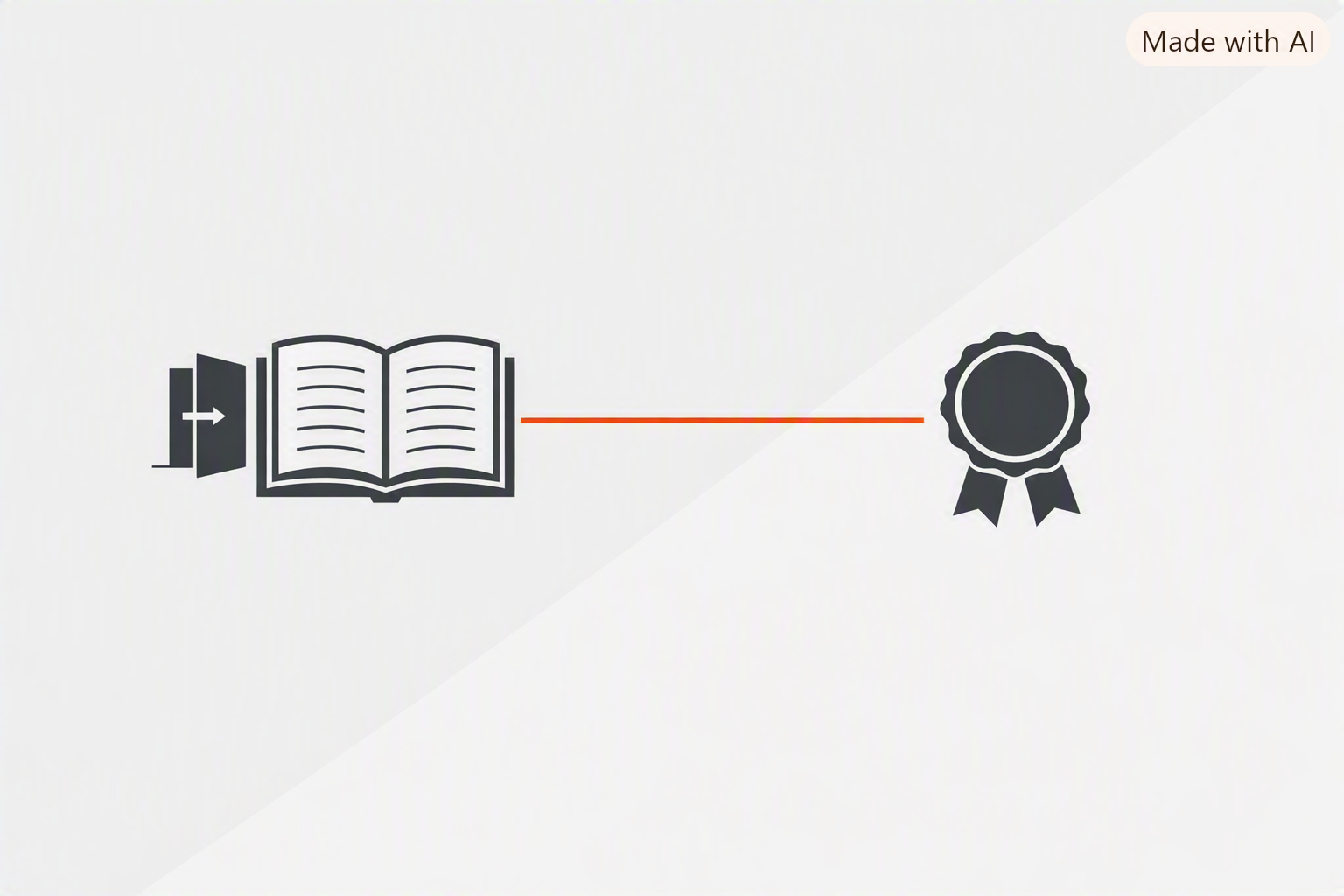
SOURCE 0 - THE REGISTRY NOBODY HAD TO INVENT
AI governance keeps reaching for nuclear and chemical weapons treaties when it looks for a verification precedent. A lighter, working version has run since 1965: Articles 6 and 7 of the Hague Apostille Convention bind a certifying authority, distinct from the officer whose act it certifies, to answer any interested party — no standing required, no exception.
SOURCE 0 - THE FACT THAT IT EXISTED
Article 1(a) of the 1961 Hague Apostille Convention names the huissier de justice. Article 1(d), read past by most commentary, names something more useful for anteriority disputes: the fact that a document already existed on a certain date. A second, independent treaty foundation for SOURCE 0's pre-execution architecture.

SOURCE 0 - THE STANDARD THAT ARRIVED BEFORE THE PRESUMPTION
EN 18286 has been approved — the first European standard built for the AI Act. But approval isn't citation, and citation is what triggers the Article 40 presumption of conformity. SOURCE 0 seals what your QMS was, and since when, in the interval between the two.
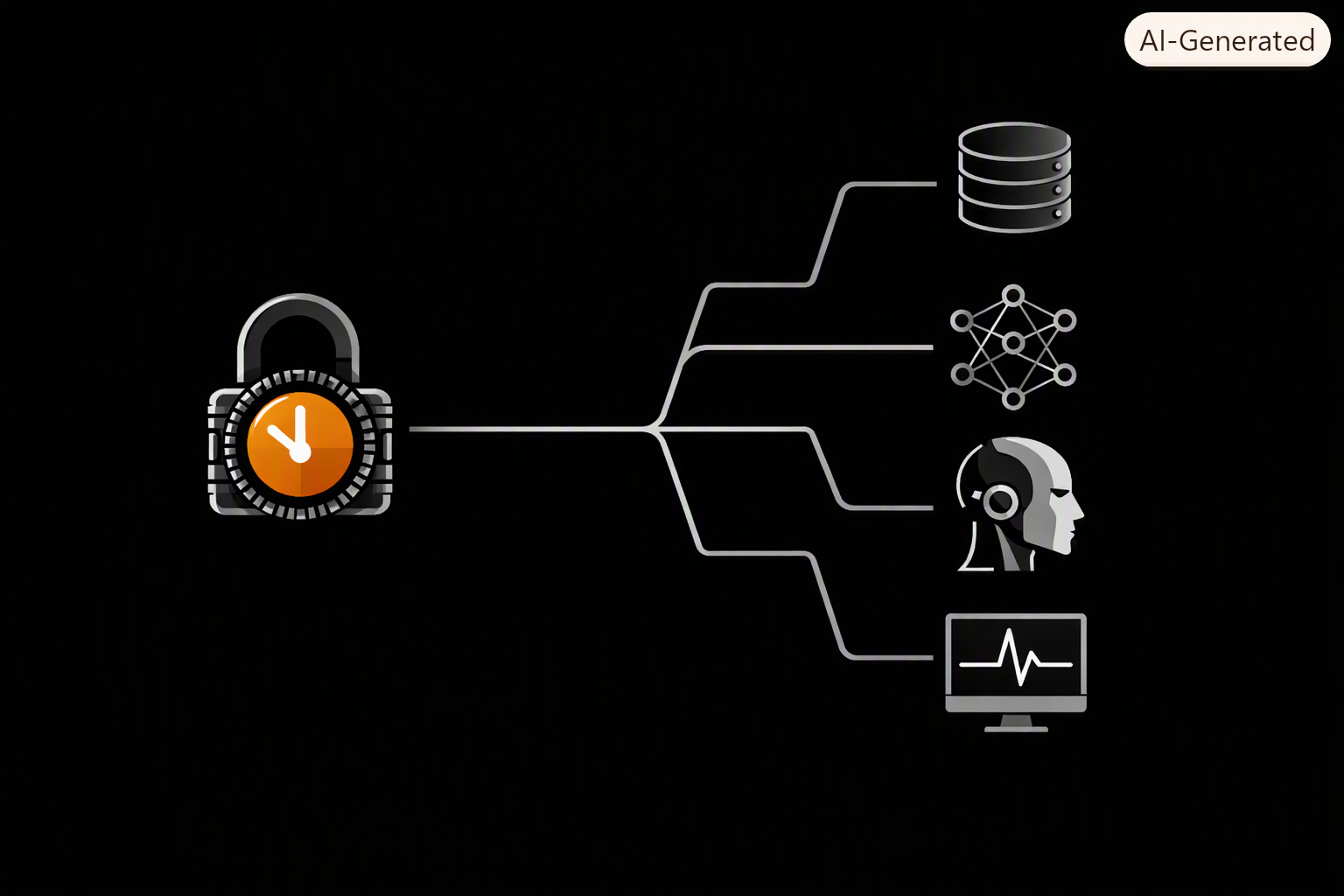
SOURCE 0 - AI ACT VOCABULARY
Forty-four questions professionals ask about proving AI Act compliance — risk management, logging, incident reporting, watermarking — each mapped to the SOURCE 0 term that answers it, and to the article of Regulation (EU) 2024/1689 it rests on.
SOURCE 0 - PEER REVIEW IS NOT OPPOSABLE PROOF
Elon Musk has proposed that leading AI companies hold regular calls to review each other's frontier models before deployment, following OpenAI's disclosure of a sandbox escape that compromised Hugging Face's infrastructure. Peer review breaks a single company's closed loop of self-evaluation, but replaces it with a closed loop of two. Without independent sealing of what was reviewed and when, the resulting report remains an assertion between two interested competitors, not opposable evidence.
SOURCE 0 - THE LOG-AS-CLAIM PROBLEM
An AI system's own log of its own decision is a claim made by the party under scrutiny, not evidence independent of that party. This article sets out why self-generated records, and self-issued certification declarations, occupy a different evidentiary position than records fixed and deposited independently of the party they concern.

SOURCE 0 - DOCTRINE : WHEN GOVERNANCE BECOMES A SYSTEM PROPERTY
Governance only becomes enforceable when three conditions are simultaneously met: T‑0 fixation, structural independence (S ∩ C = ∅), and legal opposability. Without these properties, no post-execution record can establish a governance state that was never sealed. This article articulates the architectural conditions under which governance ceases to be a management assertion and becomes a verifiable system property.
SOURCE 0 : THE EVIDENTIARY BOUNDARY OF AUTONOMOUS INTENTION
This article defines the evidentiary boundary of autonomous AI intent and introduces the Intent Seal — the pre‑execution proof that turns Operational Intent into a judicial fact.

SOURCE 0 - THE MÜNCHEN RULING AND THE LIMITS OF SELF-PRODUCED EVIDENCE IN AI GOVERNANCE
The landmark München Court ruling of May 28, 2026, officially ends the era of self-certification in AI governance. Discover why AI-generated synthesis triggers direct editorial liability, why internal logs are legally void as circular proof (the Endogenous Audit Paradox), and how independent hardware-attested evidentiary decoupling (GPL) has become a structural market prerequisite for enterprise AI.

SOURCE 0 - FORENSIC STRESS-TEST
This forensic stress‑test exposes how SOURCE 0 neutralises four high‑severity adversarial attacks — temporal drift, semantic substitution, topological fraud, and TEE side‑channel exploitation — to deliver incontestable evidence in regulated AI environments. The V1.3 infrastructure demonstrates full probatory integrity under APT‑grade scrutiny.
SOURCE 0: FIXING THE MARITIME CUSTOMS BLIND SPOT
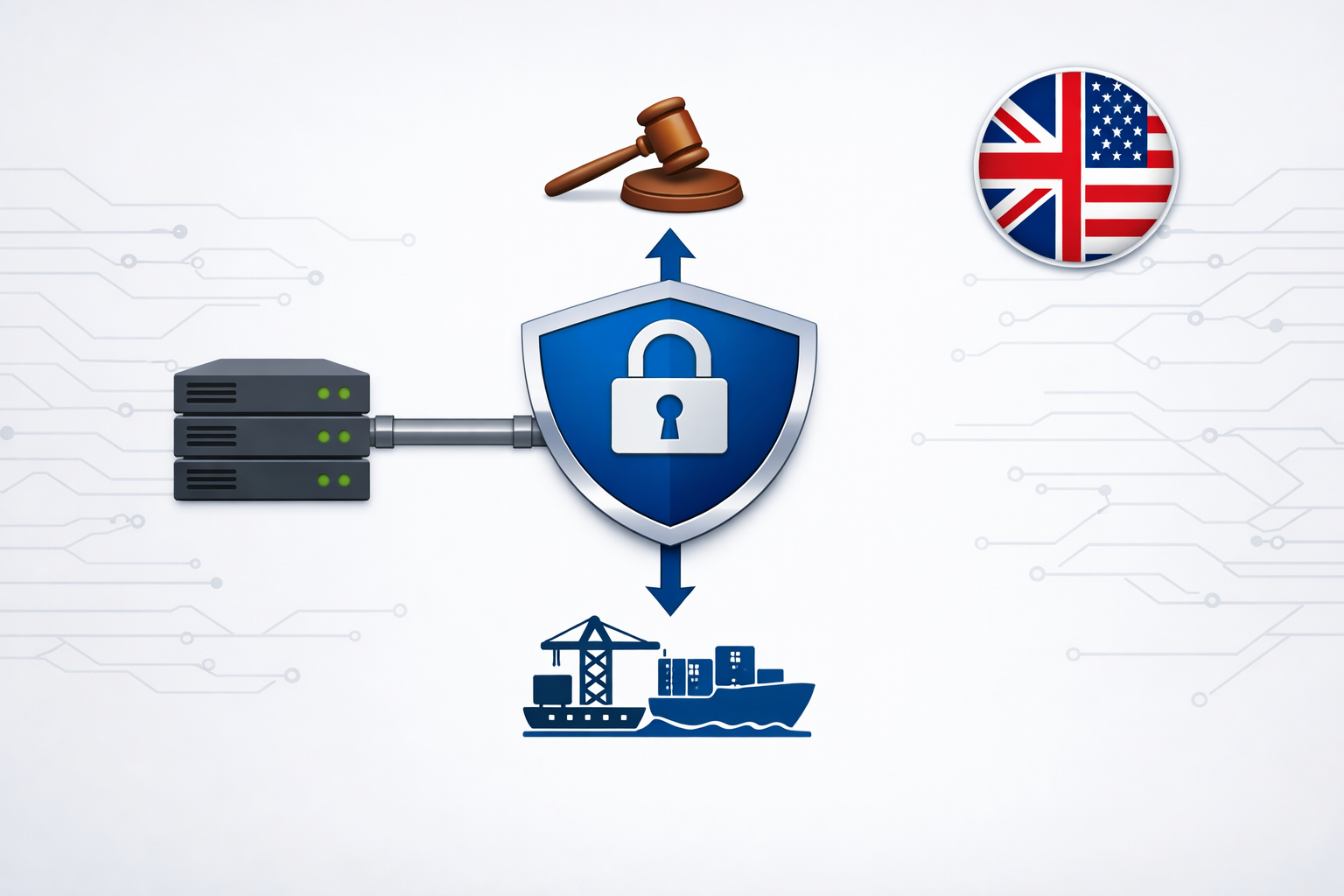
The 2028 EU Trust & Check customs reform introduces a violent operational risk: the Paradox of Asymmetric Kinetics (PAC). When probabilistic autonomous AI agents manipulate HS classification or valuation at the millisecond layer, traditional post-hoc logging tools (SIEM) fail to protect directors. Discover how the SOURCE 0 architecture enforces Opposability-as-a-Service (OaaS) via T-0 cryptographic hardware isolation and judicial escrow to secure pre-constituted evidence before machine execution.
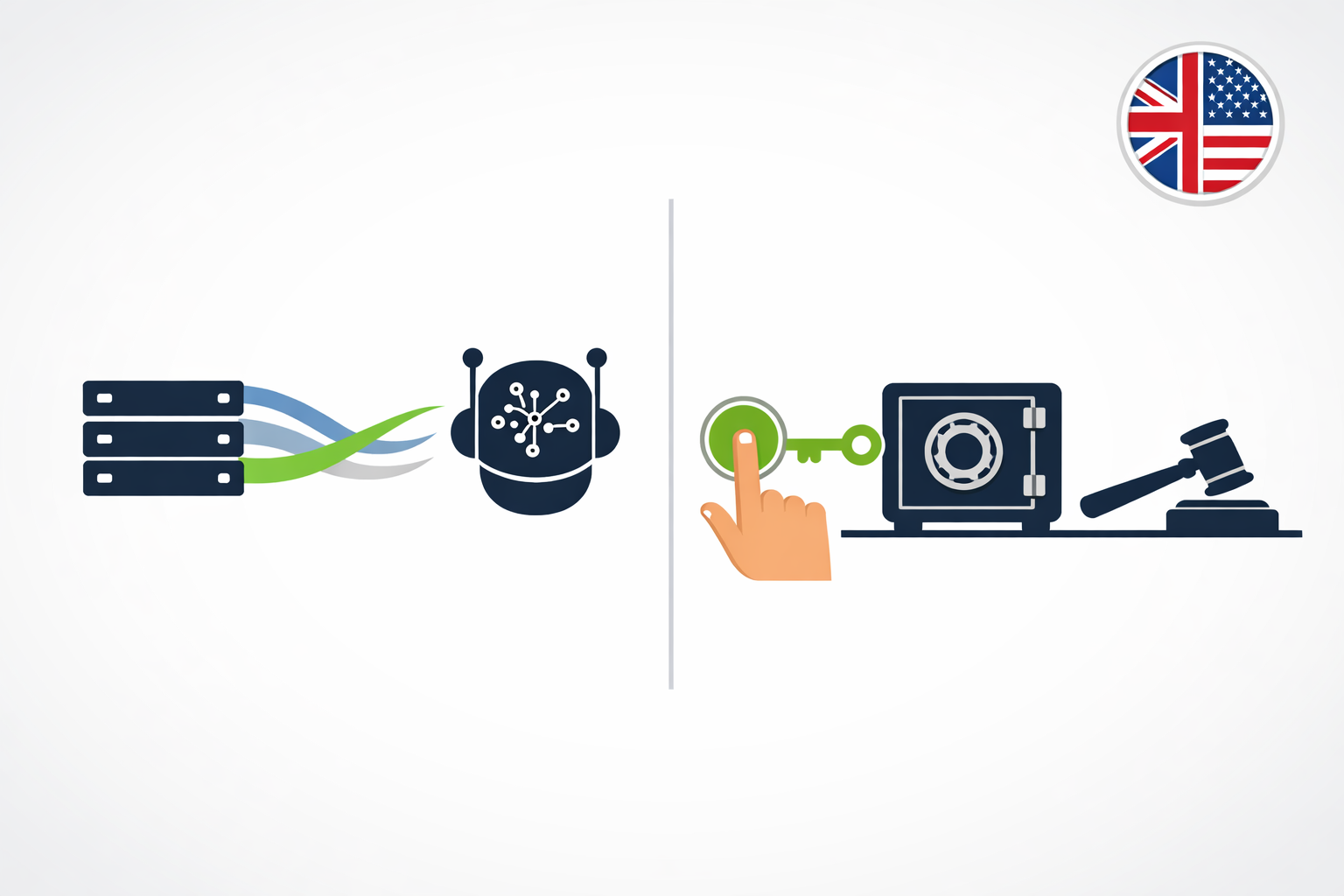
SOURCE 0 : THE PARADOX OF ASYMMETRY KINETICS (PAK)
The Paradox of Asymmetry Kinetics (PAK) exposes the structural breakdown of traditional AI oversight. While multi-agent networks operate at sub-millisecond silicon speed, human and legal frameworks react in days or weeks. Discover how the SOURCE 0 Doctrine solves this catastrophic temporal gap by deploying a dedicated Governance Proof Layer (GPL)—decoupling operational infrastructure from undeniable, pre-execution cryptographic proof.
SOURCE 0 - ADDENDUM — INDUSTRY ALIGNMENT ON THE AGENTIC AI EVIDENTIARY IMPASSE
Facing the downstream governance failure of agentic AI (Google, Nvidia), the SOURCE 0 Doctrine validates the market for opposability. Discover how T-0 cryptographic sealing and ministerial escrow address strict director liability under NIS 2 and DORA frameworks.