


SOURCE 0 - LA PREUVE QUE GOOGLE RECOMMANDE FACE À UN RÉGULATEUR DORA
Le 27 août 2026, l'Aperçu IA de Google a répondu à une question sur la preuve du délai de notification DORA en recommandant l'horodatage SIEM et la billetterie interne comme preuve infalsifiable — l'occasion de distinguer intégrité technique et indépendance probatoire.
SOURCE 0 - THE DETERMINATION THE COURTS DID NOT REACH
Across four related Kansas lawsuits against adult websites, three were dismissed for lack of personal jurisdiction and one was sent to compelled arbitration. None reached whether any system actually verified age correctly. The one dispute sharpest on the facts is now bound for a forum that produces no public record.
SOURCE 0 - THE CLASSIFIER THAT REPORTED BEFORE ANYONE CHECKED
In the $942 million New Mexico v. Meta judgment, NCMEC testimony described an internal "adult classifier" whose errors were caught only through ex post, case-by-case review by law enforcement — not through any independent record of the determination itself.

SOURCE 0 - THE DETERMINATION THAT CHANGED SYSTEMS MID-CASE
Well over one hundred federal claims against Roblox are centralized in MDL No. 3166. The age-determination mechanism the claims depend on was not the same throughout the conduct period. Discovery can compel records — it cannot retroactively convert them into the independent, contemporaneous fixation they were never built to contain.
SOURCE 0 - THE DETERMINATION THE META TRIAL CANNOT PRODUCE
The federal trial pitting 29 states against Meta, opened August 18, 2026, surfaces a structural evidentiary gap: whether an independently fixed determination record from an internal detection system exists at all. A doctrinal analysis, taking no position on the trial's outcome.
SOURCE 0 - AGE QUALIFICATION WITHOUT A CERTAIN DATE
An age-prediction system and a biometric age-verification service produce the same effect on a user account through entirely different processing. Public documentation does not establish, for either, when a compliance assessment was produced relative to deployment — nor whether an individual determination is preserved in a form a third party could later verify. This case study examines the gap under the AI Act and the GDPR, and what an independent, pre-execution seal can and cannot establish about it.

SOURCE 0 - QUALIFICATION SEAL
Any organization that determines, through an automated system, an individual's status produces a qualification whose evidentiary trace it alone retains. SOURCE 0 QUALIFICATION SEAL fixes a determined representation of that qualification, at a timestamped instant, independently of the system that produced it — without ruling on its accuracy, effective application, or lawfulness. First documented use case: age determination.
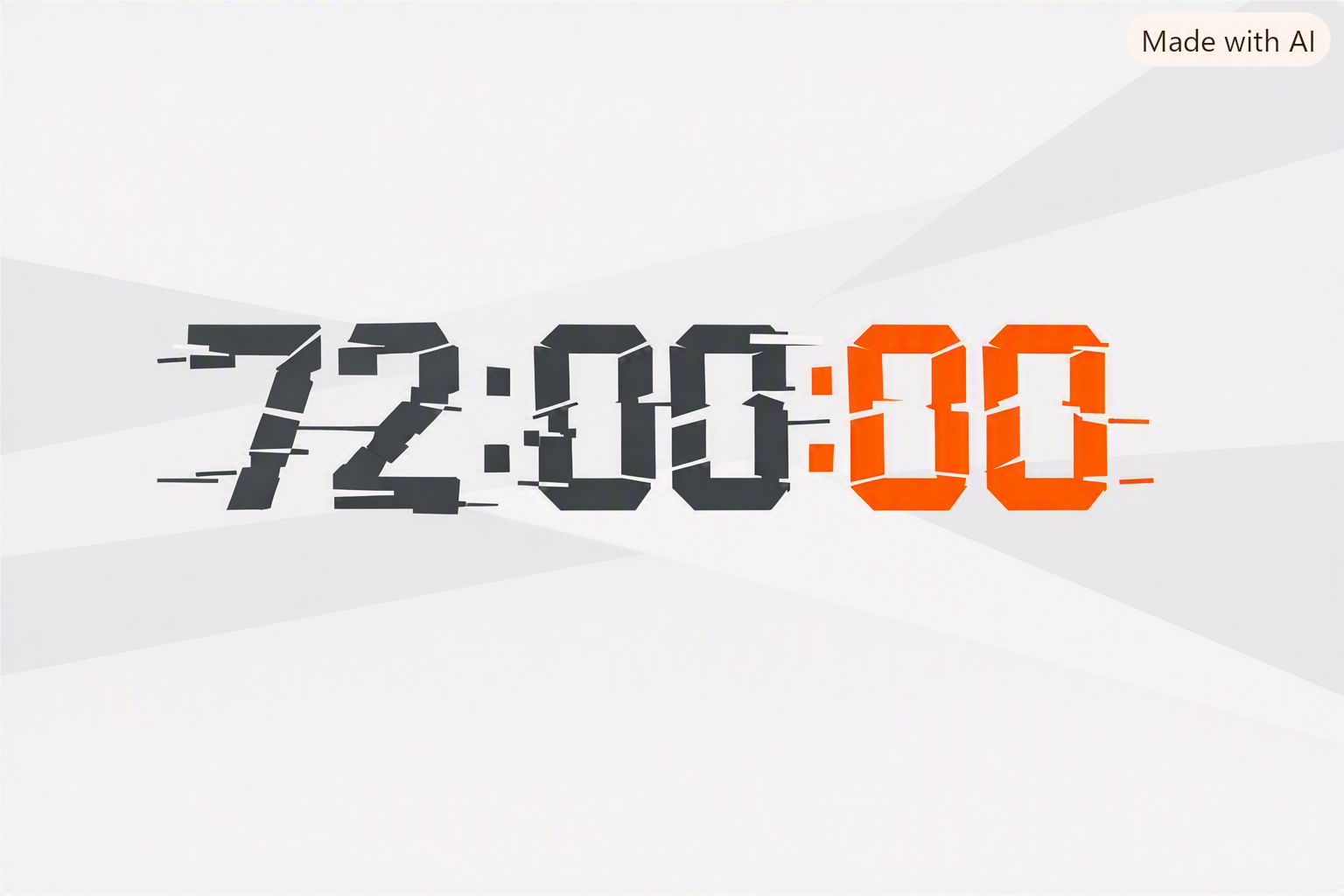
SOURCE 0 - THE 72 HOURS THAT START WHEN THE COMPANY SAYS SO
A supervisory authority fined Booking.com €475,000 in 2021 after applying an earlier awareness date than the one the company itself claimed. The same signals, read two ways, decided the case.

SOURCE 0 - THE OPT-OUT THAT ONLY COVERS THE FUTURE
A self-declared toggle proves neither what it covers, nor since when it was activated. SOURCE 0 seals the state of a consent choice at T-0, independently of the platform that records it.
SOURCE 0 - THE CHECK THAT LEFT NO RECORD
Georgia's Supreme Court sanctioned a prosecutor for fabricated AI citations and vacated a trial court order tainted by the same errors — then made clear a policy against it isn't proof it was followed. SOURCE 0 examines the gap.

SOURCE 0 - THE UNDECLARED COMPONENT
Undisclosed communication modules found in Chinese-made solar inverters expose a structural gap in NIS 2 Article 21 supply chain security: entities take supplier declarations into account, but nothing fixes what was declared before the component is deployed. SOURCE 0 seals that declaration at the point of procurement.
SOURCE 0 - THE PANELIST WHO WAS NEVER THERE EVALUATES THE EVALUATOR
Synthetic-persona providers label a minority of their population "human-grounded" to distinguish it from algorithmically sampled records. That label confirms a record traces to a real panellist's account — not that the person who supplied the answers matches the account's demographic profile. The market research industry already documents this failure as participant misrepresentation. Where the mismatched respondent is a minor, GDPR Article 8's parental-consent verification duty becomes unreachable by design.
SOURCE 0 - THE EVALUATOR THAT EVALUATES THE EVALUATOR
Providers of general-purpose AI models with systemic risk must document adversarial testing and any involvement of independent external evaluators under Article 55 of the AI Act. Population-scale synthetic-persona simulation infrastructure is a plausible candidate for that role — external to the model provider, but not independent of itself when its own population and validation figures are self-reported. No such case has been identified; this article examines the structural gap that would arise if one did.
SOURCE 0 - THE CERTIFICATE THAT CERTIFIES ITSELF
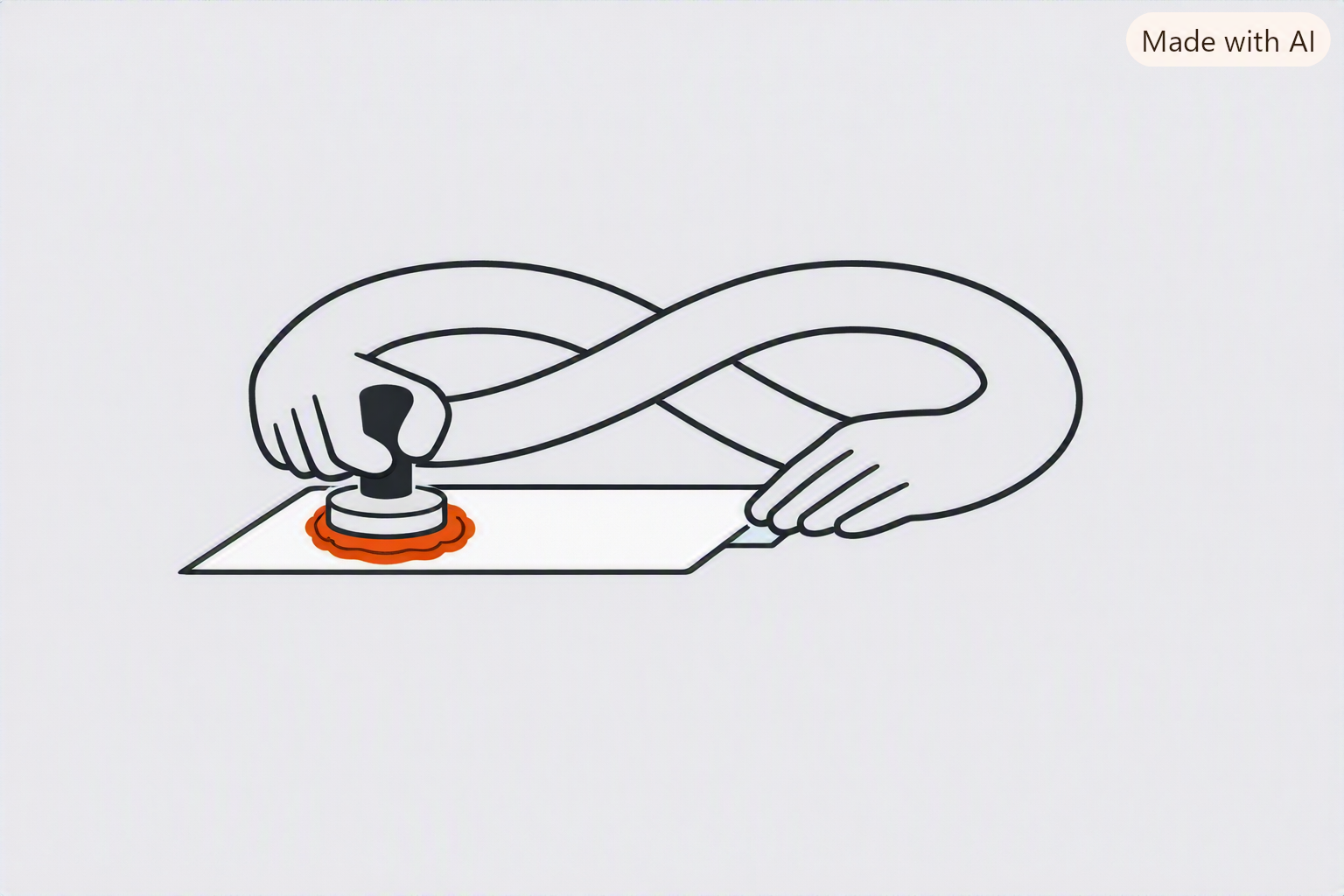
A market has formed around cryptographic certification of synthetic datasets — SHA-256 fingerprints, Ed25519 signatures, publicly verifiable registries. The better providers state plainly what this proves: integrity and authenticity of the certificate, not generation quality. That honesty does not close the gap that matters under Article 10 of the AI Act, especially where the same platform both generates the data and signs its own certificate.

SOURCE 0 - THE TEST THAT TESTED ITSELF
Synthetic-respondent platforms now screen advertising claims before launch, reporting their own alignment rates against real consumers. EU and UK advertising law already require that the evidence behind a claim be adequate and independently defensible. A validation figure produced solely by the party selling the testing infrastructure does not meet that standard — it is the claim requiring substantiation, offered as its own substantiation.
SOURCE 0 - THE SAMPLE THAT WAS NEVER DRAWN
An AI evaluation infrastructure built on billions of synthetic persona records reports a high adherence rate — proof the model can play an assigned role. Article 10 of the AI Act asks whether the declared population is representative of real users, and who, independent of the producer, can confirm it. This article examines the gap between the two.
SOURCE 0 - THE NEXT ITSME IS A PROOF LAYER, NOT AN APP
Geert Van Mol's call for sector-wide ambition on phishing echoes what itsme achieved for authentication. SOURCE 0 examines the layer itsme was never built to cover — proving what was actually instructed, not just who was logged in.

SOURCE 0 - THE MONITOR THE COURT DECLINED TO APPOINT
A New Mexico court reasoned its way to leaving Meta's compliance self-reported — a deliberate choice, not an oversight. This article examines the evidentiary structure that leaves in place.

SOURCE 0 - THE AUDIT TRAIL THAT REPLACED THE SEAL
WORM storage made a record impossible to alter once written. In 2022, the SEC added an alternative that lets a firm's own system log the alterations instead — and verify itself.
SOURCE 0 - THE CERTIFICATION THAT NEVER REACHES THE RECORD
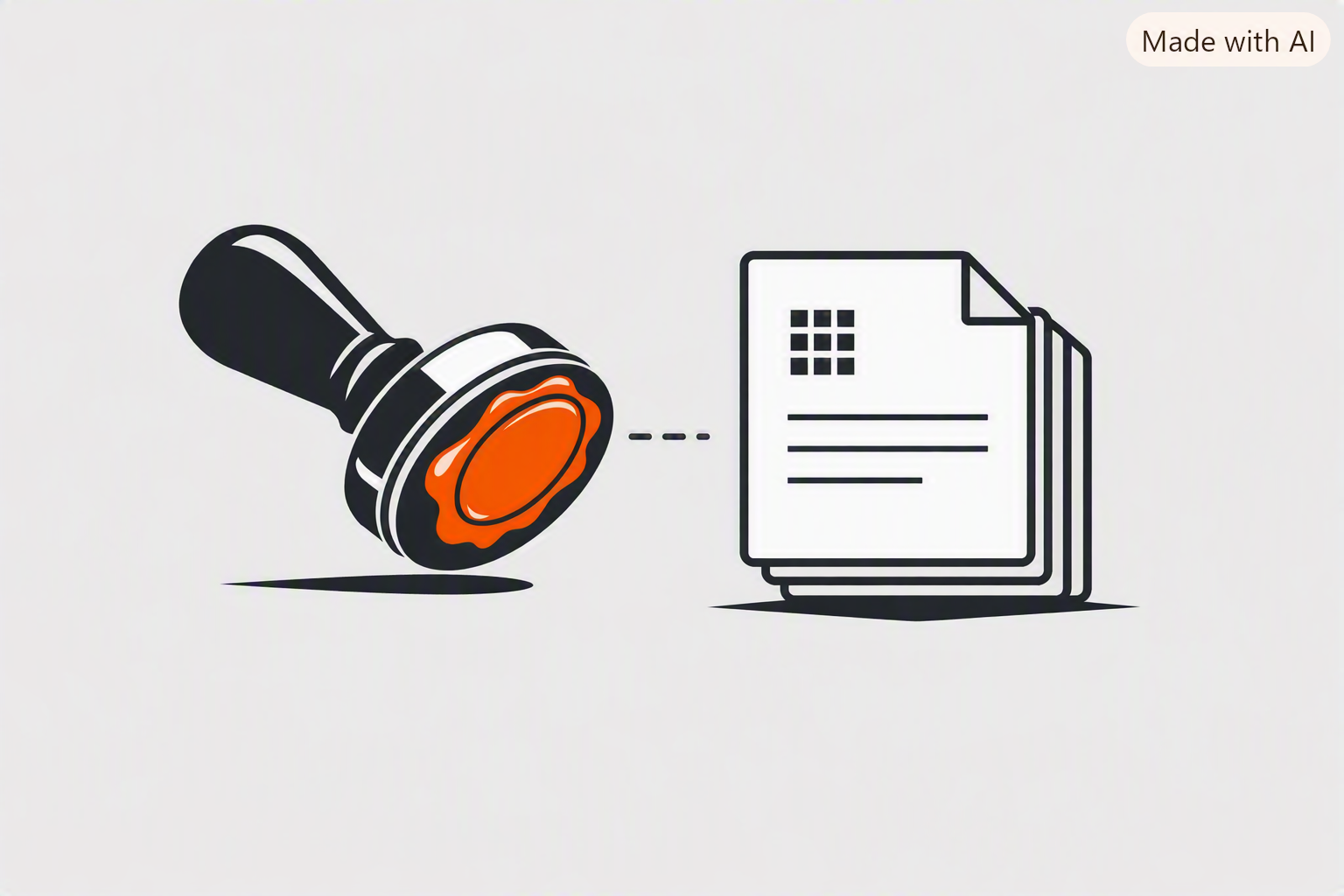
Federal Rule of Evidence 902(13) and 902(14) remove the need for a foundation witness. They do not remove the question of who is making the underlying assertion, or when it was made.