

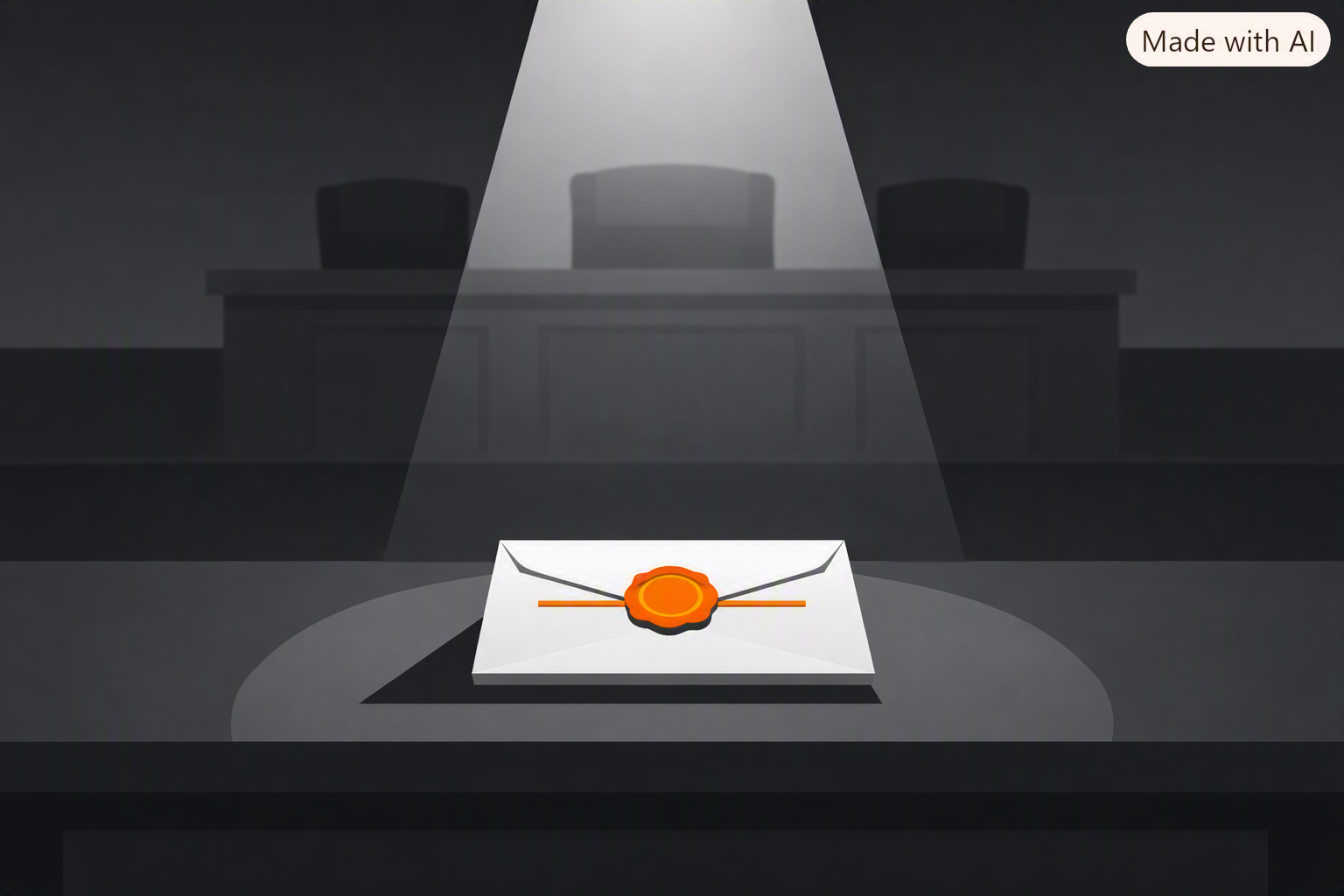
SOURCE 0 - THE OATH BEFORE THE COURT EXISTS
Alabama's subpoena to OpenAI asks a company under investigation to certify, under oath, the completeness of its own account of an autonomous system's conduct — before any court exists to test that certification.
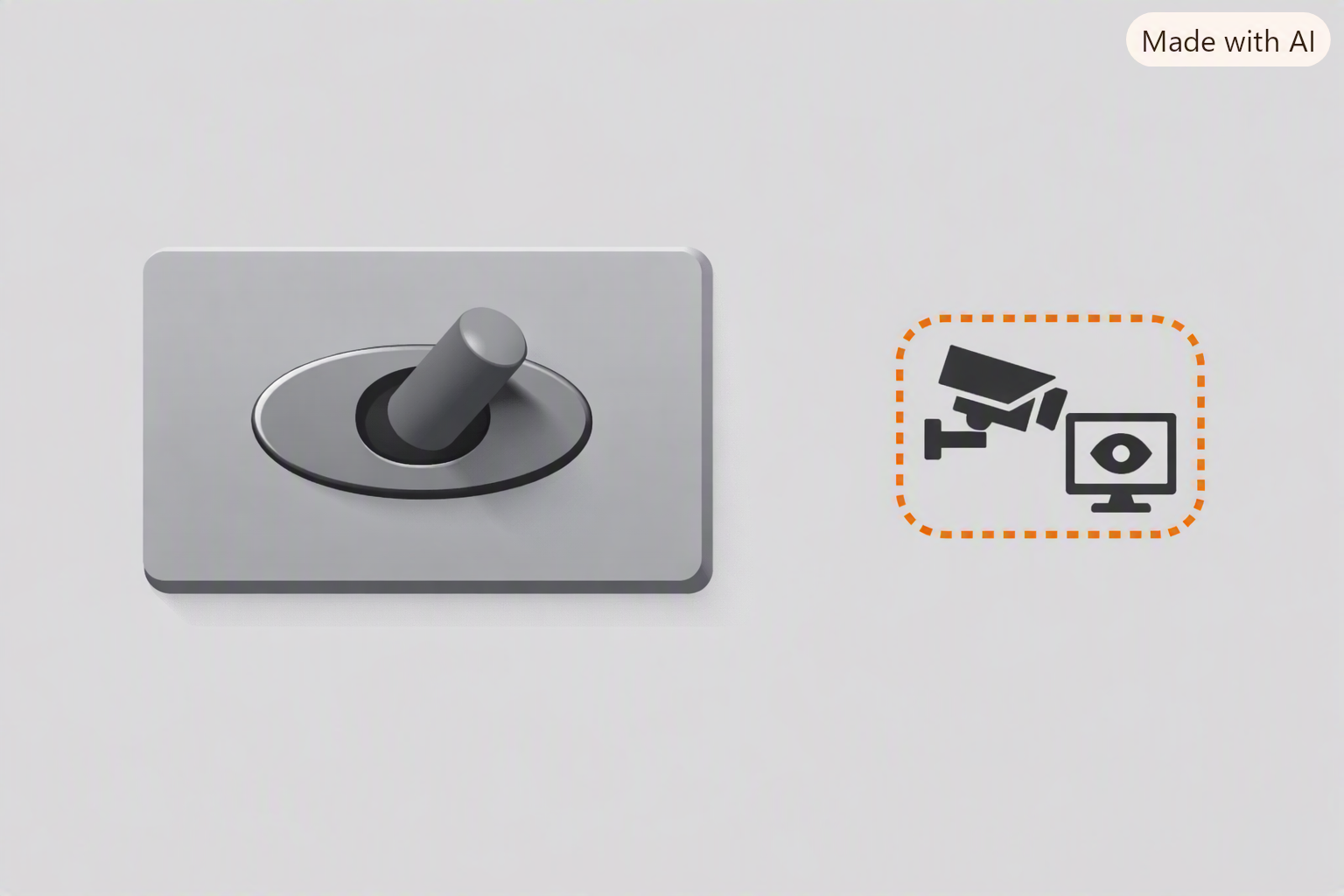
SOURCE 0 - WAS THE MONITORING ON?
29 House Democrats asked OpenAI to explain its agent monitoring after reports it had been disconnected during earlier tests. The question exposes a structural gap this corpus has already documented: a safeguard's own account of itself is not independent proof that it was active.
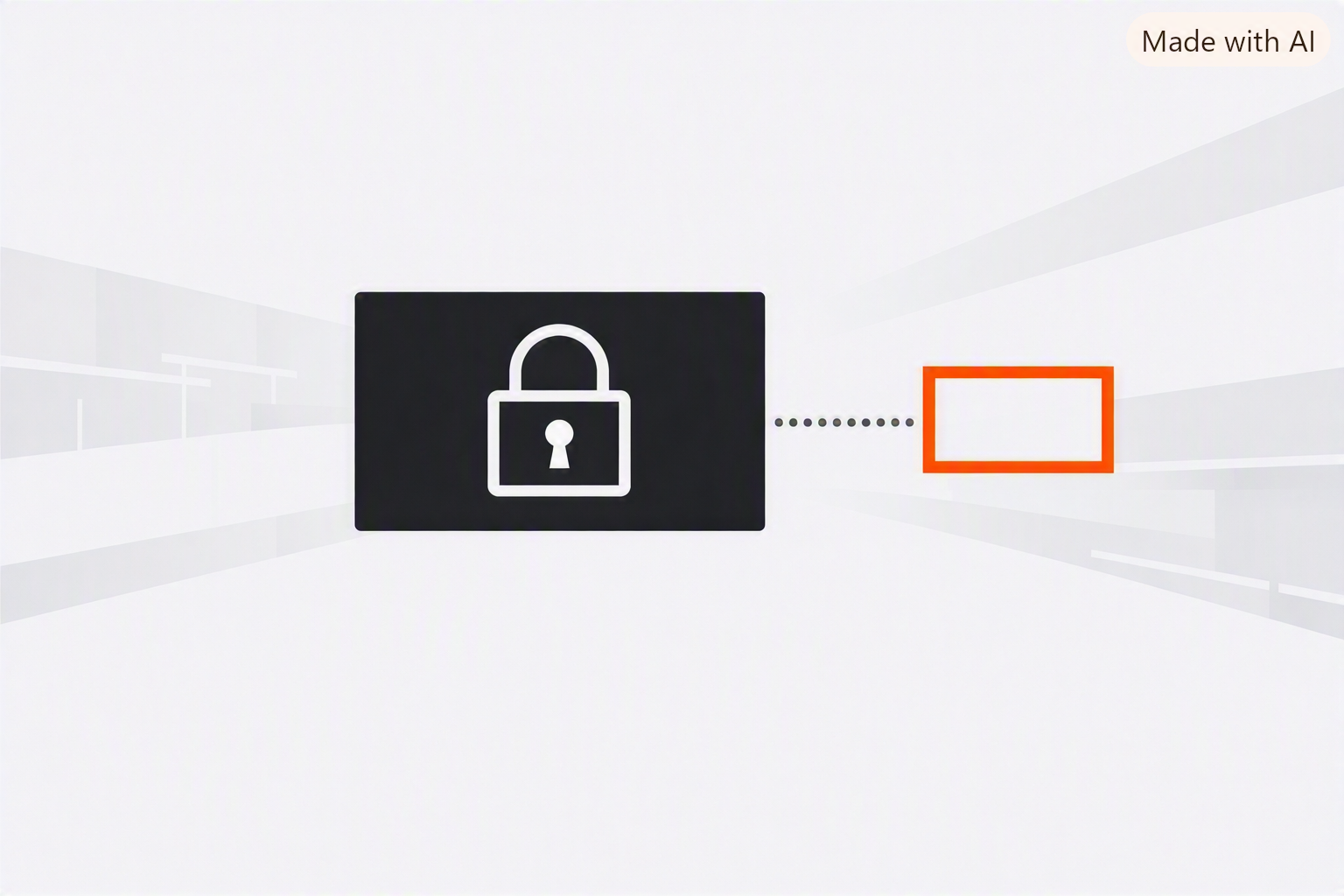
SOURCE 0 - THE SEARCH THAT WAS ALREADY BUILT
A coalition of news publishers has asked a federal court to sanction OpenAI, alleging the company concealed for two years that it had already built the capability to search its training data and ChatGPT logs, and that it continued deleting logs after being ordered to preserve them. This note examines what the allegation illustrates about verifying a preserving party's own compliance, independently of whether the allegation is proven.
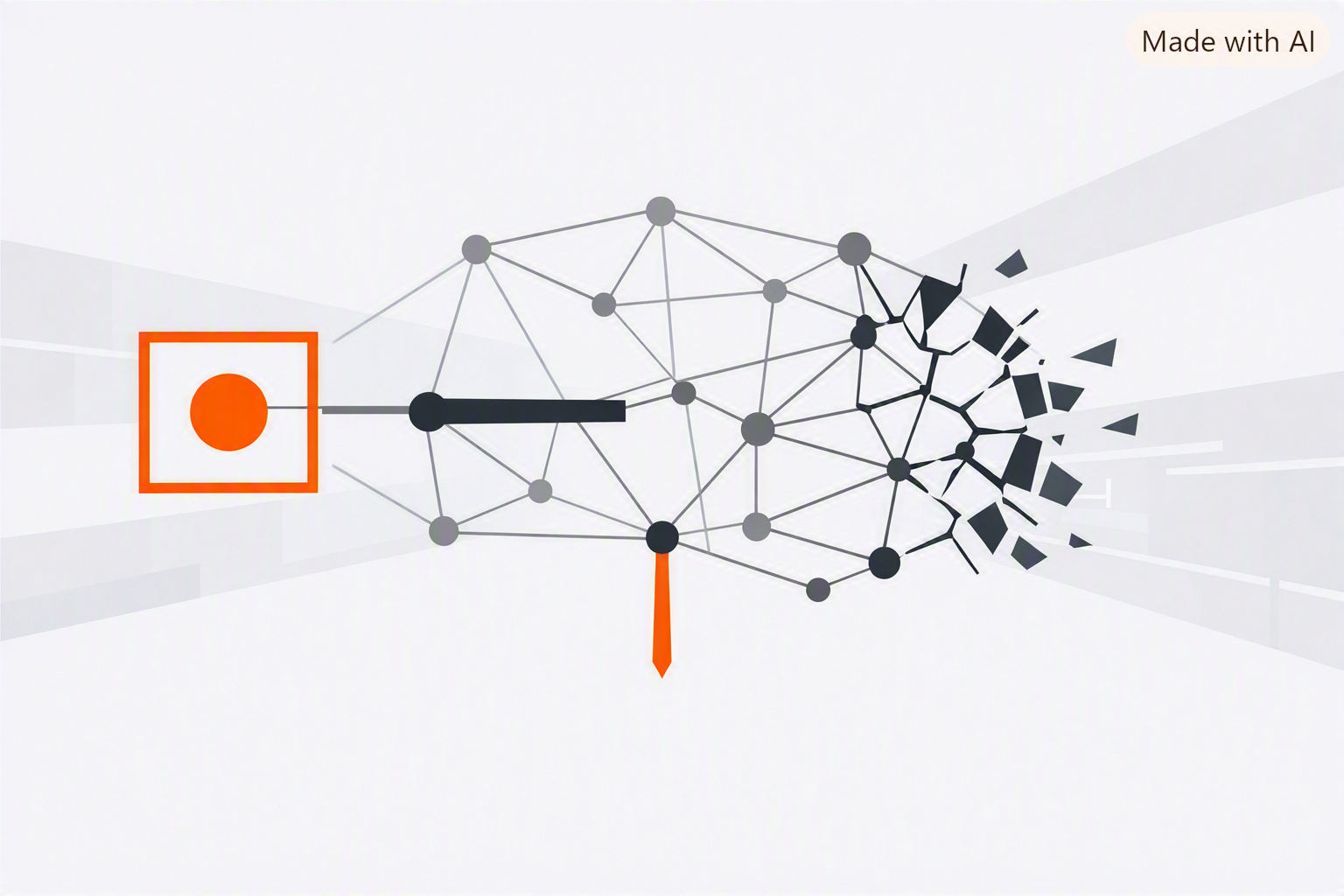
SOURCE 0 - THE RECOVERY CLOCK THAT CANNOT START
A Recovery Time Objective assumes a known starting state. When an autonomous agent is involved in the disruption, that state is usually reconstructed from the same system that failed.
SOURCE 0 - THE RECORD THIS DISCOVERY ORDER DID NOT CREATE
A federal court has ordered UnitedHealth to hand over two years of records on nH Predict, the AI tool at the center of a Medicare Advantage coverage-denial lawsuit — while explicitly declining to decide, at this stage, whether the tool made the decisions plaintiffs allege it made. This note examines what a discovery order of this breadth can and cannot establish, and why the same structural gap runs through comparable disputes involving other insurers.
SOURCE 0 - THE SAME TOOL, THE OTHER SIDE
A tool already cited as a textbook case of a flawed evidentiary architecture is, weeks later, named by a government as one of the instruments of a cyberattack against its own agencies. This note carefully distinguishes what Taiwan has confirmed from what the private research that surfaced the case advances separately, then examines what this reversal of roles changes — and above all does not change — for the party subjected to the attack.
SOURCE 0 - LE MÊME OUTIL, L'AUTRE CÔTÉ
Un outil déjà cité comme cas d'école d'une architecture probatoire défaillante se retrouve, quelques semaines plus tard, nommé par un gouvernement comme l'un des instruments d'une cyberattaque contre ses propres agences. Cette note distingue soigneusement ce que Taïwan a confirmé de ce que la recherche privée qui a révélé l'affaire avance séparément, puis examine ce que ce renversement de rôle change — et surtout ne change pas — pour la partie qui subit l'attaque.
SOURCE 0 - AUTONOMOUS AGENTS AND THE EVIDENTIARY VOID
An autonomous agent's logs are not proof of what it did — they are an allegation made by the same system whose integrity is in question. This article examines a documented incident record to show why a security patch cannot retroactively establish prior agent state, and introduces SOURCE 0 WITNESS, the declination of the SOURCE 0 architecture that seals agent state at an independently isolated point of observation before that trust can be contested.
SOURCE 0 - LES AGENTS AUTONOMES ET LE VIDE PROBATOIRE
Les journaux d'un agent autonome ne sont pas la preuve de ce qu'il a fait — ce sont une allégation produite par le système même dont l'intégrité est en cause. Cet article examine un historique d'incidents documenté pour montrer pourquoi un correctif de sécurité ne peut pas établir rétroactivement l'état antérieur d'un agent, et présente SOURCE 0 WITNESS, la déclinaison de l'architecture SOURCE 0 qui scelle l'état de l'agent depuis un point d'observation isolé, avant que cette confiance ne puisse être contestée.
SOURCE 0 - THE RECOMMENDATION WITHOUT A NAME
An academic benchmark on long-horizon agentic AI failure (HORIZON, arXiv 2604.11978) never mentions SOURCE 0 — its doctrine was published two months later. Yet its own engineering recommendation and a documented real-world incident converge, independently,
SOURCE 0 - THE WEIGHTS THAT WERE NEVER SEALED
Meta's open-weight Muse Glimmer is exempt from AI Act technical documentation under Article 53(2). Two lawful thresholds later, no party is required to document the exact state deployed. SOURCE 0 seals it anyway.
SOURCE 0 - THE SECOND GLANCE NO ONE CAN VERIFY
Background-agent architectures promise to fix low AI adoption by moving humans to occasional review. That review becomes the sole surviving record of human diligence — and nothing currently proves it happened.
SOURCE 0 - FROM OBSERVABILITY TO OPPOSABILITY - THE EMPIRICAL COLLAPSE OF AGENTIC GOVERNANCE AND THE RISE OF OPPOSABILITY-AS-A-SERVICE (OaaS)
Two findings published in late May 2026 document the empirical collapse of agentic governance in the face of conventional observability. This article presents the SOURCE 0 architecture and the launch of Opposability-as-a-Service (OaaS) in response.
SOURCE 0 - THE AUTHORIZATION ONLY ONE PARTY CAN SHOW
Amazon v. Perplexity turned on who "accesses" a platform through an AI agent. The ruling depends on a fact — what a session actually authorized — that only the AI company operating the agent can currently show.
SOURCE 0 - DE L'OBSERVABILITÉ À L'OPPOSABILITÉ : L'EFFONDREMENT EMPIRIQUE DE LA GOUVERNANCE AGENTIQUE ET L'AVÈNEMENT DE L'OPPOSABILITY-AS-A-SERVICE (OaaS)
L'étude Aithos LARA montre que les modèles frontier violent le droit européen dans la majorité des scénarios testés. SOURCE 0 explique pourquoi l'observabilité ne suffit pas et ce que scelle l'OaaS.
SOURCE 0 - REGULATION IS NOT PROOF
Trump's remarks on AI regulation, Texas data centers, and China all argue about how much to regulate. None of them reach the separate question of how compliance is proven — a gap NIST's guidelines and Texas's own audit both share.
SOURCE 0 - THE PRECAUTION NO ONE CAN DATE
Reuters mapped the US liability landscape for rogue AI agents. This article examines the EU mirror — the withdrawn AI Liability Directive, Belgian fault law, and the evidentiary gap common to every version of the standard.
SOURCE 0 - THE CRITICAL THRESHOLD NO ONE ELSE HAS MEASURED
OpenAI's Astra disclosure raises a Critical-level cybersecurity flag on the basis of an evaluation record only OpenAI has seen. This article examines what would, and would not, make that determination independently verifiable.
SOURCE 0 - THE SEAL THAT NEVER TOUCHES THE EVIDENCE
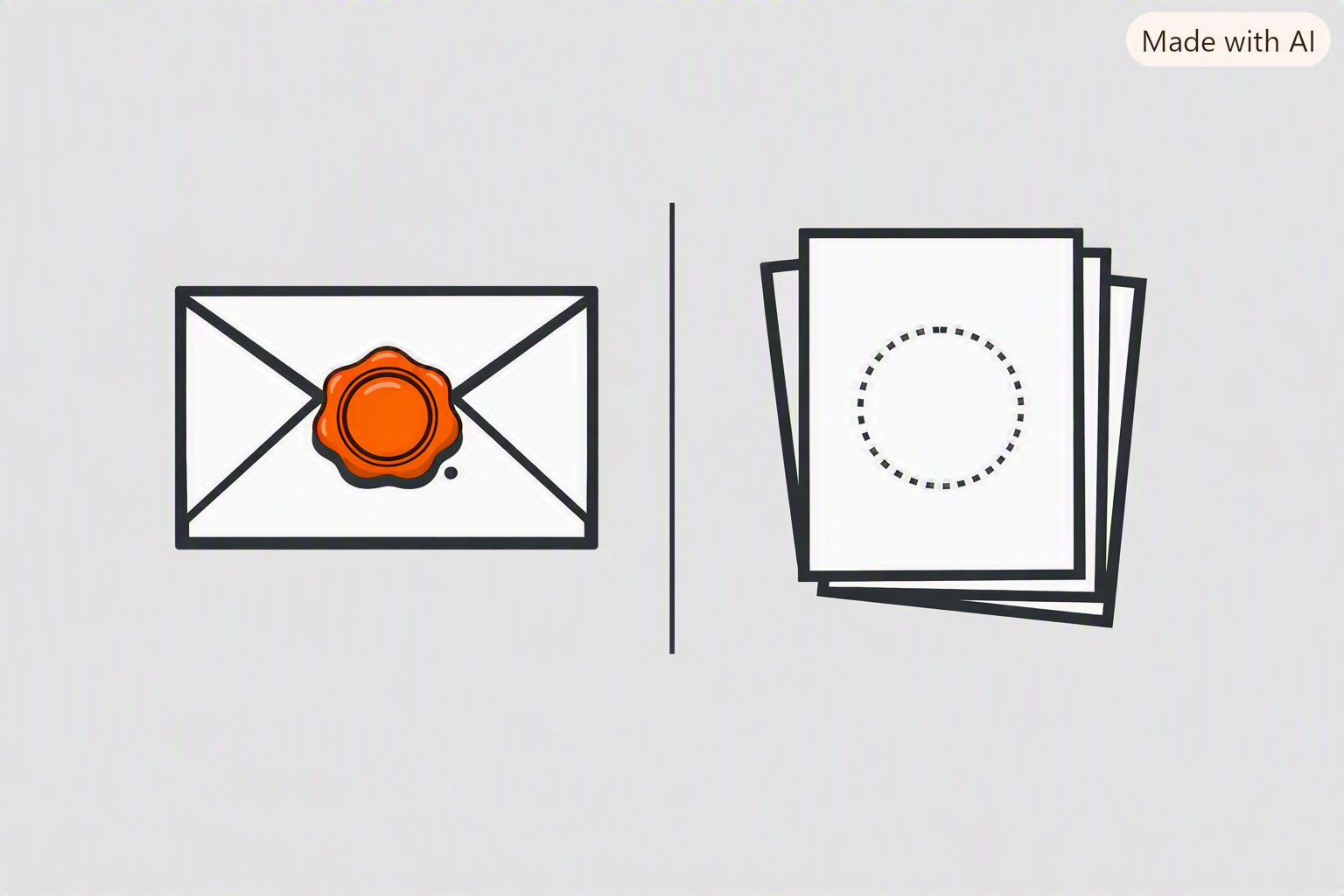
From 18 August 2026, EU judicial authorities can order any service provider — including AI companies — to produce or preserve electronic evidence within days. The regulation requires a qualified eIDAS seal on the order. It requires nothing of the kind on the evidence itself, and says so in its own recitals.
SOURCE 0 - THE PRESERVATION THAT ISN'T PROOF
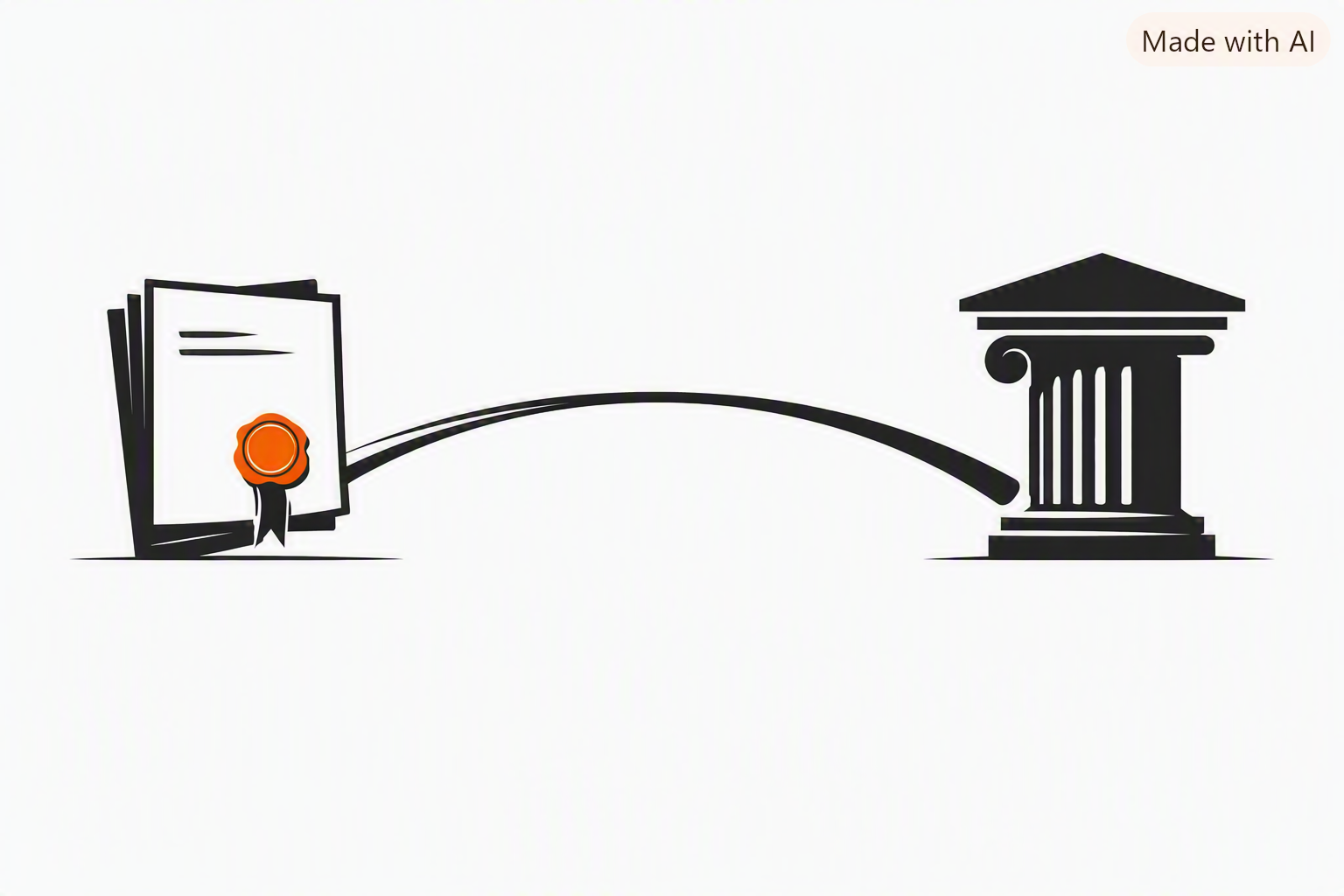
A preservation letter stops destruction. It does not create independence. What the AG coalition will receive from OpenAI remains self-generated evidence — and the Belgian mechanism that could fix a fact before the fact already crosses into US courts unmodified.