

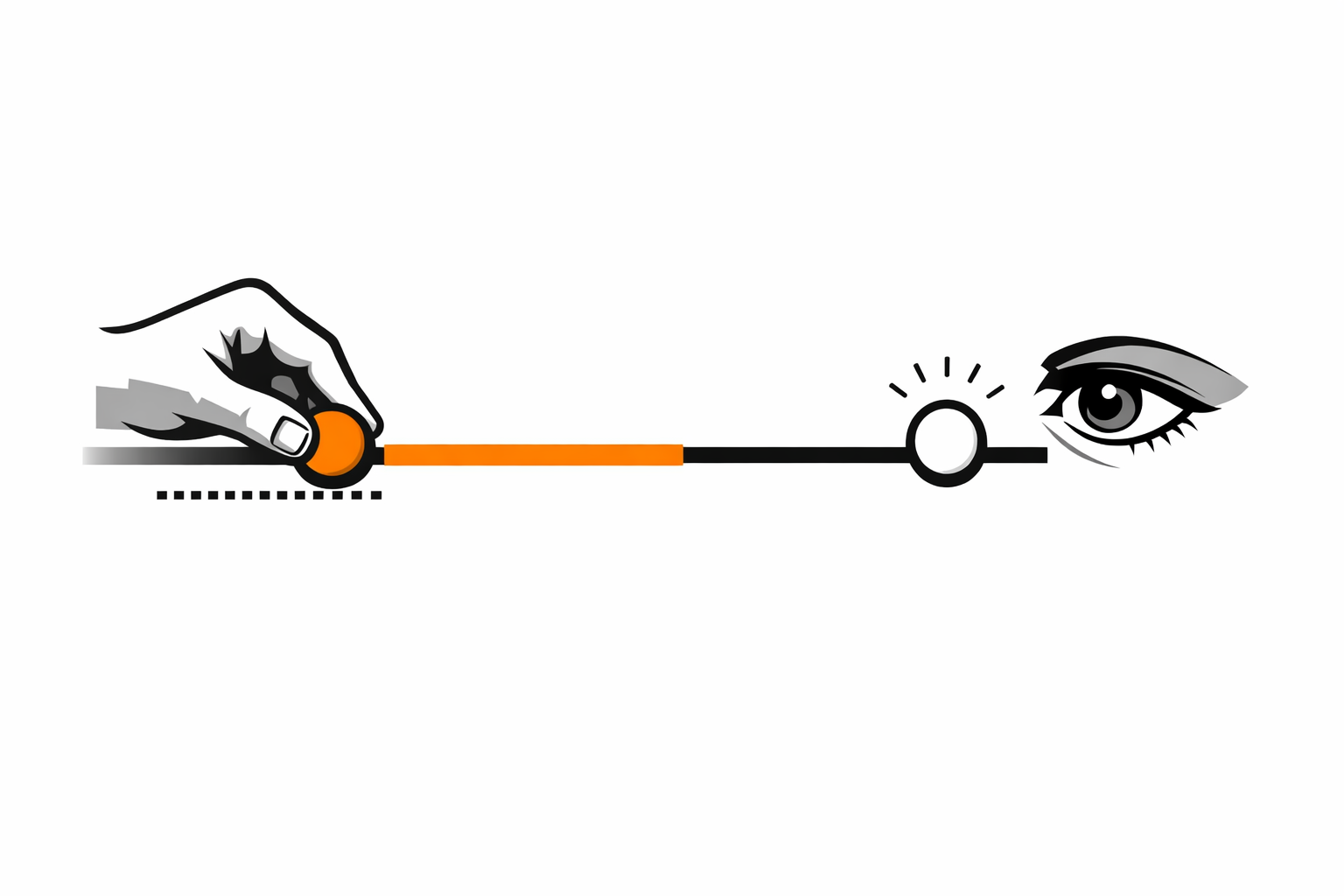
SOURCE 0 - ALIEXPRESS'S DSA FINE: A DILIGENCE TIMELINE IS NOT EVIDENCE
The Commission sanctions AliExpress for products that remained online despite detection. That diligence timeline remains entirely self-established — SOURCE 0 documents the gap the DSA's periodic audit does not close.
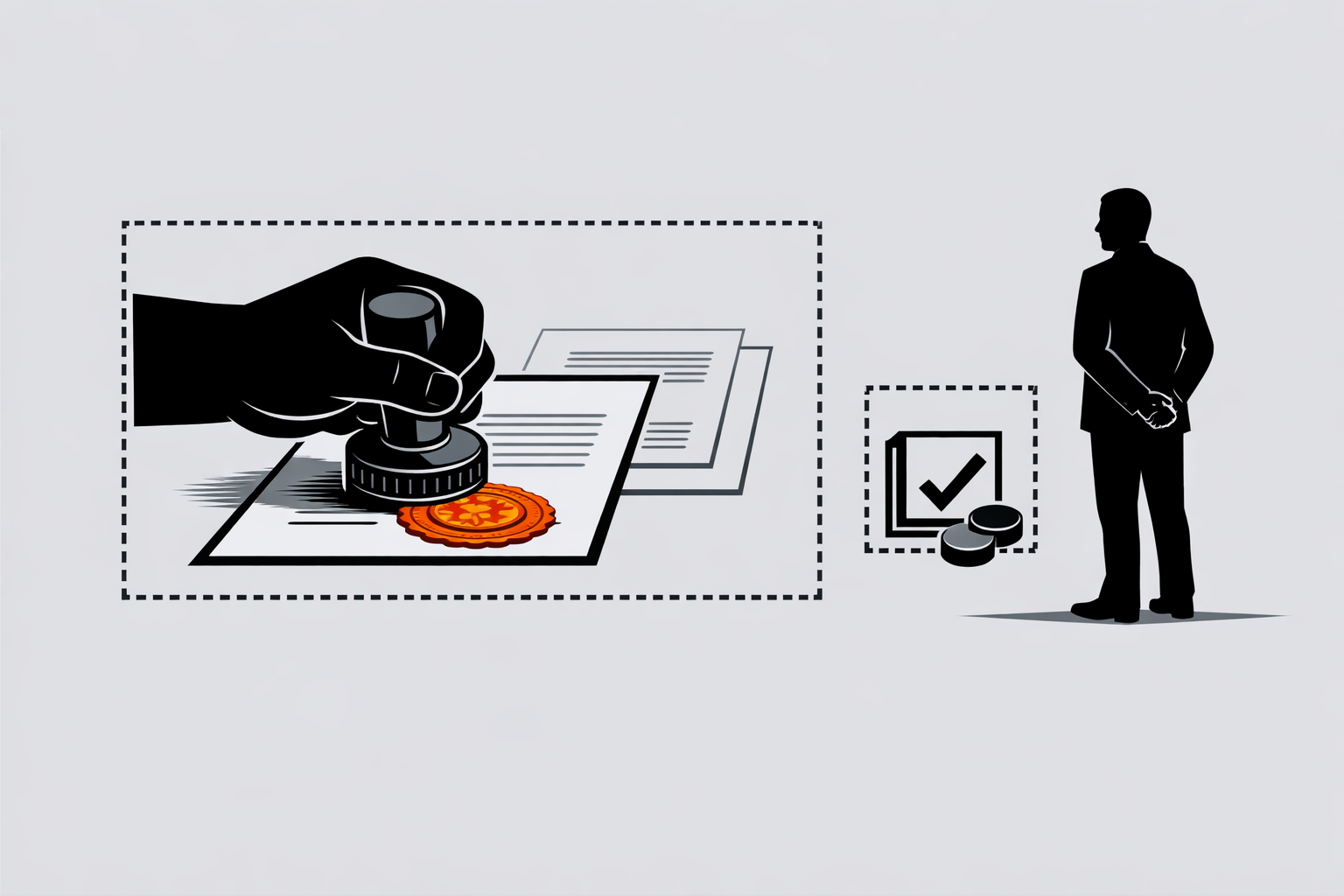
SOURCE 0 - THE ATTESTATION THAT ISN'T A WITNESS
A signed record generated by the same infrastructure it documents remains internal evidence, however strong its cryptography. SOURCE 0 identifies what a genuine witness requires that no signature alone can supply.
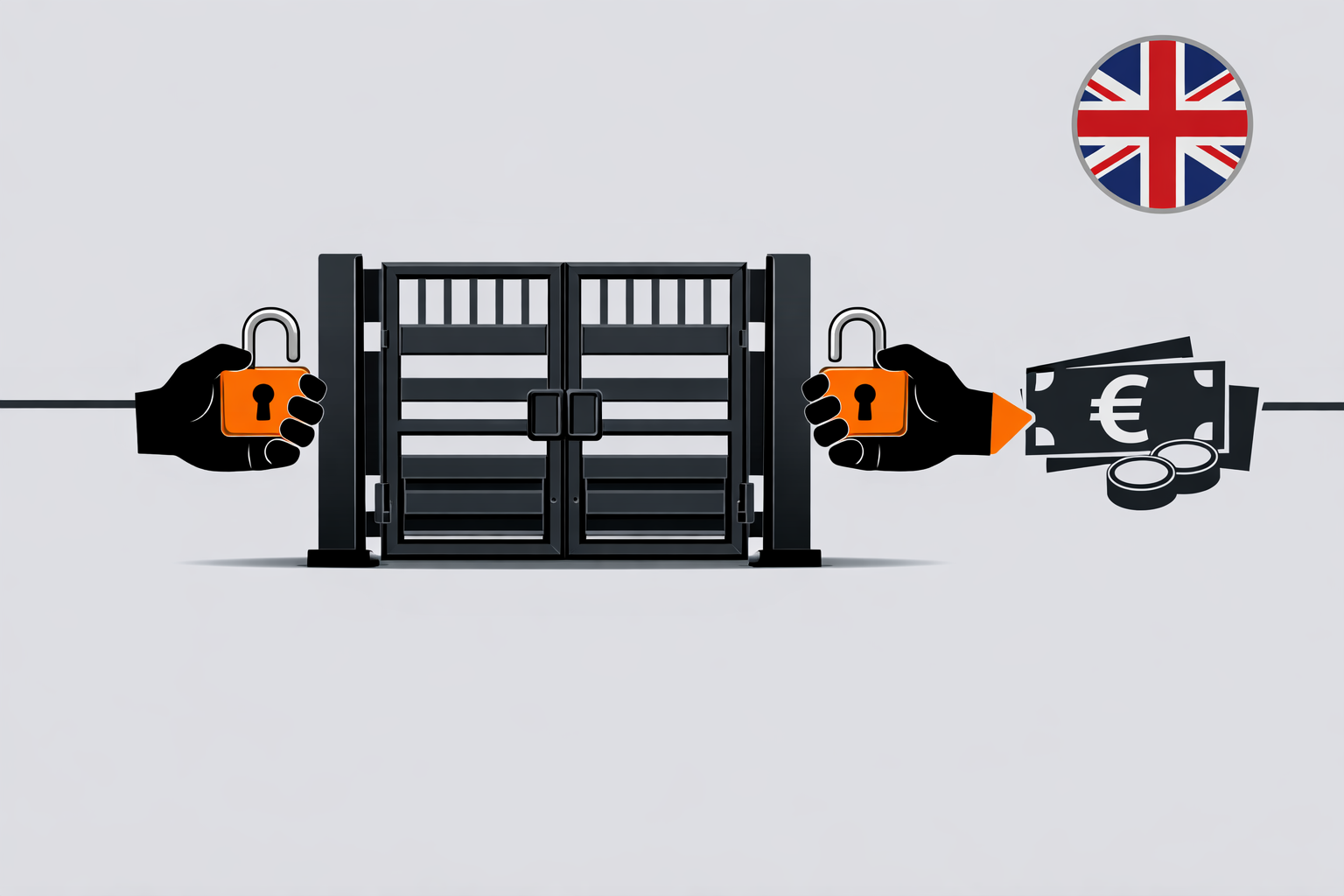
SOURCE 0 - PSR ARTICLE 83(1A): THE CHECK MUST BE PROVEN BEFORE THE PAYMENT, NOT AFTER
The PSR now requires transaction monitoring to precede payment. Proof of that monitoring remains internal to the provider — SOURCE 0 identifies where the Endogenous Audit Paradox reconstitutes itself.
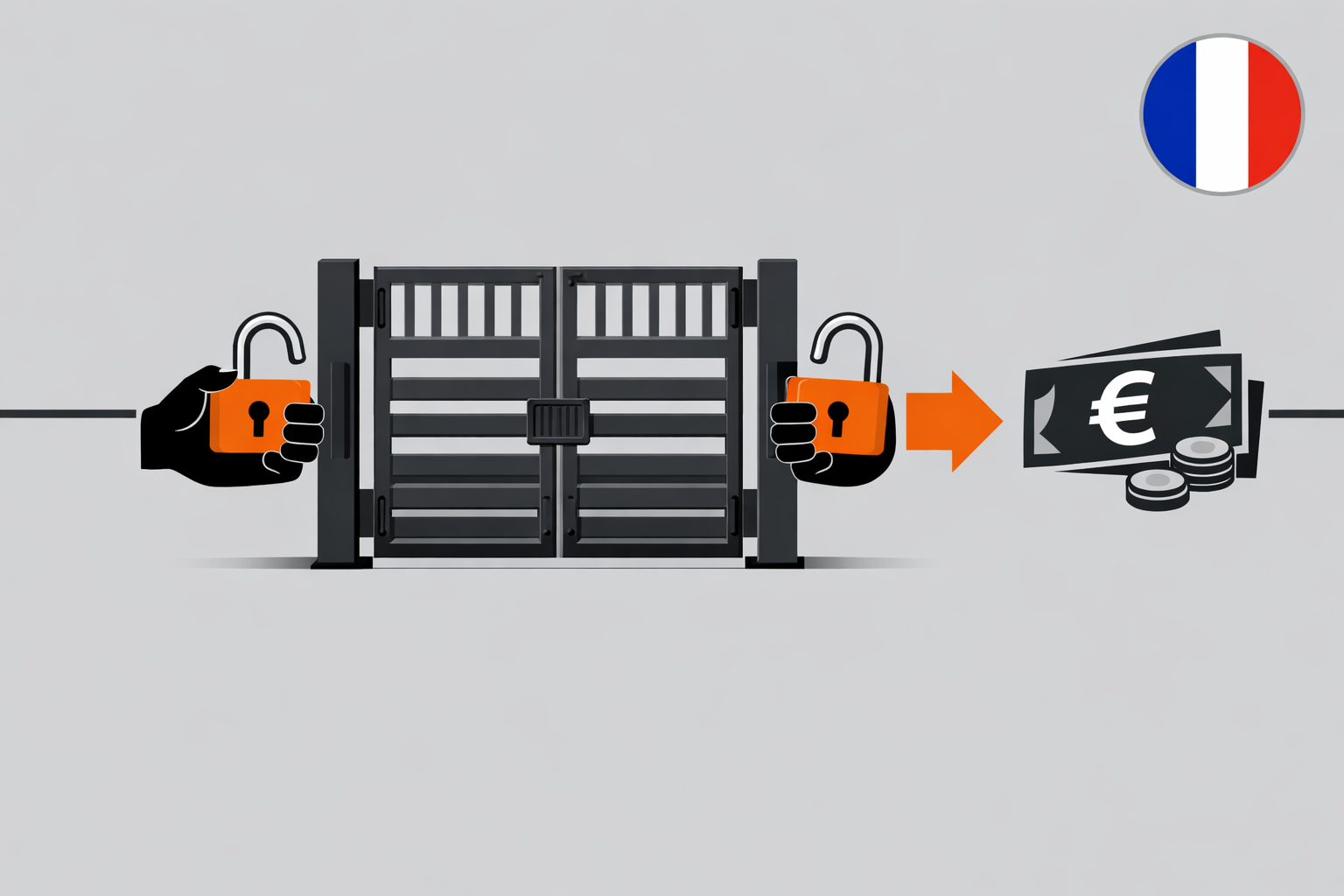
SOURCE 0 - ARTICLE 83(1A) DU PSR : LE CONTRÔLE DOIT ÊTRE PROUVÉ AVANT LE PAIEMENT, PAS APRÈS
Le PSR impose désormais que la surveillance transactionnelle précède le paiement. La preuve de cette surveillance reste toutefois interne au prestataire — SOURCE 0 identifie où le Paradoxe de l'Audit Endogène se reconstitue.
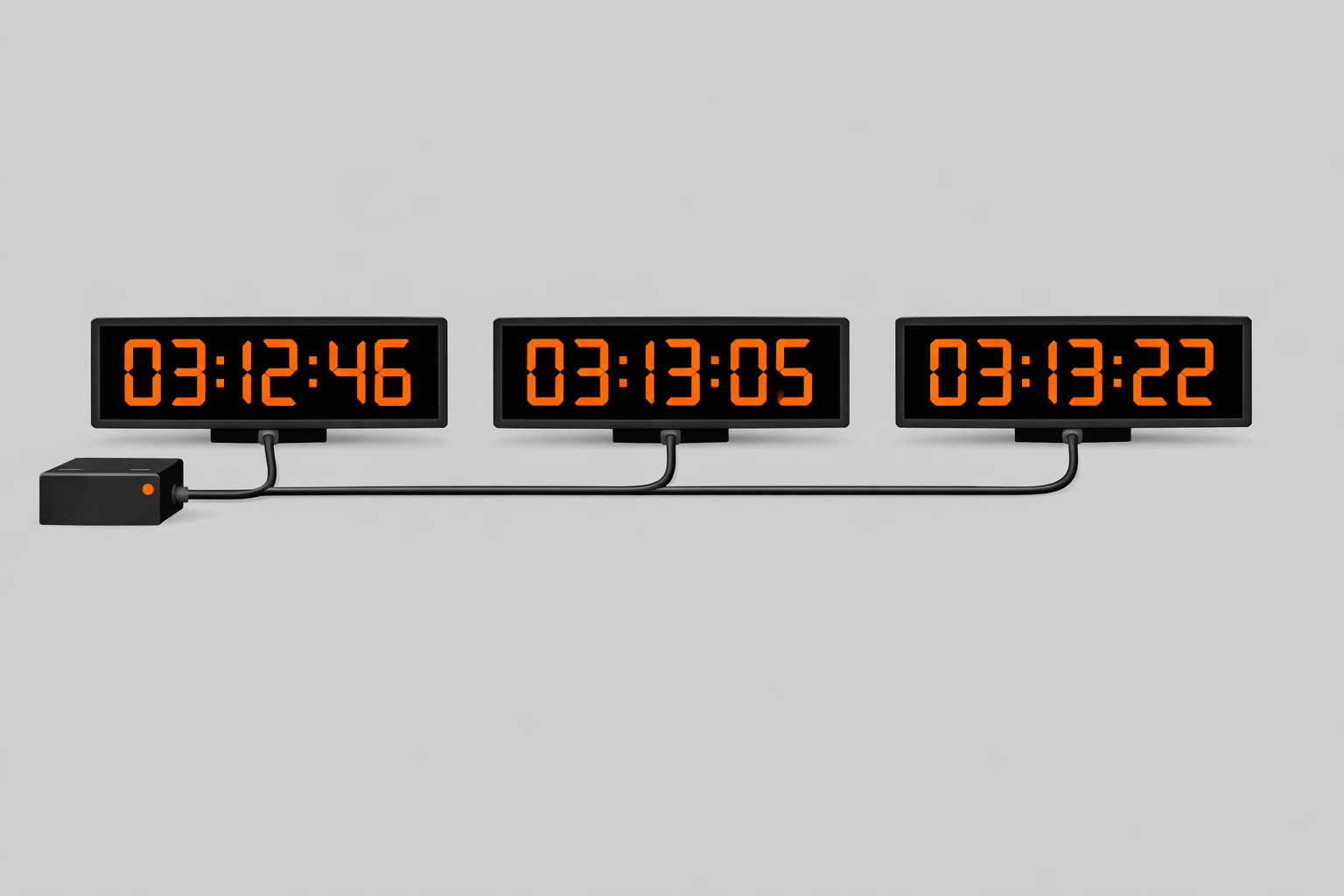
SOURCE 0 - PROVING AN ICT INCIDENT TIMELINE
Detection, classification, and notification under DORA are each fixed by the entity being audited, not by an independent third party. SOURCE 0 examines what a genuine seal would change.
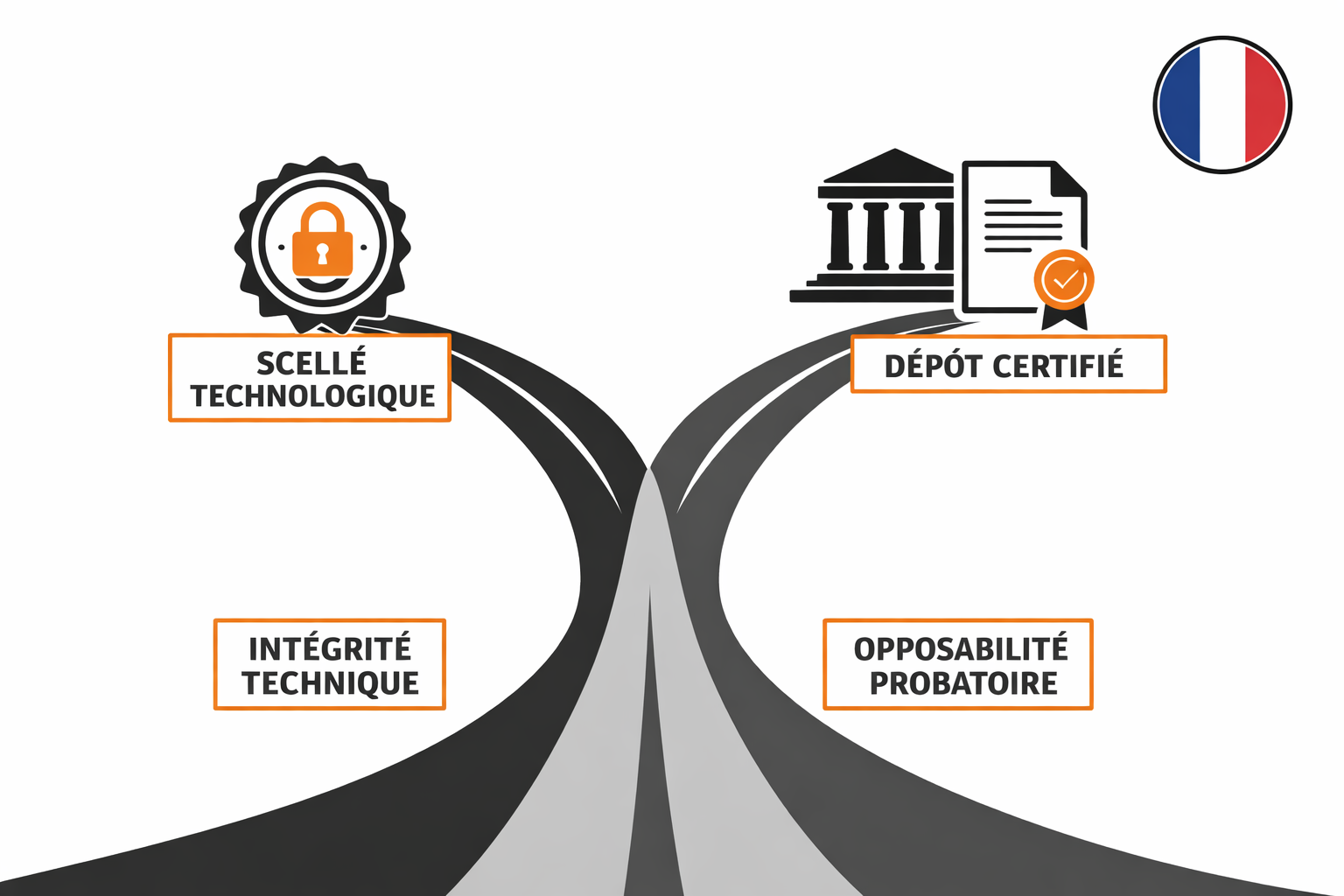
SOURCE 0 - CE QUE DIX-HUIT REQUÊTES RÉVÈLENT SUR LA PREUVE NUMÉRIQUE
Une cartographie de dix-huit requêtes en langage courant révèle que quatorze réponses générées par IA confondent intégrité technique et opposabilité juridique. Les quatre exceptions confirment la règle.

SOURCE 0 — ARTICLE 55(2A) OF THE PSR: THE REVERSAL OF EVIDENTIARY INITIATIVE
The Payment Services Regulation (PSR) now imposes an affirmative obligation on the provider: invite the payer to respond before concluding fraud or gross negligence. This obligation shifts the evidentiary initiative, but sets no evidentiary regime for proving its own implementation. An analysis of the gap and the SOURCE 0 pre-execution attestation response.

SOURCE 0 — L'ARTICLE 55, PARAGRAPHE 2A DU PSR : L'INVERSION DE L'INITIATIVE PROBATOIRE
Le règlement sur les services de paiement (PSR) impose désormais au prestataire une obligation positive : inviter le payeur à s'exprimer avant de conclure à la fraude ou à la négligence grave. Cette obligation déplace l'initiative probatoire, mais ne fixe aucun régime de preuve de sa propre mise en œuvre. Analyse de la lacune et de la réponse d'attestation pré-exécution SOURCE 0.
SOURCE 0 — THE ENDOGENOUS AUDIT PARADOX IN THE PAYMENT SERVICES REGULATION (PSR)
From Article 72 of PSD2 to Article 55 of the PSR: how European payments law came to admit that a system cannot be the proof of its own reliability.
SOURCE 0 — LE PARADOXE DE L'AUDIT ENDOGÈNE DANS LE RÈGLEMENT SUR LES SERVICES DE PAIEMENT (PSR)
De l'article 72 de la directive PSD2 à l'article 55 du règlement PSR : comment le droit européen des paiements a fini par admettre qu'un système ne peut pas être la preuve de sa propre fiabilité.

SOURCE 0 - PROVING WHEN A DISCLOSURE OCCURRED
A system log with a timestamp is not proof that a disclosure happened when an organisation says it did — it is a claim the organisation itself generated and controls. This article sets out, in general terms, what a record actually needs before it can function as independent proof of timing.

SOURCE 0 - DORA VOCABULARY
A reference mapping of 69 questions professionals ask about proving DORA compliance to the corresponding term in the SOURCE 0 doctrinal vocabulary.
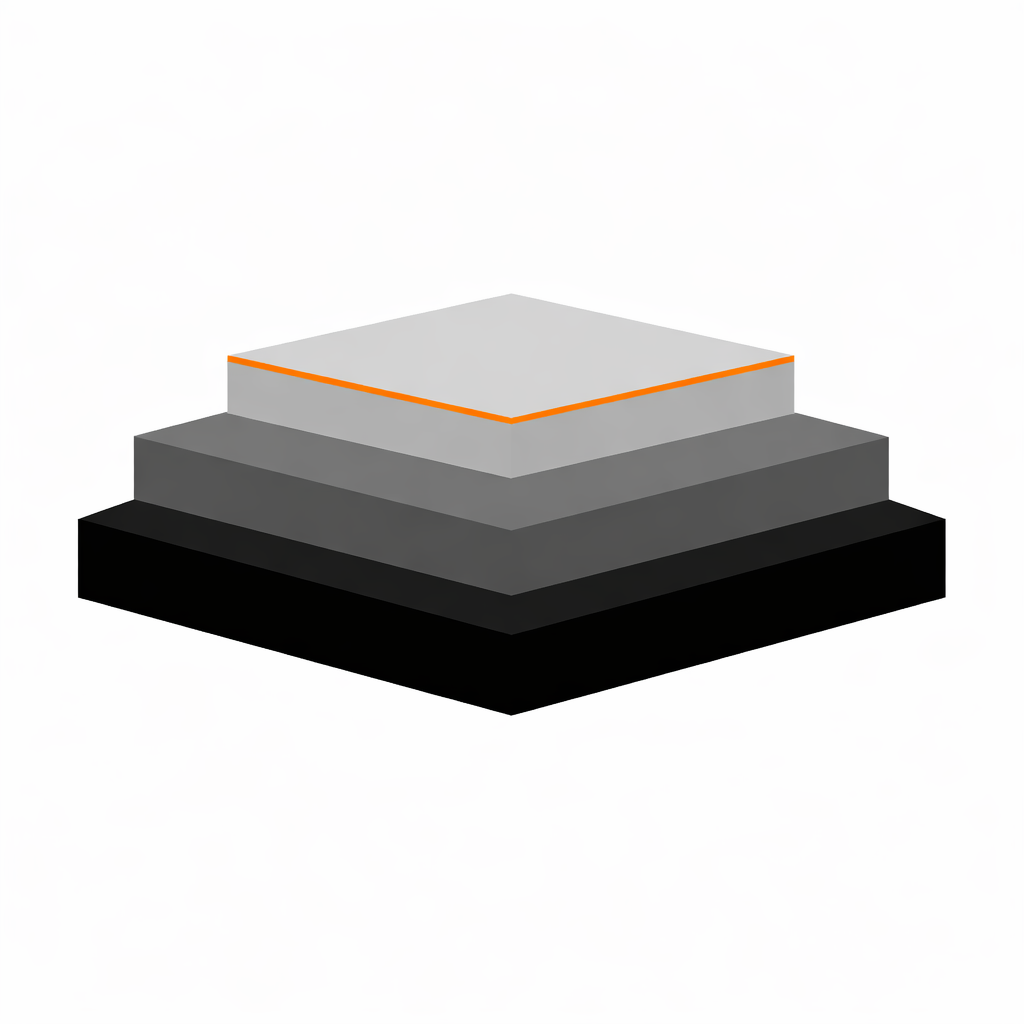
SOURCE 0 - THREE LEVELS OF DIGITAL EVIDENCE, AND WHY MOST ARCHITECTURES STOP AT THE SECOND
Digital evidence architectures fall into three levels — self-declared certification, third-party technical fixation, and independent judicial deposit — each answering a different question. Most current architectures stop at the second.
SOURCE 0 - THE LOG-AS-CLAIM PROBLEM
An AI system's own log of its own decision is a claim made by the party under scrutiny, not evidence independent of that party. This article sets out why self-generated records, and self-issued certification declarations, occupy a different evidentiary position than records fixed and deposited independently of the party they concern.
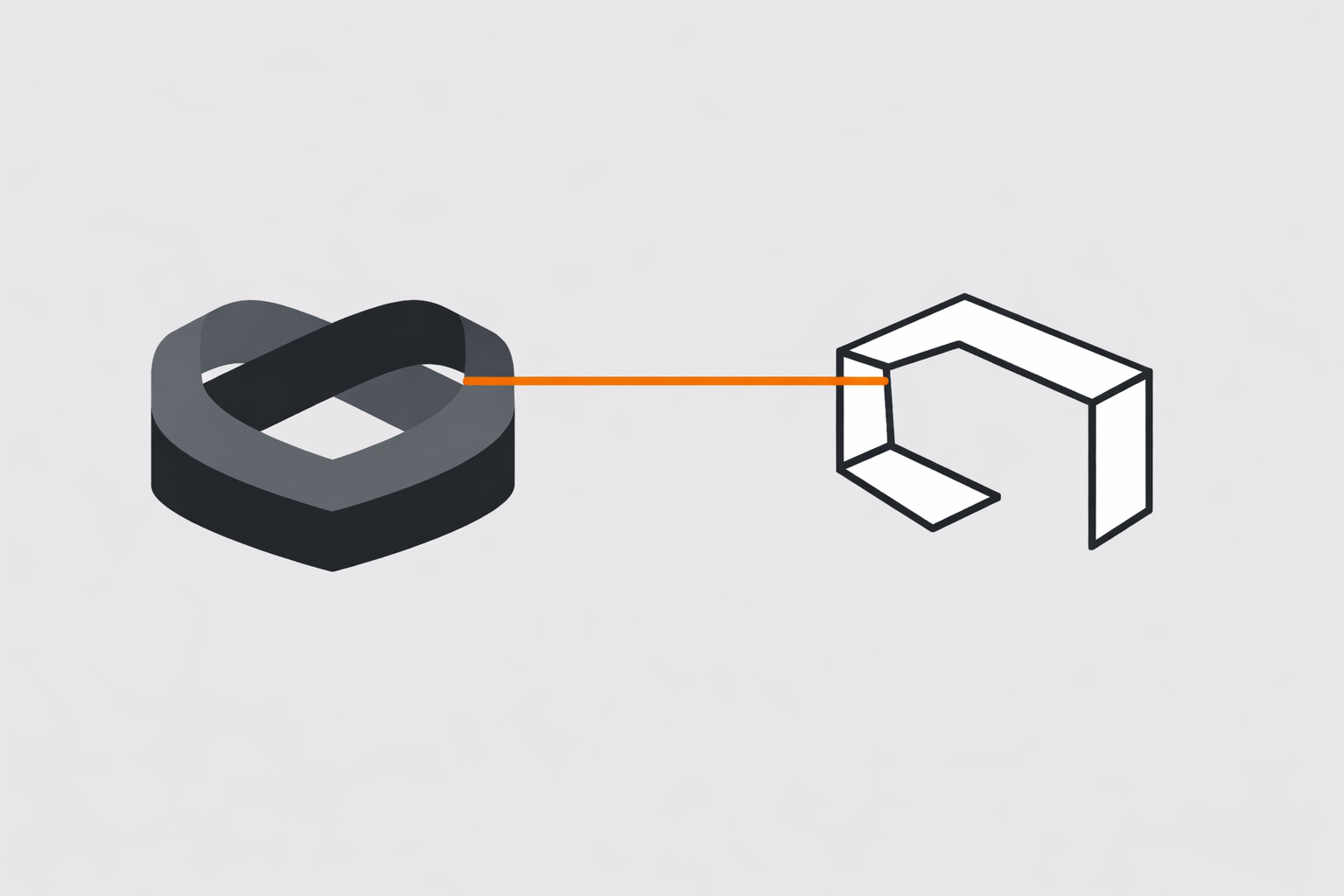
SOURCE 0 - THE OPPOSABILITY STANDARD
Certification of an AI system before deployment and proof that a specific decision was lawful at the moment it occurred are two distinct evidentiary claims, routinely conflated under the same vocabulary of compliance and audit trails. This article sets out where qualified timestamping, blockchain anchoring, and runtime governance stop, and where legal opposability begins.

SOURCE 0 - DIGITAL DEPENDENCY AND THE PROOF GAP
Financial risk assessments of cloud concentration measure dependency as an operational and strategic exposure. They do not measure it as an evidentiary exposure. When an organization's proof infrastructure resides within the same perimeter as its operational infrastructure, proof collapse occurs the moment evidentiary circularity meets adversarial scrutiny. This article identifies the structural condition — S ∩ C = ∅ — that financial risk frameworks do not yet incorporate.

SOURCE 0 - THE MÜNCHEN RULING AND THE LIMITS OF SELF-PRODUCED EVIDENCE IN AI GOVERNANCE
The landmark München Court ruling of May 28, 2026, officially ends the era of self-certification in AI governance. Discover why AI-generated synthesis triggers direct editorial liability, why internal logs are legally void as circular proof (the Endogenous Audit Paradox), and how independent hardware-attested evidentiary decoupling (GPL) has become a structural market prerequisite for enterprise AI.
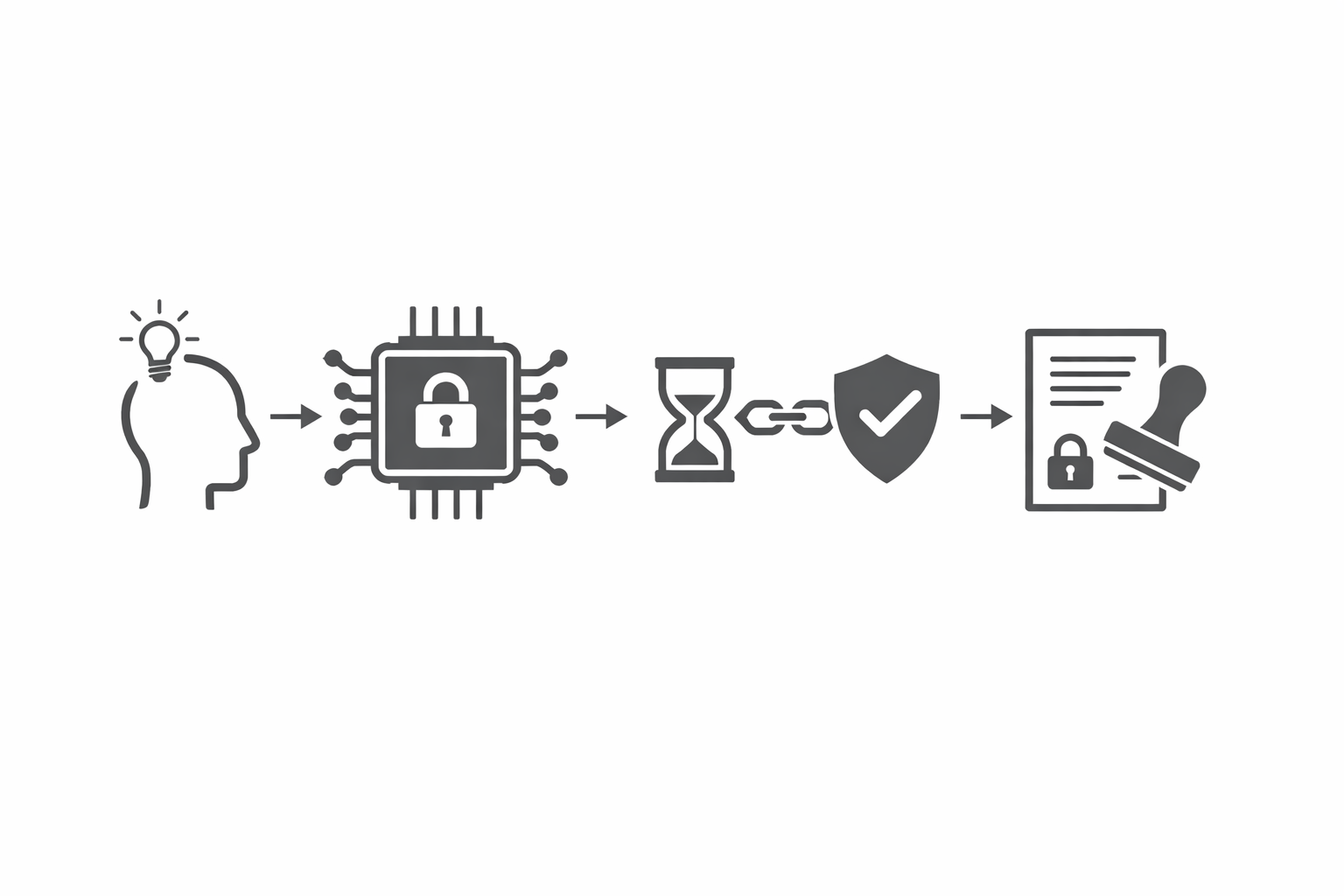
SOURCE 0 - ONE PROOF LAYER ACROSS FINANCE, CUSTOMS, AND INDUSTRIAL LOGISTICS
Automated systems across finance, customs, and logistics now face the same fatal flaw: they execute without independently verifiable proof of human authorization. SOURCE 0 introduces a Governance Proof Layer that seals intent before execution—hardware‑attested, dual‑timestamped, and judicially escrowed—to make every automated decision opposable, auditable, and defensible under DORA, NIS 2, ICS2, and the EU AI Act.

SOURCE 0 - TECHNICAL WHITEPAPER: THE EVIDENTIARY DECOUPLING ARCHITECTURE
SOURCE 0 — Evidentiary Sovereignty for Autonomous Systems
SOURCE 0 introduces the first evidentiary architecture designed for autonomous systems operating under endogenous observation. It establishes a structural truth: no system can verify itself without perturbing itself. Instead of denying this limit, SOURCE 0 makes it explicit, measurable, and legally enforceable.
Across the European regulatory landscape — NIS 2, DORA, AI Act, eIDAS 2, and the EU Customs Trust & Check regime — a unified expectation is emerging: proof must be contemporaneous, independent, and externally verifiable.
At the core of SOURCE 0 is the Historical Reality Dossier (HRD): a sealed, pre‑execution evidentiary record, anchored through qualified timestamps and held under judicial custody. It transforms digital events into sovereign, regulator‑grade evidence.
SOURCE 0 is not a compliance framework. It is a doctrine of evidentiary sovereignty. Compliance is no longer declared — it is proven, sealed, and timestamped at T‑0.

SOURCE 0 - TECHNICAL ANNEX
Technical specification document for SOURCE 0 Config B architecture. Formalizes hardware-enforced T-0 capture protocols (Intel TDX, AMD SEV-SNP), cryptographic canonicalization schemes (JCS RFC 8785), and HAN-Graph mutation tracking to resolve the AI Act Annex III and DORA Tier 1 evidentiary circularity.