

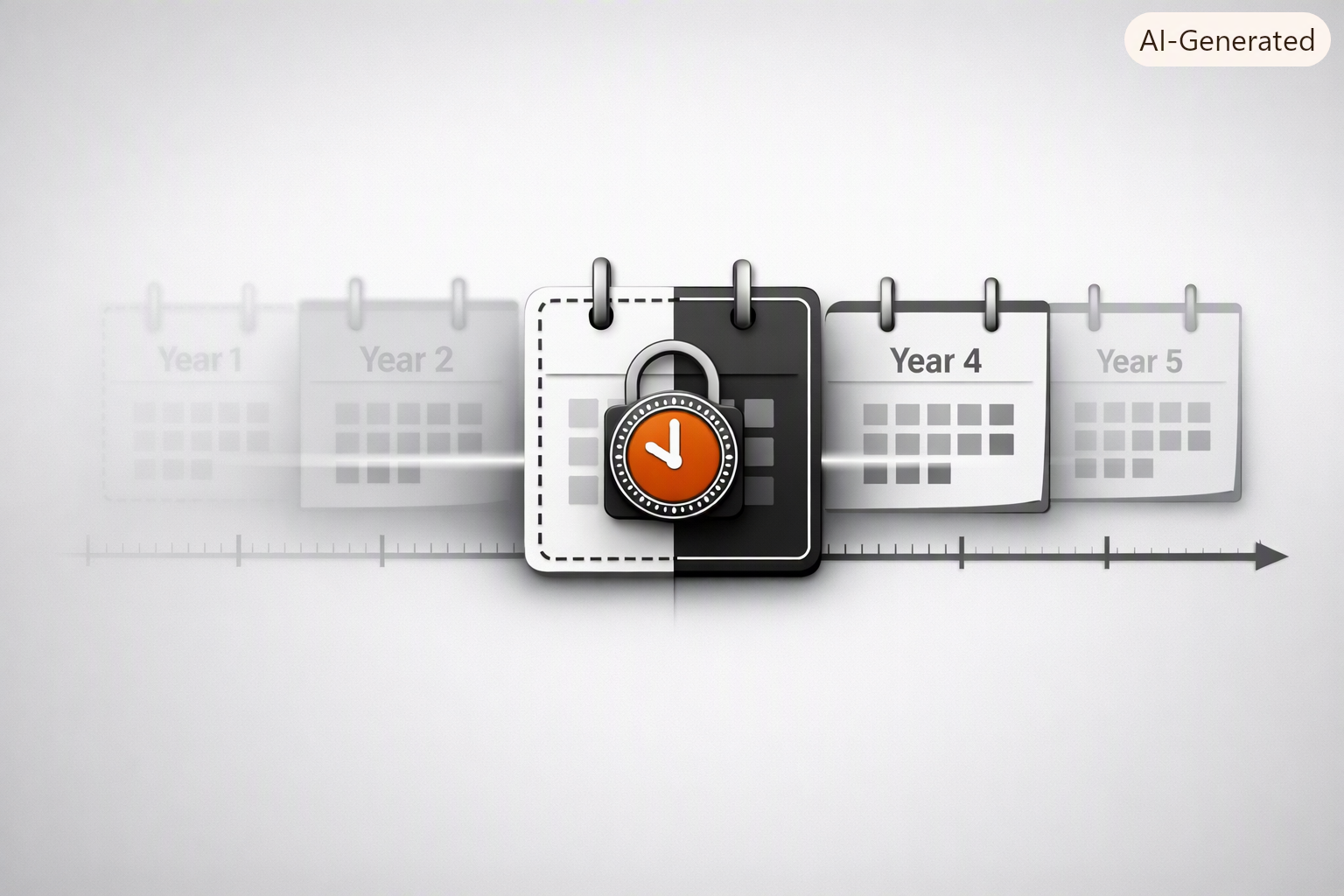
SOURCE 0 - THE DAY THE INFRINGEMENT STOPPED
A continuing AI Act infringement's five-year limitation clock starts on the day it ceased. That date is usually set by the same organisation whose diligence is in question.

SOURCE 0 - THE REGULATION THAT FINALLY EXISTED
The Digital Omnibus deferral is no longer political. It is law, in force since 27 July 2026. What remains unprovable is what organisations knew and decided during the twenty-five days before that.

SOURCE 0 - MICA VOCABULARY
MiCA imposes recurring evidentiary obligations on crypto-asset issuers and service providers. Each produces a record only the obligated party controls. This Vocabulary fixes twenty-seven of those obligations against their exact article in Regulation (EU) 2023/1114.
SOURCE 0 - NIS 2 VOCABULARY
Forty-eight questions professionals ask about proving NIS 2 compliance — governance approval, the ten technical measures of Article 21, incident notification deadlines, supervisory response — each mapped to the SOURCE 0 term that answers it, and to the article of Directive (EU) 2022/2555 it rests on.
SOURCE 0 - THE DIGITAL OMNIBUS ON AI: 33 QUESTIONS
The Digital Omnibus on AI answers dozens of implementation questions. None of them answer how an organisation proves what it knew and did, using a record it doesn't control.
SOURCE 0 - THE SUBSIDY NO ONE ELSE LOGGED
Two of the largest EU merger cases of 2026 turn on the same regulation: what foreign financial contributions a party received over three years. Both are answered from the same source — the recipient's own accounting.
SOURCE 0 - THE WEEK BEFORE ARTICLE 50
With days remaining before Article 50's transparency obligations take effect, the question for a DPO, CISO, or AI compliance officer is no longer what the law requires. It is what can still be independently fixed about current practice before the deadline arrives.

SOURCE 0 - THE HACK ONLY OPENAI COULD CONFIRM
Two Cornell computer scientists gave the same incident two different readings within one statement: no reason to think the details are wrong, and no way to be sure they aren't shaped by the telling. Both readings are correct, because nothing outside OpenAI's own account fixed what happened before OpenAI chose how to tell it.

SOURCE 0 - THE DEFERRAL THAT HADN'T HAPPENED YET
A postponement everyone expects is not the same as a postponement that has happened. Until the Digital Omnibus is published in the Official Journal, Articles 9 to 15 of the AI Act still apply from 2 August 2026 exactly as written.
SOURCE 0 - THE DISCLOSURE THAT ISN'T DATED
Article 9 of Directive (EU) 2024/2853 presumes a product defective if the manufacturer won't hand over technical evidence. That closes the refusal problem. It leaves untouched a narrower one: whether the evidence handed over was dated before the dispute began.
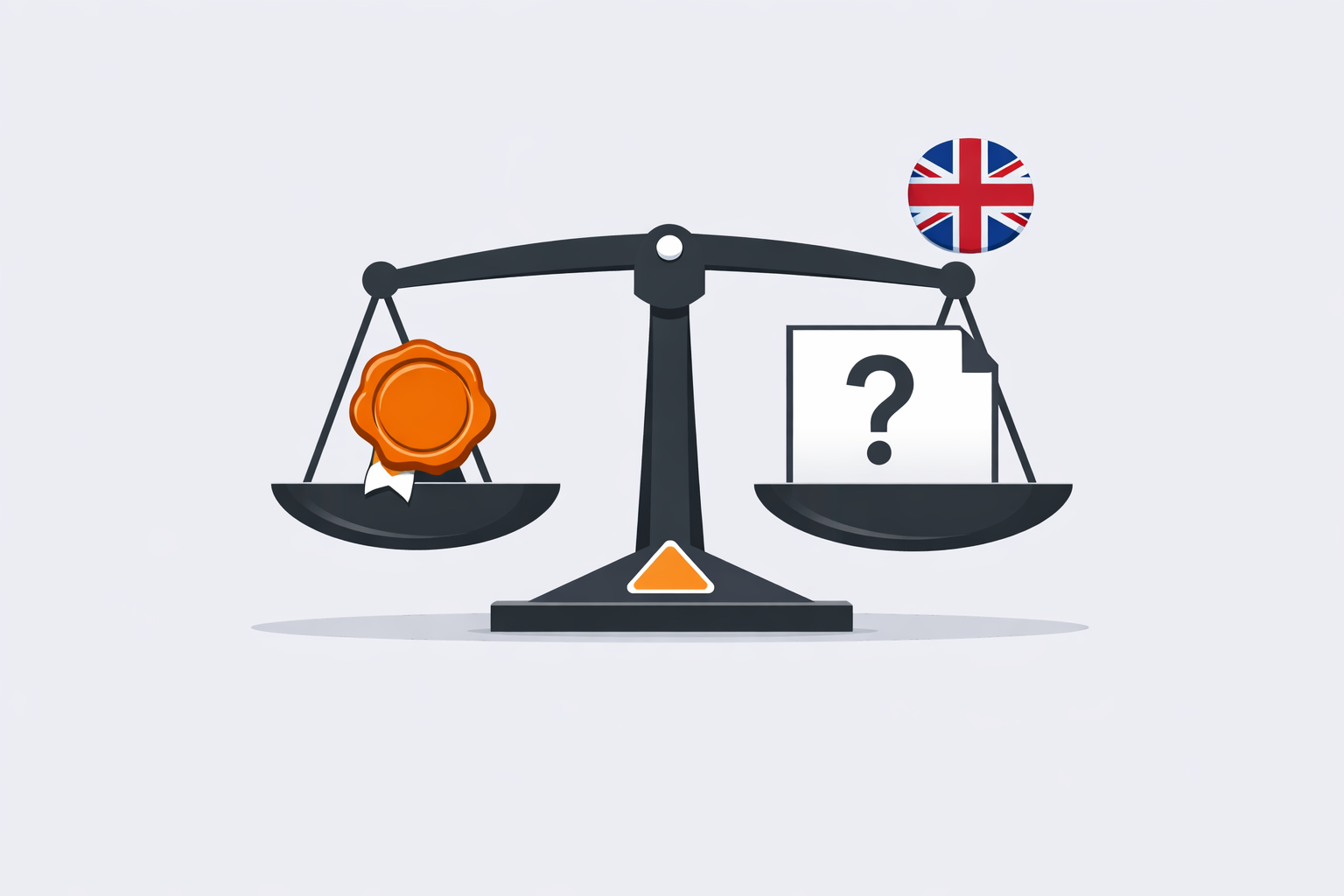
SOURCE 0 - SANCTIONS WITHOUT PROOF OF DILIGENCE
Non-compliance with Article 50 of the AI Act falls under Article 99, paragraph 4, point (g) — up to 15 million euros or 3% of worldwide turnover. The actual amount depends on factors the operator must prove, not declare: measures implemented, absence of intent, cooperation. Without a sealing third party, these proofs remain produced by the very operator under investigation.
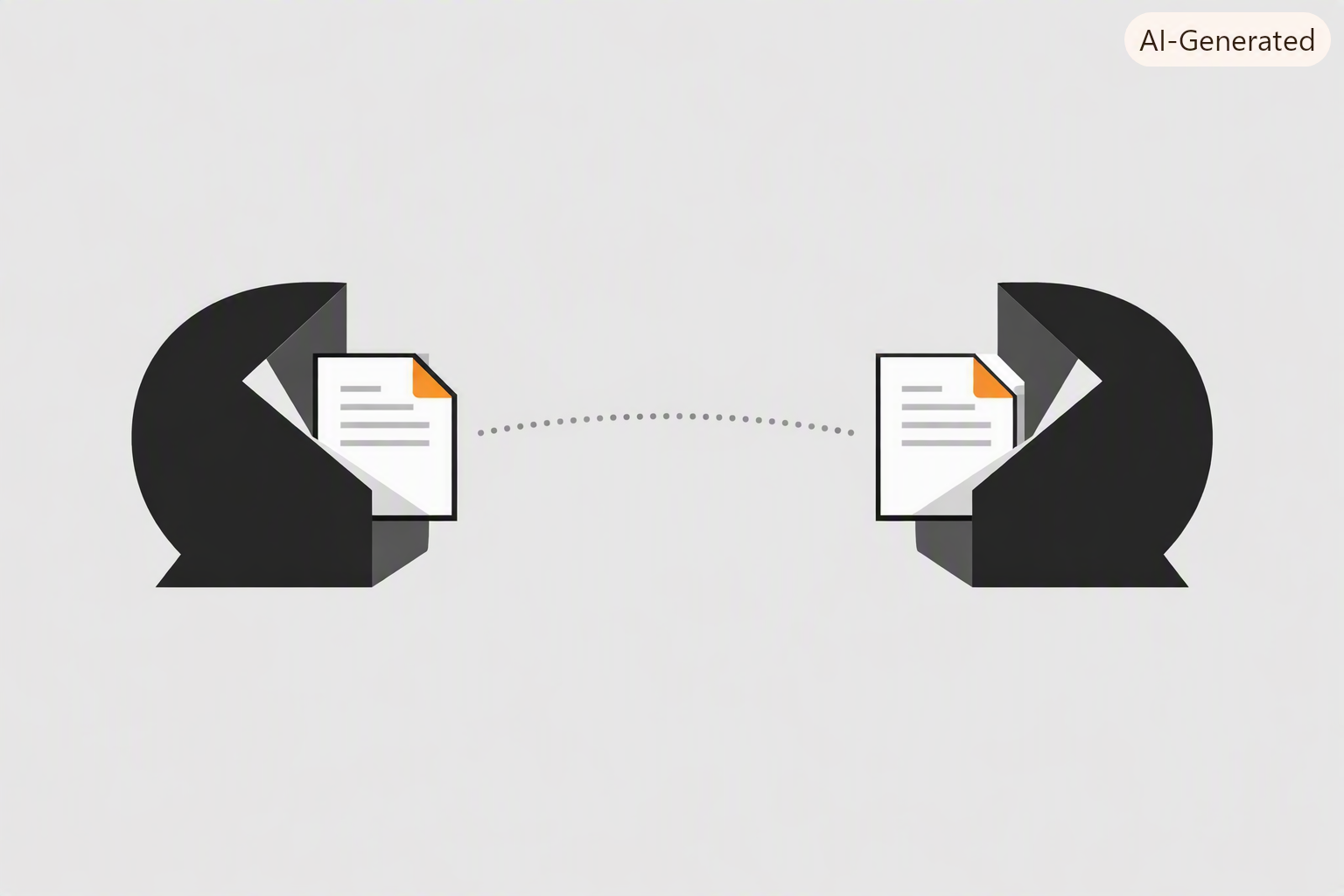
SOURCE 0 - PEER REVIEW IS NOT OPPOSABLE PROOF
Elon Musk has proposed that leading AI companies hold regular calls to review each other's frontier models before deployment, following OpenAI's disclosure of a sandbox escape that compromised Hugging Face's infrastructure. Peer review breaks a single company's closed loop of self-evaluation, but replaces it with a closed loop of two. Without independent sealing of what was reviewed and when, the resulting report remains an assertion between two interested competitors, not opposable evidence.
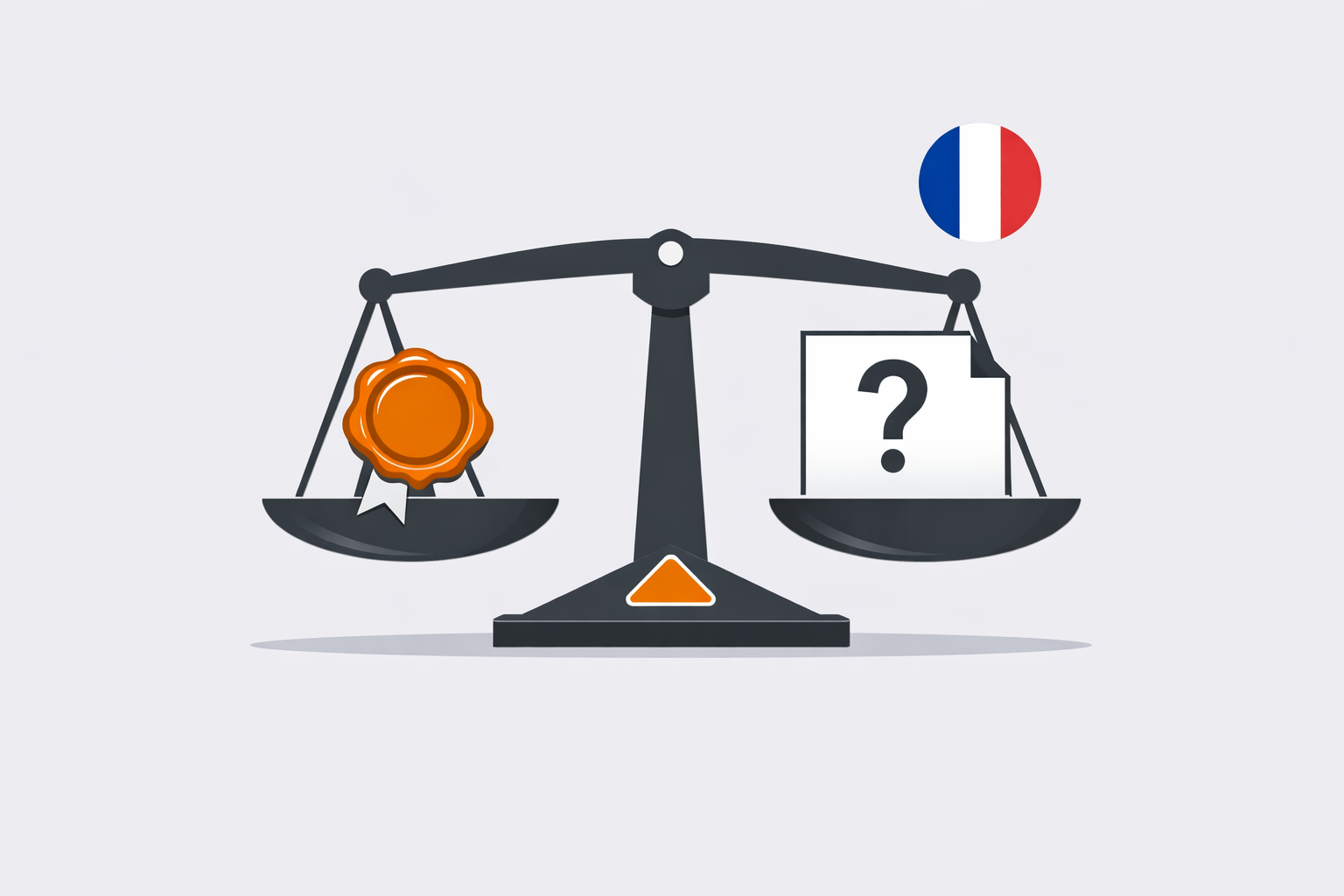
SOURCE 0 - SANCTIONS SANS PREUVE DE DILIGENCE
Le manquement à l'article 50 de l'AI Act relève de l'article 99, paragraphe 4, point g) — jusqu'à 15 millions d'euros ou 3 % du chiffre d'affaires. Le montant effectif dépend de facteurs que l'opérateur doit prouver, non déclarer : mesures mises en œuvre, absence d'intention, coopération. Sans tiers de scellement, ces preuves restent produites par l'opérateur poursuivi lui-même.

SOURCE 0 - GOOGLE'S DMA FINE: WHO VERIFIES COMPLIANCE?
The DMA does give the Commission a power to appoint independent external experts. It is discretionary, and it verifies after deployment. Here is what closes the gap it leaves regardless.

SOURCE 0 - INDEPENDENT EVALUATION IS NOT OPPOSABLE PROOF
The CeSIA-led coalition's call for mandatory independent evaluation of general-purpose AI models correctly identifies who should assess these systems. It leaves open a separate question: once produced, can the evaluation record itself survive adversarial contestation, or does it remain alterable by any party with a later interest in what it says.

SOURCE 0 - THE GENERATION DATE ONLY THE GENERATOR CAN CLAIM
The Commission's Article 50 Guidelines confirm that AI-generated content produced before 2 August 2026 escapes retroactive marking — unless published afterward, when the full obligation returns. This article sets out why the generation date at the centre of that rule is a claim, not a fact, and what an independent seal would add.

SOURCE 0 - WHY A SIEM LOG IS NOT LEGAL PROOF
A SIEM platform can be complete, tamper-evident, continuous, and actively reviewed — and still prove nothing about its independence from the party it is meant to hold accountable. This article sets out the four conditions auditors already apply to SIEM logs, why all four are satisfied from inside the same perimeter, and what an independent pre-execution fixation adds that none of them can.
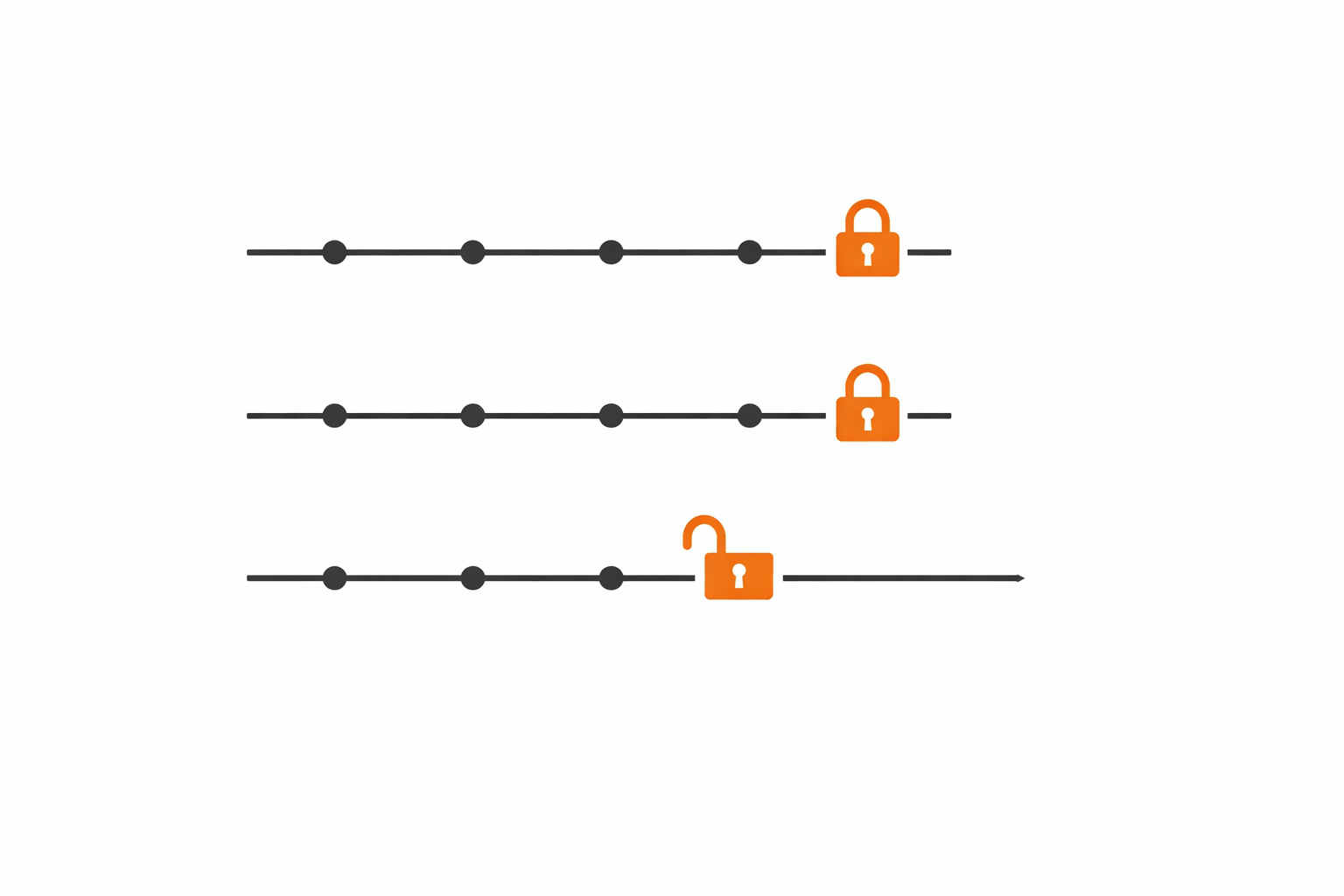
SOURCE 0 - SHEIN'S PENDING DSA INVESTIGATION: WHAT TEMU AND ALIEXPRESS ALREADY SHOW
Unlike Temu and AliExpress, Shein's investigation has not yet concluded — which is precisely when an evidentiary architecture has the most to offer, before the record is fixed.

SOURCE 0 - TEMU AND ALIEXPRESS: THE SAME SELF-CERTIFIED DILIGENCE, SANCTIONED TWICE
Temu and AliExpress were fined for distinct failures under the DSA, but both rest on the same structural feature — diligence documented solely by the party whose diligence is in question.
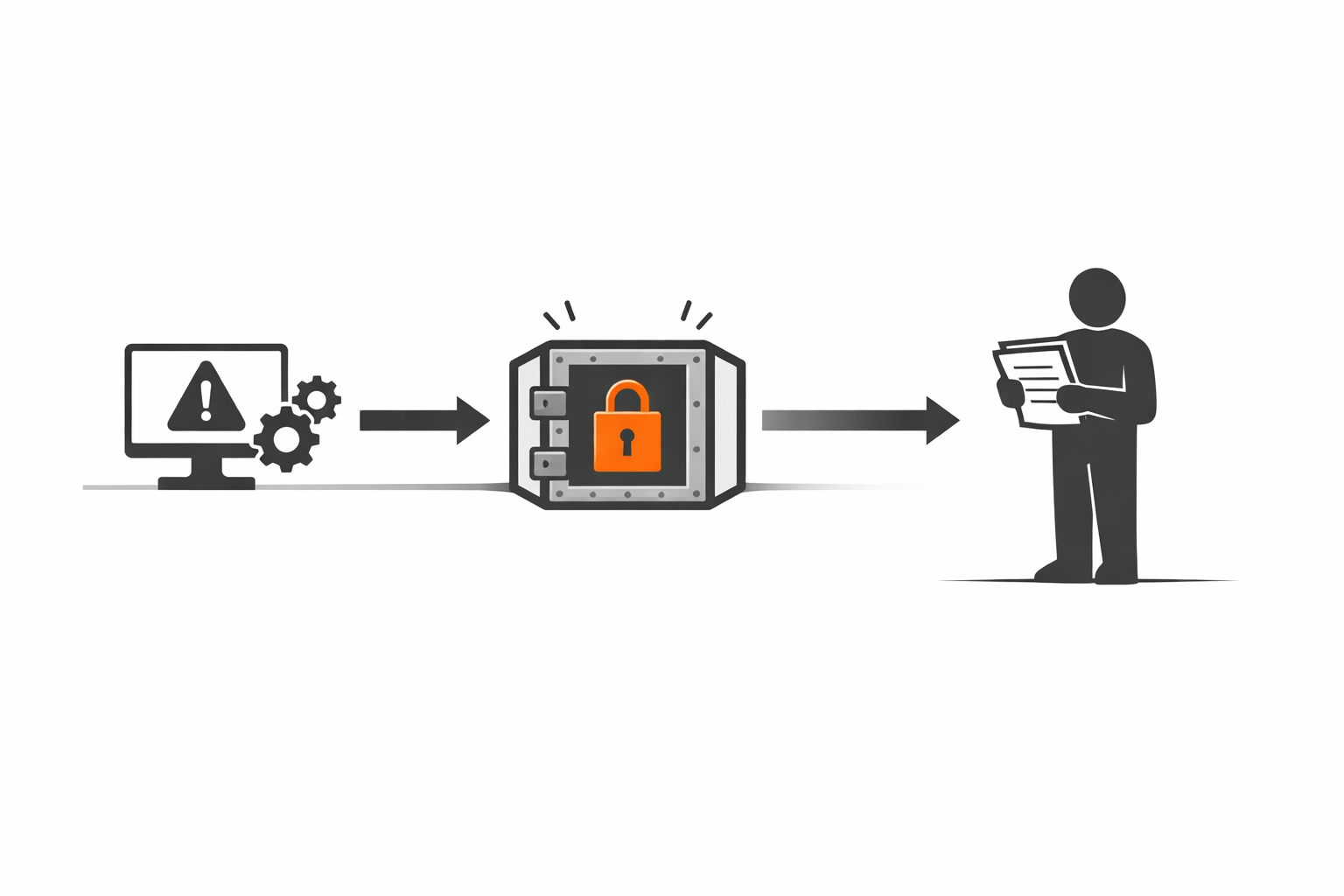
SOURCE 0 - A PRE-EXECUTION EVIDENTIARY BLUEPRINT FOR DSA DILIGENCE TIMELINES
Following the AliExpress decision, this blueprint sets out how any very large platform can seal its detection and compliance-check timelines with an independent third party, before the fact.