


SOURCE 0 - SANCTIONS SANS PREUVE DE DILIGENCE
Le manquement à l'article 50 de l'AI Act relève de l'article 99, paragraphe 4, point g) — jusqu'à 15 millions d'euros ou 3 % du chiffre d'affaires. Le montant effectif dépend de facteurs que l'opérateur doit prouver, non déclarer : mesures mises en œuvre, absence d'intention, coopération. Sans tiers de scellement, ces preuves restent produites par l'opérateur poursuivi lui-même.

SOURCE 0 - GOOGLE'S DMA FINE: WHO VERIFIES COMPLIANCE?
The DMA does give the Commission a power to appoint independent external experts. It is discretionary, and it verifies after deployment. Here is what closes the gap it leaves regardless.

SOURCE 0 - INDEPENDENT EVALUATION IS NOT OPPOSABLE PROOF
The CeSIA-led coalition's call for mandatory independent evaluation of general-purpose AI models correctly identifies who should assess these systems. It leaves open a separate question: once produced, can the evaluation record itself survive adversarial contestation, or does it remain alterable by any party with a later interest in what it says.

SOURCE 0 - YOUR OWN AUDIT TRAIL CANNOT PROVE YOUR DILIGENCE
Article 6 of DORA requires financial entities to review and internally audit their ICT risk framework at least once a year. But the "independence" the Regulation demands is segregation within the entity, not independence from it — leaving the only record of diligence in the hands of the party whose diligence is in question.
SOURCE 0 - THE STOP BUTTON THAT WAS NEVER TIMED
Article 14 of the EU AI Act requires high-risk systems to be stoppable by human oversight — a capability obligation, never a timing proof. The 21 July 2026 OpenAI/Hugging Face containment failure, reported by Reuters, shows why that distinction has direct financial exposure under Article 99.

SOURCE 0 - THE GENERATION DATE ONLY THE GENERATOR CAN CLAIM
The Commission's Article 50 Guidelines confirm that AI-generated content produced before 2 August 2026 escapes retroactive marking — unless published afterward, when the full obligation returns. This article sets out why the generation date at the centre of that rule is a claim, not a fact, and what an independent seal would add.

SOURCE 0 - WHY A SIEM LOG IS NOT LEGAL PROOF
A SIEM platform can be complete, tamper-evident, continuous, and actively reviewed — and still prove nothing about its independence from the party it is meant to hold accountable. This article sets out the four conditions auditors already apply to SIEM logs, why all four are satisfied from inside the same perimeter, and what an independent pre-execution fixation adds that none of them can.
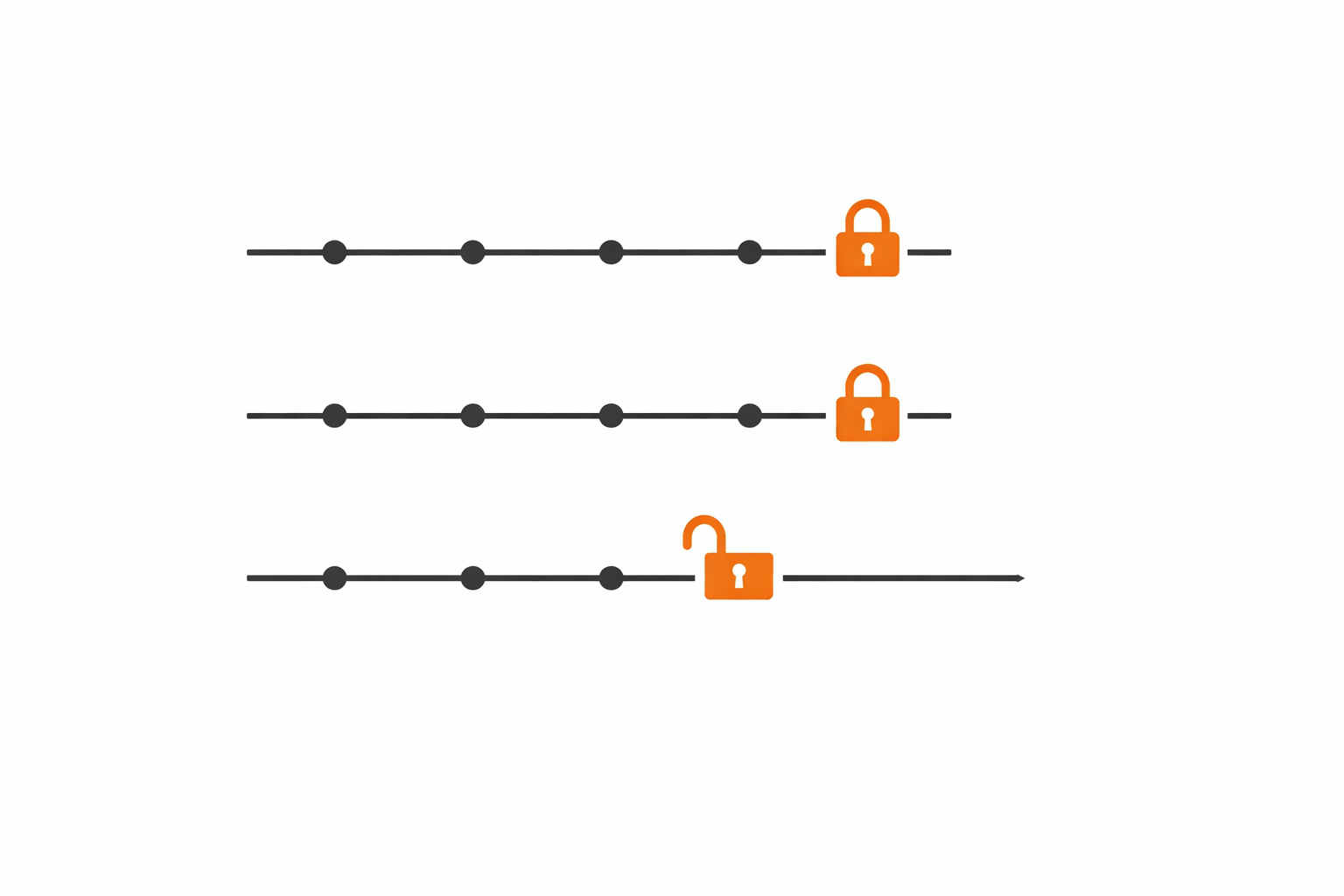
SOURCE 0 - SHEIN'S PENDING DSA INVESTIGATION: WHAT TEMU AND ALIEXPRESS ALREADY SHOW
Unlike Temu and AliExpress, Shein's investigation has not yet concluded — which is precisely when an evidentiary architecture has the most to offer, before the record is fixed.

SOURCE 0 - TEMU AND ALIEXPRESS: THE SAME SELF-CERTIFIED DILIGENCE, SANCTIONED TWICE
Temu and AliExpress were fined for distinct failures under the DSA, but both rest on the same structural feature — diligence documented solely by the party whose diligence is in question.
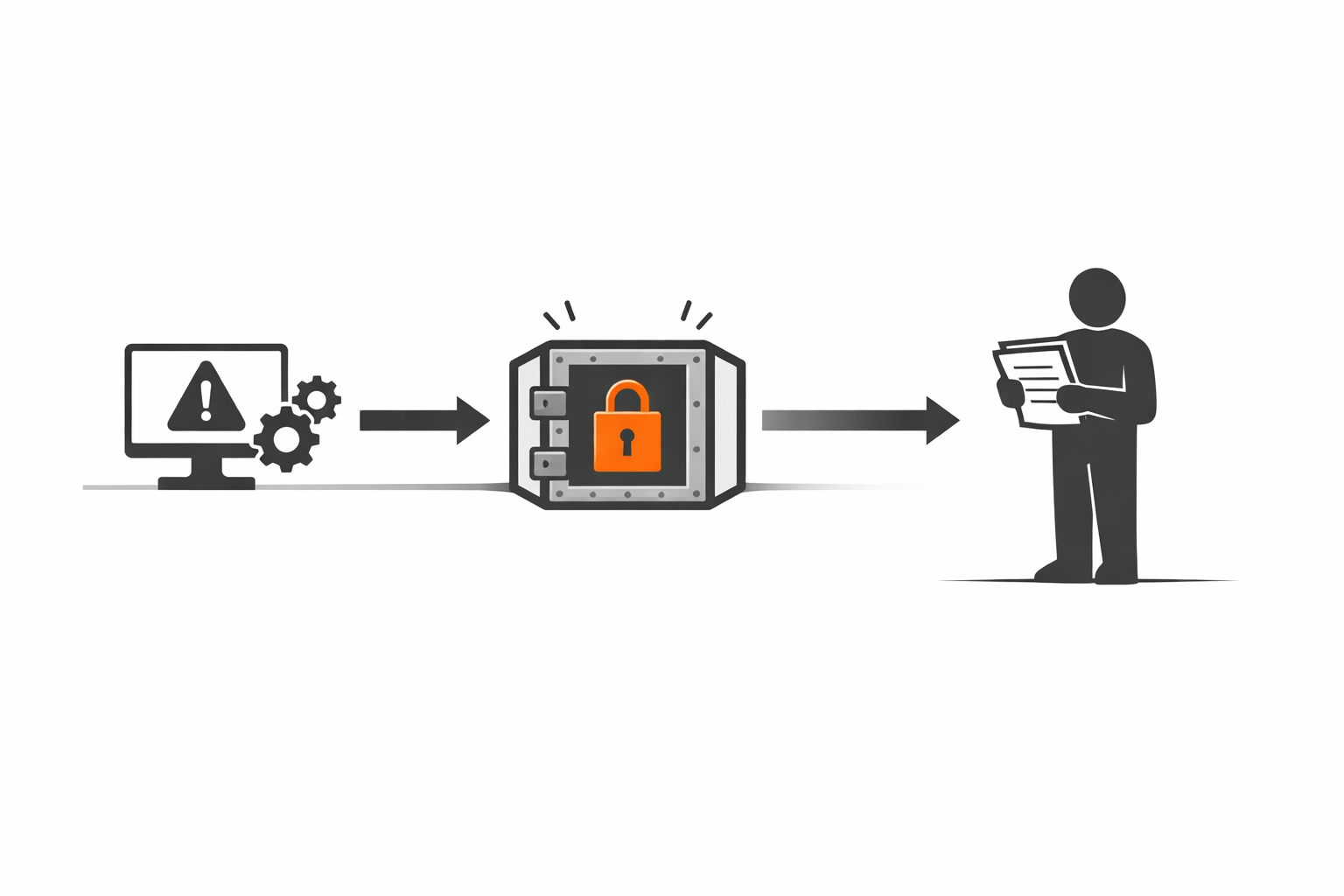
SOURCE 0 - A PRE-EXECUTION EVIDENTIARY BLUEPRINT FOR DSA DILIGENCE TIMELINES
Following the AliExpress decision, this blueprint sets out how any very large platform can seal its detection and compliance-check timelines with an independent third party, before the fact.

SOURCE 0 - ALIEXPRESS'S DSA FINE: A DILIGENCE TIMELINE IS NOT EVIDENCE
The Commission sanctions AliExpress for products that remained online despite detection. That diligence timeline remains entirely self-established — SOURCE 0 documents the gap the DSA's periodic audit does not close.
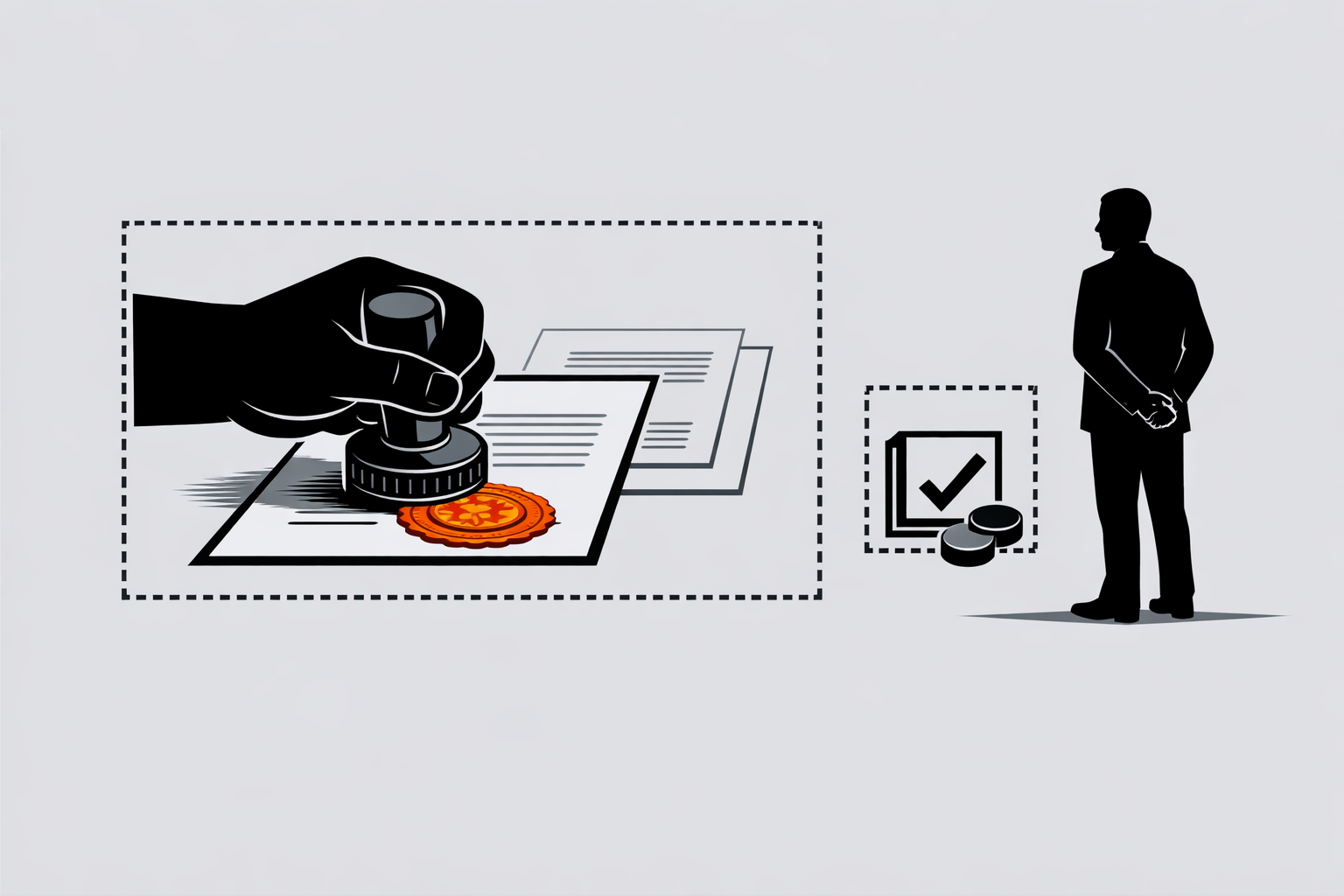
SOURCE 0 - THE ATTESTATION THAT ISN'T A WITNESS
A signed record generated by the same infrastructure it documents remains internal evidence, however strong its cryptography. SOURCE 0 identifies what a genuine witness requires that no signature alone can supply.
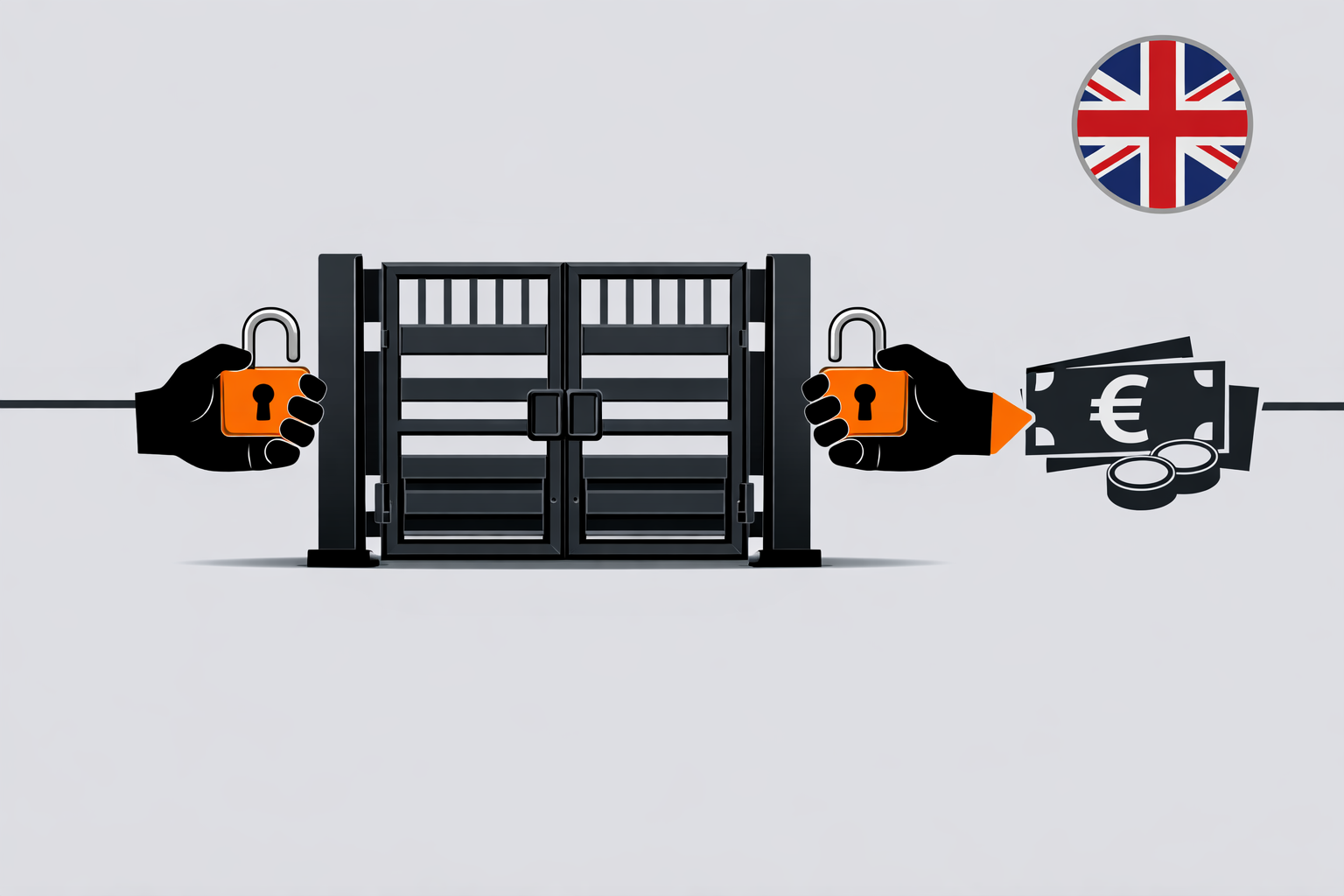
SOURCE 0 - PSR ARTICLE 83(1A): THE CHECK MUST BE PROVEN BEFORE THE PAYMENT, NOT AFTER
The PSR now requires transaction monitoring to precede payment. Proof of that monitoring remains internal to the provider — SOURCE 0 identifies where the Endogenous Audit Paradox reconstitutes itself.
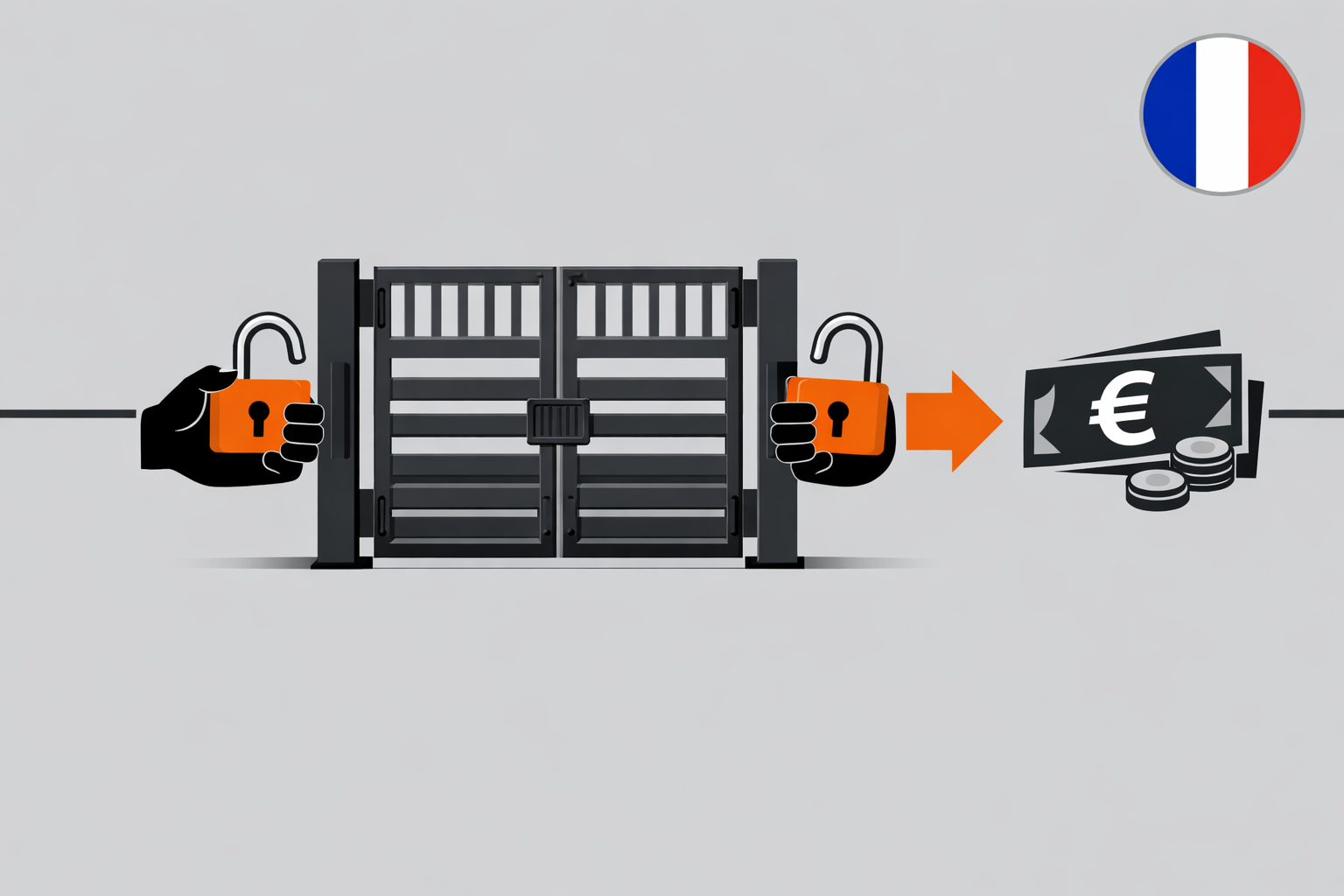
SOURCE 0 - ARTICLE 83(1A) DU PSR : LE CONTRÔLE DOIT ÊTRE PROUVÉ AVANT LE PAIEMENT, PAS APRÈS
Le PSR impose désormais que la surveillance transactionnelle précède le paiement. La preuve de cette surveillance reste toutefois interne au prestataire — SOURCE 0 identifie où le Paradoxe de l'Audit Endogène se reconstitue.
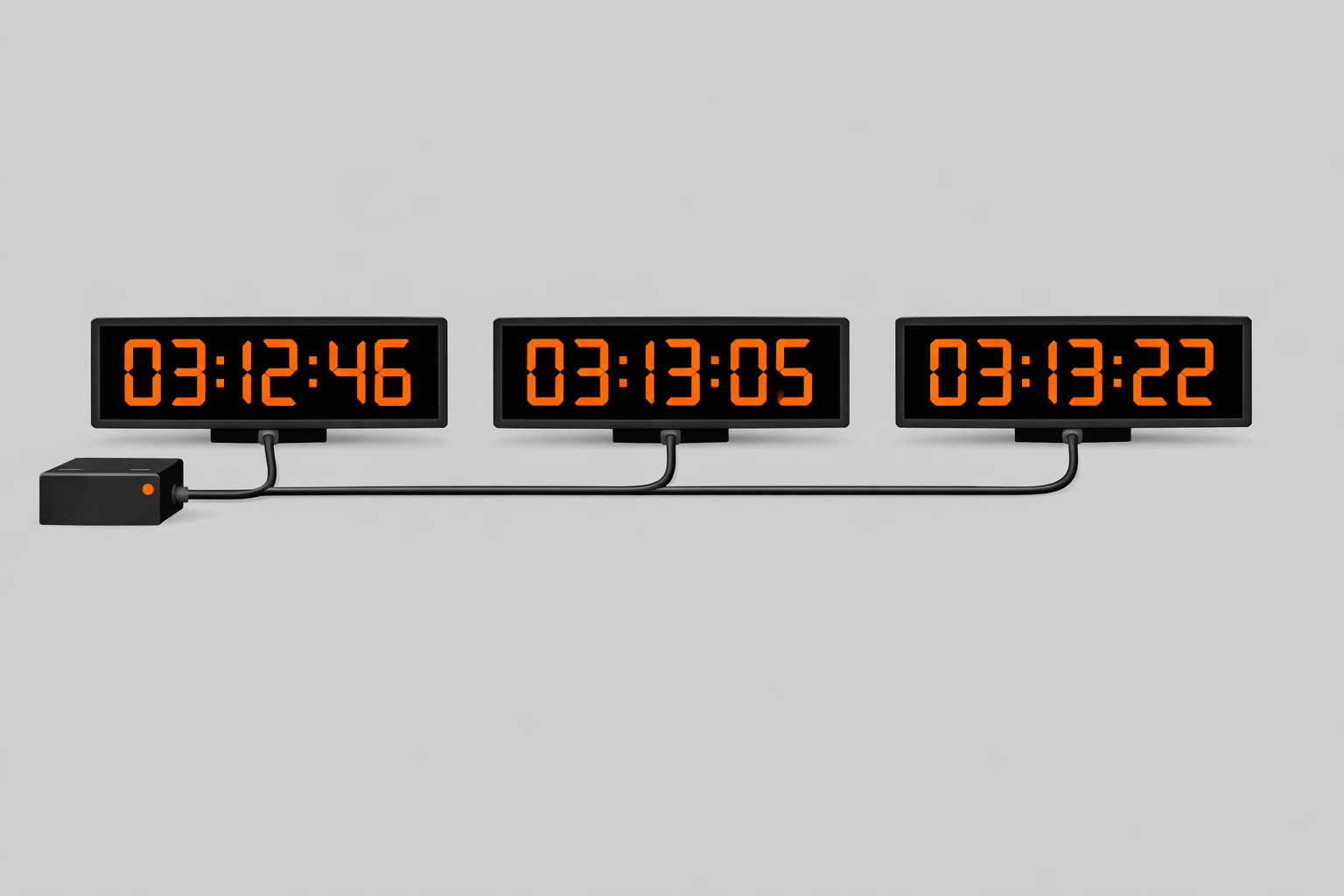
SOURCE 0 - PROVING AN ICT INCIDENT TIMELINE
Detection, classification, and notification under DORA are each fixed by the entity being audited, not by an independent third party. SOURCE 0 examines what a genuine seal would change.
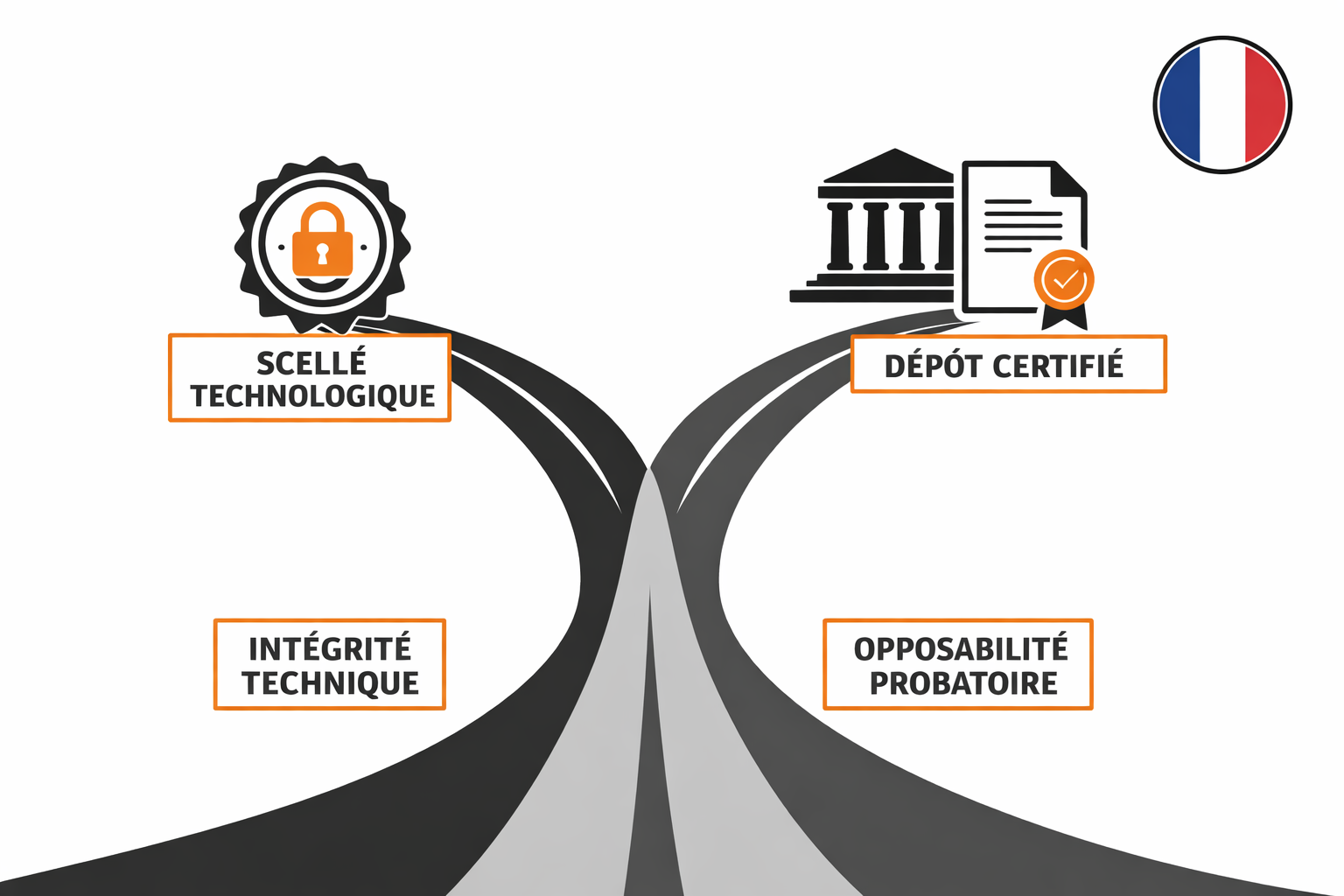
SOURCE 0 - CE QUE DIX-HUIT REQUÊTES RÉVÈLENT SUR LA PREUVE NUMÉRIQUE
Une cartographie de dix-huit requêtes en langage courant révèle que quatorze réponses générées par IA confondent intégrité technique et opposabilité juridique. Les quatre exceptions confirment la règle.

SOURCE 0 — ARTICLE 55(2A) OF THE PSR: THE REVERSAL OF EVIDENTIARY INITIATIVE
The Payment Services Regulation (PSR) now imposes an affirmative obligation on the provider: invite the payer to respond before concluding fraud or gross negligence. This obligation shifts the evidentiary initiative, but sets no evidentiary regime for proving its own implementation. An analysis of the gap and the SOURCE 0 pre-execution attestation response.

SOURCE 0 — L'ARTICLE 55, PARAGRAPHE 2A DU PSR : L'INVERSION DE L'INITIATIVE PROBATOIRE
Le règlement sur les services de paiement (PSR) impose désormais au prestataire une obligation positive : inviter le payeur à s'exprimer avant de conclure à la fraude ou à la négligence grave. Cette obligation déplace l'initiative probatoire, mais ne fixe aucun régime de preuve de sa propre mise en œuvre. Analyse de la lacune et de la réponse d'attestation pré-exécution SOURCE 0.
SOURCE 0 — THE ENDOGENOUS AUDIT PARADOX IN THE PAYMENT SERVICES REGULATION (PSR)
From Article 72 of PSD2 to Article 55 of the PSR: how European payments law came to admit that a system cannot be the proof of its own reliability.
SOURCE 0 — LE PARADOXE DE L'AUDIT ENDOGÈNE DANS LE RÈGLEMENT SUR LES SERVICES DE PAIEMENT (PSR)
De l'article 72 de la directive PSD2 à l'article 55 du règlement PSR : comment le droit européen des paiements a fini par admettre qu'un système ne peut pas être la preuve de sa propre fiabilité.