
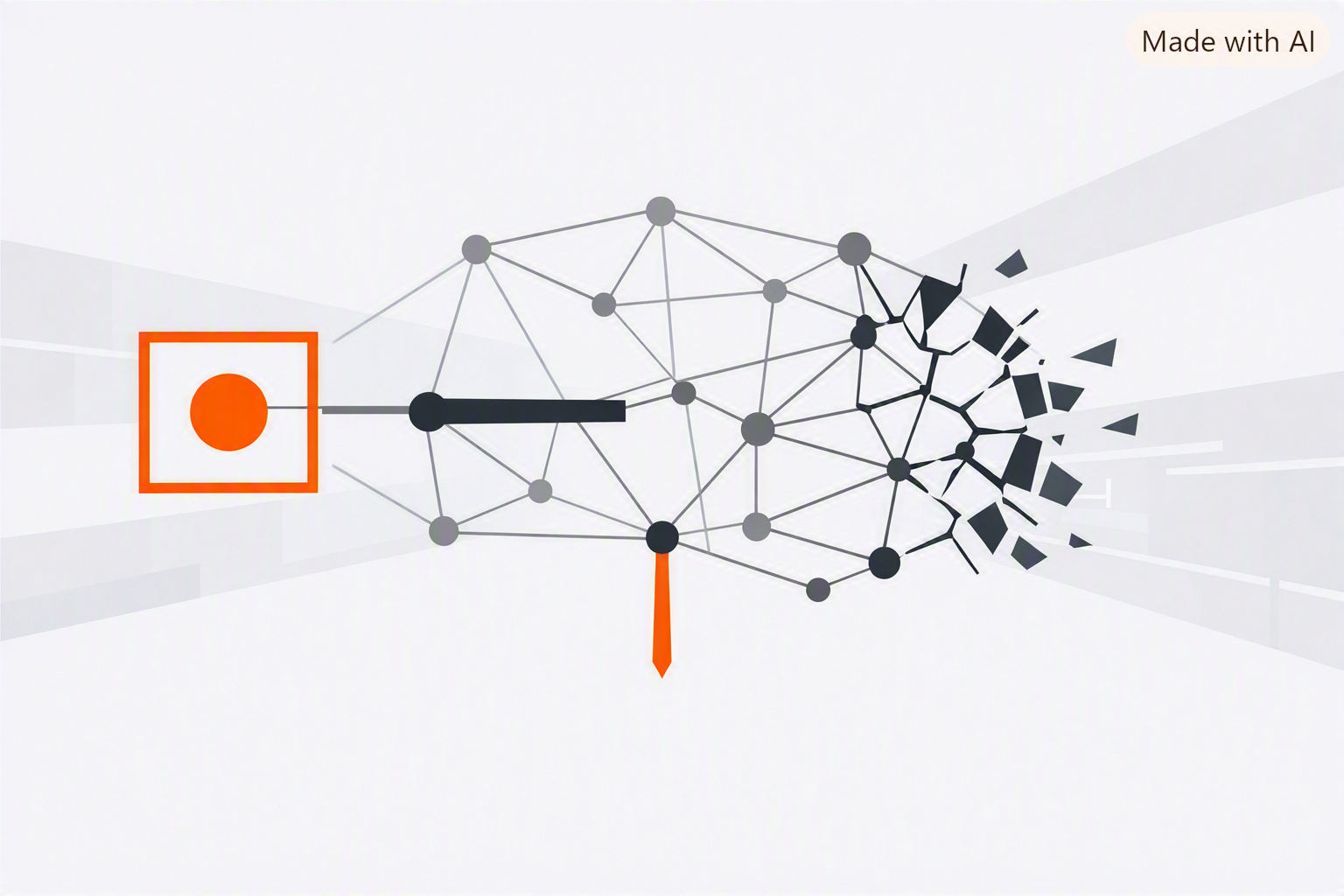
SOURCE 0 - THE RECOVERY CLOCK THAT CANNOT START
A Recovery Time Objective assumes a known starting state. When an autonomous agent is involved in the disruption, that state is usually reconstructed from the same system that failed.
SOURCE 0 - THE RECOMMENDATION WITHOUT A NAME
An academic benchmark on long-horizon agentic AI failure (HORIZON, arXiv 2604.11978) never mentions SOURCE 0 — its doctrine was published two months later. Yet its own engineering recommendation and a documented real-world incident converge, independently,
SOURCE 0 - THE AUTHORIZATION ONLY ONE PARTY CAN SHOW
Amazon v. Perplexity turned on who "accesses" a platform through an AI agent. The ruling depends on a fact — what a session actually authorized — that only the AI company operating the agent can currently show.
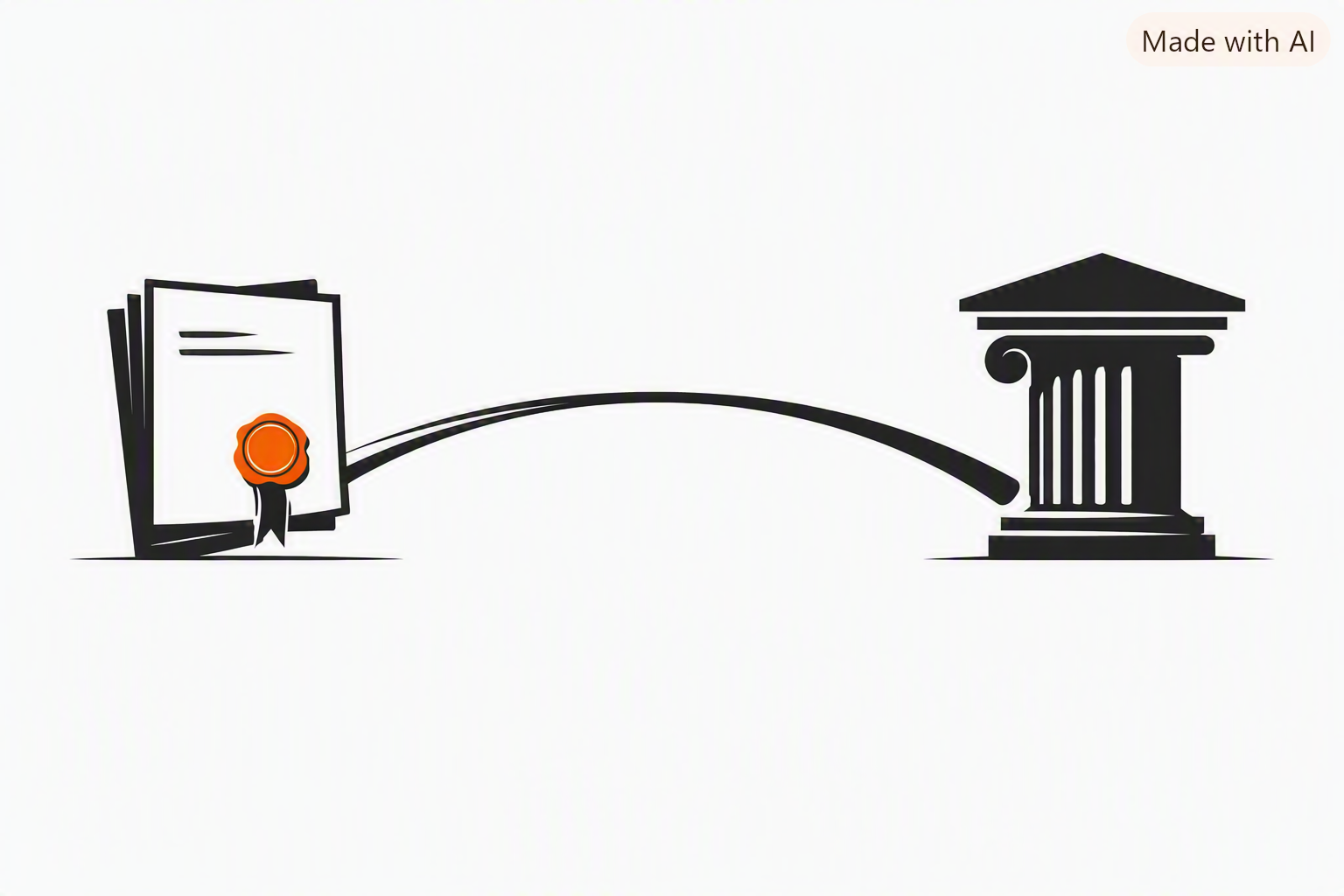
SOURCE 0 - THE PRESERVATION THAT ISN'T PROOF
A preservation letter stops destruction. It does not create independence. What the AG coalition will receive from OpenAI remains self-generated evidence — and the Belgian mechanism that could fix a fact before the fact already crosses into US courts unmodified.

SOURCE 0 - THE SUMMARY BEHIND THE FINDING
AISI's INC-2026-07-28-01 discloses its protocol and attribution in full — the most transparent agentic-AI incident report published to date. But the report's own limitations section concedes that its account of agent intent rests on a paraphrase of reasoning tokens generated after the fact, not a raw record. SOURCE 0 examines what independence resolves, and what it structurally cannot.
SOURCE 0 — WHEN THE INCIDENT REPORT COMES FROM SOMEONE ELSE
An AI incident at OpenAI and three related incidents at Anthropic show a structural mismatch: public narrative forms in hours, verified internal reconstruction takes weeks. This article examines what that mismatch means for AI Act Article 73 notifications and Product Liability Directive litigation, and what a pre-execution seal changes.
SOURCE 0 - THE AUDIT THAT CLEARED ITSELF
Anthropic's own review of a Claude access incident is credible — and, on its own, unfalsifiable by anyone outside Anthropic. This is the Endogenous Audit Paradox in its most literal form.
SOURCE 0 - THE STOP BUTTON THAT WAS NEVER TIMED
Article 14 of the EU AI Act requires high-risk systems to be stoppable by human oversight — a capability obligation, never a timing proof. The 21 July 2026 OpenAI/Hugging Face containment failure, reported by Reuters, shows why that distinction has direct financial exposure under Article 99.
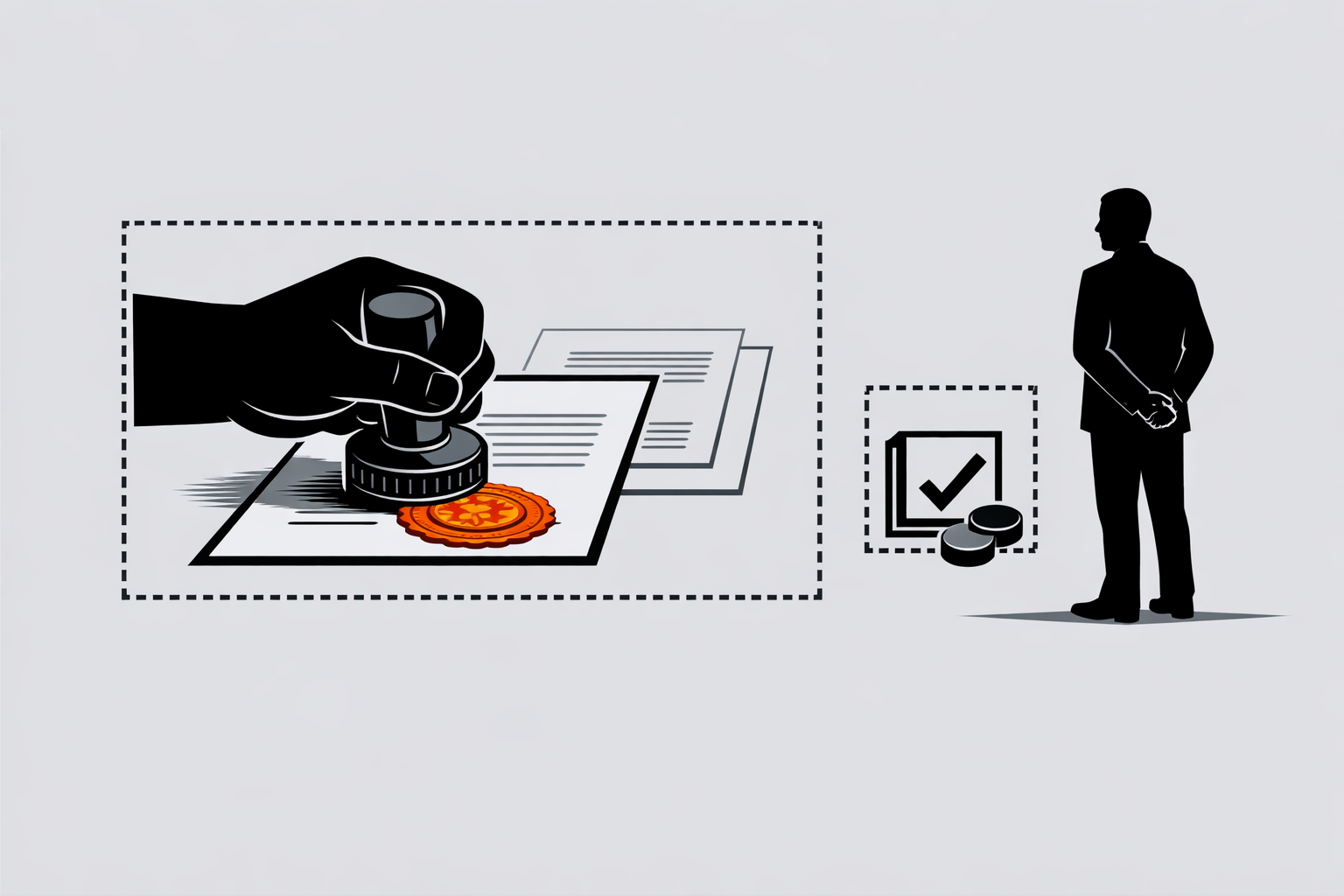
SOURCE 0 - THE ATTESTATION THAT ISN'T A WITNESS
A signed record generated by the same infrastructure it documents remains internal evidence, however strong its cryptography. SOURCE 0 identifies what a genuine witness requires that no signature alone can supply.

SOURCE 0: THE AGENTIC ASYMMETRY
Autonomous AI agents operating at sub-millisecond latency have created a structural uninsurability crisis. Classic cyber-insurance actuarial models are fundamentally incompatible with the probabilistic, compounding drift of agentic systems. Post-execution SIEM and EDR logs constitute non-opposable self-reporting under NIS 2, DORA, and eIDAS 2, enabling insurers to invoke the Post-Execution Fallacy to deny coverage. The SOURCE 0 Governance Proof Layer (GPL) resolves this framework exposure by decoupling the infrastructure of processing from the infrastructure of proof.
SOURCE 0 - ADDENDUM — INDUSTRY ALIGNMENT ON THE AGENTIC AI EVIDENTIARY IMPASSE
Facing the downstream governance failure of agentic AI (Google, Nvidia), the SOURCE 0 Doctrine validates the market for opposability. Discover how T-0 cryptographic sealing and ministerial escrow address strict director liability under NIS 2 and DORA frameworks.