
SOURCE 0 - THE REGULATION THAT FINALLY EXISTED
The Digital Omnibus deferral is no longer political. It is law, in force since 27 July 2026. What remains unprovable is what organisations knew and decided during the twenty-five days before that.
SOURCE 0 - THE WEEK BEFORE ARTICLE 50
With days remaining before Article 50's transparency obligations take effect, the question for a DPO, CISO, or AI compliance officer is no longer what the law requires. It is what can still be independently fixed about current practice before the deadline arrives.
SOURCE 0 - SANCTIONS WITHOUT PROOF OF DILIGENCE
Non-compliance with Article 50 of the AI Act falls under Article 99, paragraph 4, point (g) — up to 15 million euros or 3% of worldwide turnover. The actual amount depends on factors the operator must prove, not declare: measures implemented, absence of intent, cooperation. Without a sealing third party, these proofs remain produced by the very operator under investigation.
SOURCE 0 - SANCTIONS SANS PREUVE DE DILIGENCE
Le manquement à l'article 50 de l'AI Act relève de l'article 99, paragraphe 4, point g) — jusqu'à 15 millions d'euros ou 3 % du chiffre d'affaires. Le montant effectif dépend de facteurs que l'opérateur doit prouver, non déclarer : mesures mises en œuvre, absence d'intention, coopération. Sans tiers de scellement, ces preuves restent produites par l'opérateur poursuivi lui-même.

SOURCE 0 - THE GENERATION DATE ONLY THE GENERATOR CAN CLAIM
The Commission's Article 50 Guidelines confirm that AI-generated content produced before 2 August 2026 escapes retroactive marking — unless published afterward, when the full obligation returns. This article sets out why the generation date at the centre of that rule is a claim, not a fact, and what an independent seal would add.

SOURCE 0 - PROVING WHEN A DISCLOSURE OCCURRED
A system log with a timestamp is not proof that a disclosure happened when an organisation says it did — it is a claim the organisation itself generated and controls. This article sets out, in general terms, what a record actually needs before it can function as independent proof of timing.

SOURCE 0 - DISCLOSURE DUTY IS NOT PROOF DUTY
Article 50 tells you what to disclose. It says nothing about proving when you disclosed it — and that silence is where liability actually lives.
SOURCE 0 - WHAT ARTICLE 50 REQUIRES YOU TO DISCLOSE
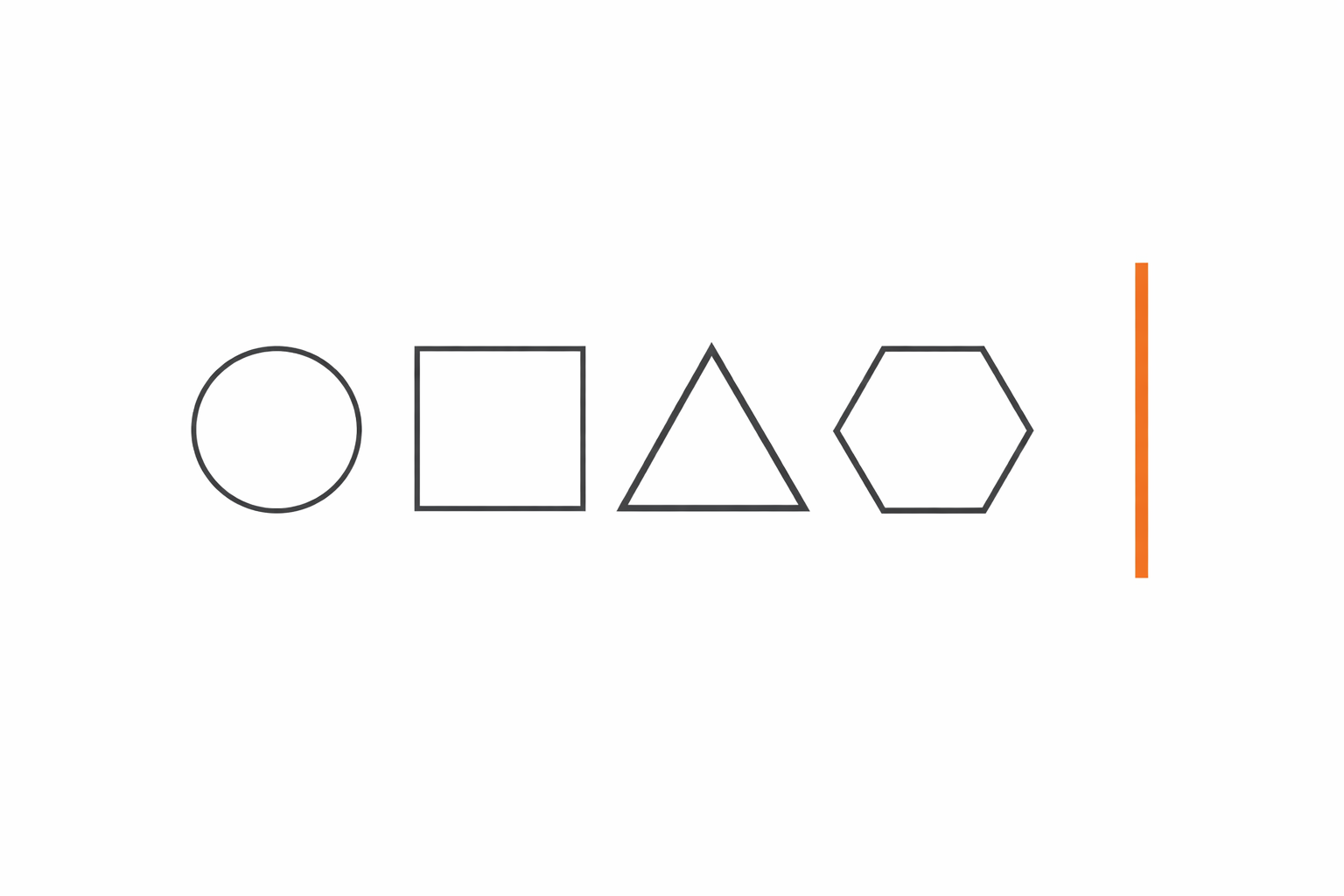
Article 50 of the AI Act does not impose one transparency duty but four, each attached to a different system function and a different actor. This article sets out the content of each obligation, independent of the separate question of how disclosure is proven, and states the current position of the Digital Omnibus deferral as of 13 July 2026.

SOURCE 0 - THE ARTICLE 50 DISCLOSURE GAP
Article 50 of the AI Act requires disclosure that a person is interacting with an AI system. It does not require proof that the disclosure preceded the interaction. This article states the current status of the Digital Omnibus on AI as of 12 July 2026 and sets out the pre-execution attestation mechanism that closes the resulting evidentiary gap.
SOURCE 0 - THE ARTICLE 50 DISCLOSURE GAP
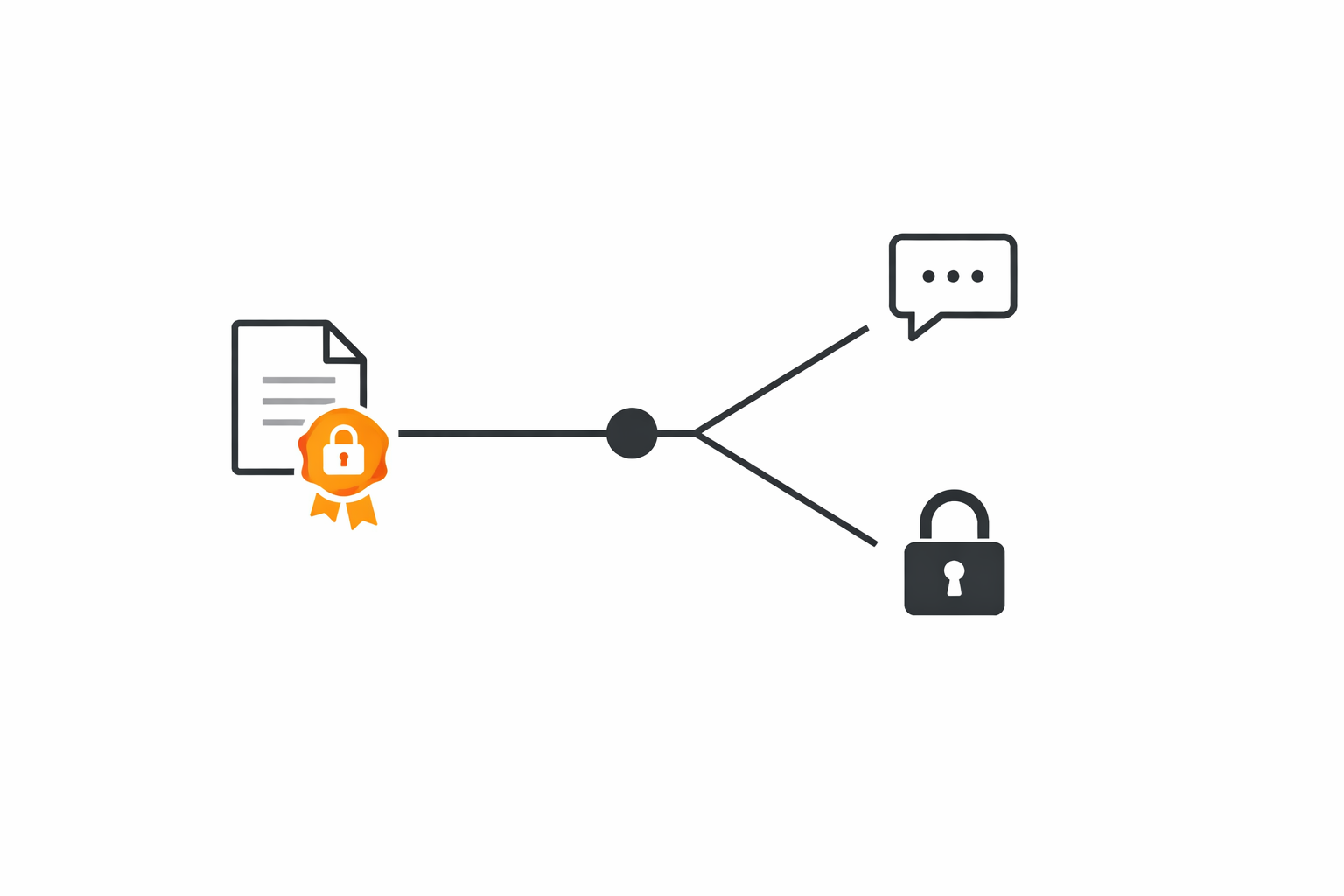
From 2 August 2026, Article 50 requires disclosure that a person is interacting with an AI system. This deadline is unaffected by the Digital Omnibus deferral of Articles 9-15. SOURCE 0 seals the disclosure configuration before the interactions it governs.