

SOURCE 0 - THE DETERMINATION THAT CHANGED SYSTEMS MID-CASE
Well over one hundred federal claims against Roblox are centralized in MDL No. 3166. The age-determination mechanism the claims depend on was not the same throughout the conduct period. Discovery can compel records — it cannot retroactively convert them into the independent, contemporaneous fixation they were never built to contain.
SOURCE 0 - THE DETERMINATION THE META TRIAL CANNOT PRODUCE
The federal trial pitting 29 states against Meta, opened August 18, 2026, surfaces a structural evidentiary gap: whether an independently fixed determination record from an internal detection system exists at all. A doctrinal analysis, taking no position on the trial's outcome.
SOURCE 0 - THE RECOVERY CLOCK THAT CANNOT START
A Recovery Time Objective assumes a known starting state. When an autonomous agent is involved in the disruption, that state is usually reconstructed from the same system that failed.
SOURCE 0 - THE SAMPLE THAT WAS NEVER DRAWN
An AI evaluation infrastructure built on billions of synthetic persona records reports a high adherence rate — proof the model can play an assigned role. Article 10 of the AI Act asks whether the declared population is representative of real users, and who, independent of the producer, can confirm it. This article examines the gap between the two.
SOURCE 0 — WHEN THE INCIDENT REPORT COMES FROM SOMEONE ELSE
An AI incident at OpenAI and three related incidents at Anthropic show a structural mismatch: public narrative forms in hours, verified internal reconstruction takes weeks. This article examines what that mismatch means for AI Act Article 73 notifications and Product Liability Directive litigation, and what a pre-execution seal changes.

SOURCE 0 - INDEPENDENT EVALUATION IS NOT OPPOSABLE PROOF
The CeSIA-led coalition's call for mandatory independent evaluation of general-purpose AI models correctly identifies who should assess these systems. It leaves open a separate question: once produced, can the evaluation record itself survive adversarial contestation, or does it remain alterable by any party with a later interest in what it says.

SOURCE 0 - THE DORA NOTIFICATION PARADOX
DORA requires a bank to prove when it became aware of an incident and when it classified it as major — the two instants a regulator disputes most. Both are written exclusively by the bank itself. This article examines why TLPT, Article 6 internal audit, and third-party oversight do not supply an independent witness to either instant, and what a pre-execution, third-party-deposited fixation adds to the DORA timeline.
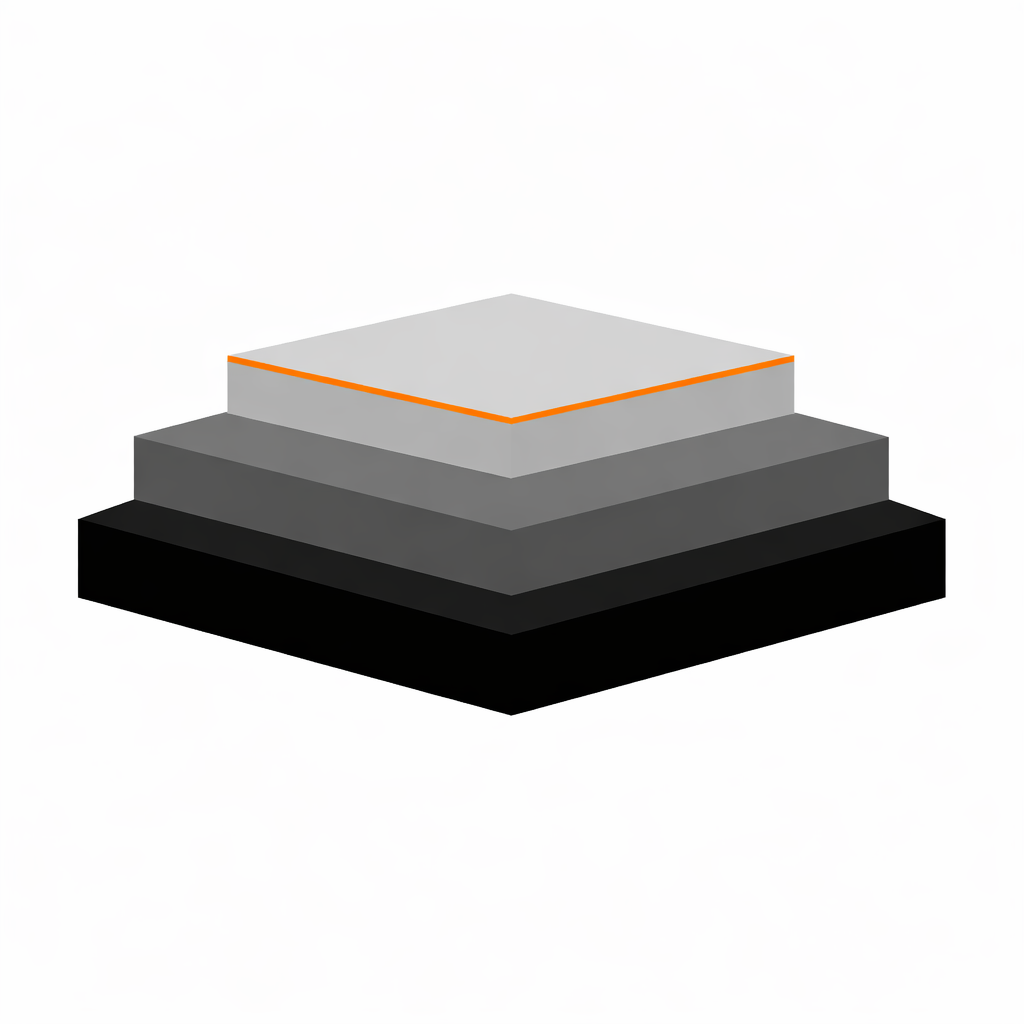
SOURCE 0 - THREE LEVELS OF DIGITAL EVIDENCE, AND WHY MOST ARCHITECTURES STOP AT THE SECOND
Digital evidence architectures fall into three levels — self-declared certification, third-party technical fixation, and independent judicial deposit — each answering a different question. Most current architectures stop at the second.
SOURCE 0 - THE LOG-AS-CLAIM PROBLEM
An AI system's own log of its own decision is a claim made by the party under scrutiny, not evidence independent of that party. This article sets out why self-generated records, and self-issued certification declarations, occupy a different evidentiary position than records fixed and deposited independently of the party they concern.