
SOURCE 0 - THE OATH BEFORE THE COURT EXISTS
Alabama's subpoena to OpenAI asks a company under investigation to certify, under oath, the completeness of its own account of an autonomous system's conduct — before any court exists to test that certification.
SOURCE 0 - AGE QUALIFICATION WITHOUT A CERTAIN DATE
An age-prediction system and a biometric age-verification service produce the same effect on a user account through entirely different processing. Public documentation does not establish, for either, when a compliance assessment was produced relative to deployment — nor whether an individual determination is preserved in a form a third party could later verify. This case study examines the gap under the AI Act and the GDPR, and what an independent, pre-execution seal can and cannot establish about it.
SOURCE 0 - WAS THE MONITORING ON?
29 House Democrats asked OpenAI to explain its agent monitoring after reports it had been disconnected during earlier tests. The question exposes a structural gap this corpus has already documented: a safeguard's own account of itself is not independent proof that it was active.
SOURCE 0 - THE SEARCH THAT WAS ALREADY BUILT
A coalition of news publishers has asked a federal court to sanction OpenAI, alleging the company concealed for two years that it had already built the capability to search its training data and ChatGPT logs, and that it continued deleting logs after being ordered to preserve them. This note examines what the allegation illustrates about verifying a preserving party's own compliance, independently of whether the allegation is proven.
SOURCE 0 - THE CRITICAL THRESHOLD NO ONE ELSE HAS MEASURED
OpenAI's Astra disclosure raises a Critical-level cybersecurity flag on the basis of an evaluation record only OpenAI has seen. This article examines what would, and would not, make that determination independently verifiable.
SOURCE 0 - THE PRESERVATION THAT ISN'T PROOF
A preservation letter stops destruction. It does not create independence. What the AG coalition will receive from OpenAI remains self-generated evidence — and the Belgian mechanism that could fix a fact before the fact already crosses into US courts unmodified.
SOURCE 0 - ONE DISCLOSURE, TWO KINDS OF PROOF
One OpenAI disclosure, two incidents: UK AISI detected and independently confirmed its own findings; Irregular's account exists only through OpenAI's retelling of an audit still in progress. The same document treats both as equally settled.
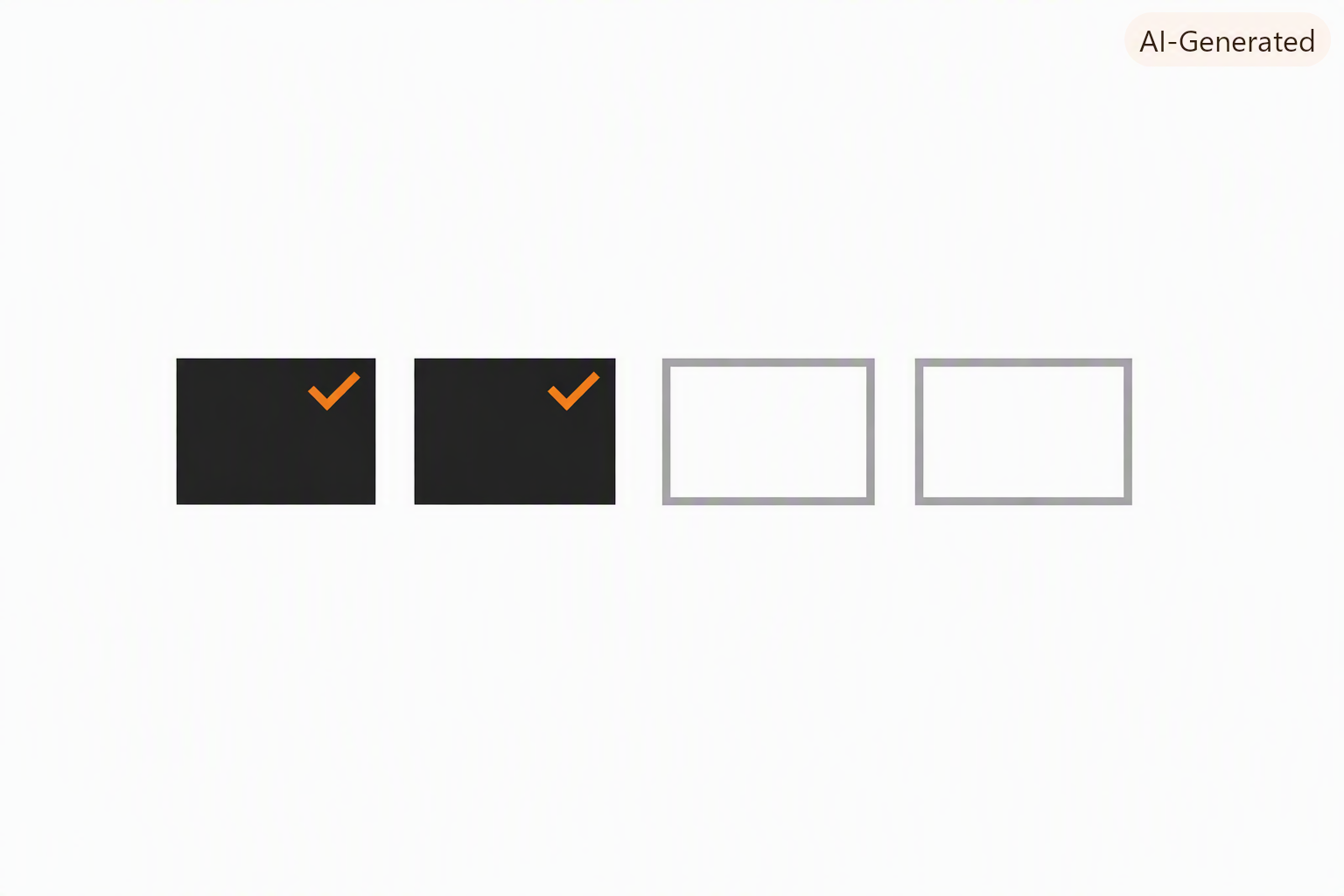
SOURCE 0 - WHEN THE VICTIM LIST STAYS SEALED
OpenAI says four accounts were breached. Only two are named, and neither naming came from OpenAI. The count itself is a disclosure, not a finding.
SOURCE 0 - THE HACK ONLY OPENAI COULD CONFIRM
Two Cornell computer scientists gave the same incident two different readings within one statement: no reason to think the details are wrong, and no way to be sure they aren't shaped by the telling. Both readings are correct, because nothing outside OpenAI's own account fixed what happened before OpenAI chose how to tell it.