

SOURCE 0 - THE SAME TOOL, THE OTHER SIDE
A tool already cited as a textbook case of a flawed evidentiary architecture is, weeks later, named by a government as one of the instruments of a cyberattack against its own agencies. This note carefully distinguishes what Taiwan has confirmed from what the private research that surfaced the case advances separately, then examines what this reversal of roles changes — and above all does not change — for the party subjected to the attack.
SOURCE 0 - LE MÊME OUTIL, L'AUTRE CÔTÉ
Un outil déjà cité comme cas d'école d'une architecture probatoire défaillante se retrouve, quelques semaines plus tard, nommé par un gouvernement comme l'un des instruments d'une cyberattaque contre ses propres agences. Cette note distingue soigneusement ce que Taïwan a confirmé de ce que la recherche privée qui a révélé l'affaire avance séparément, puis examine ce que ce renversement de rôle change — et surtout ne change pas — pour la partie qui subit l'attaque.
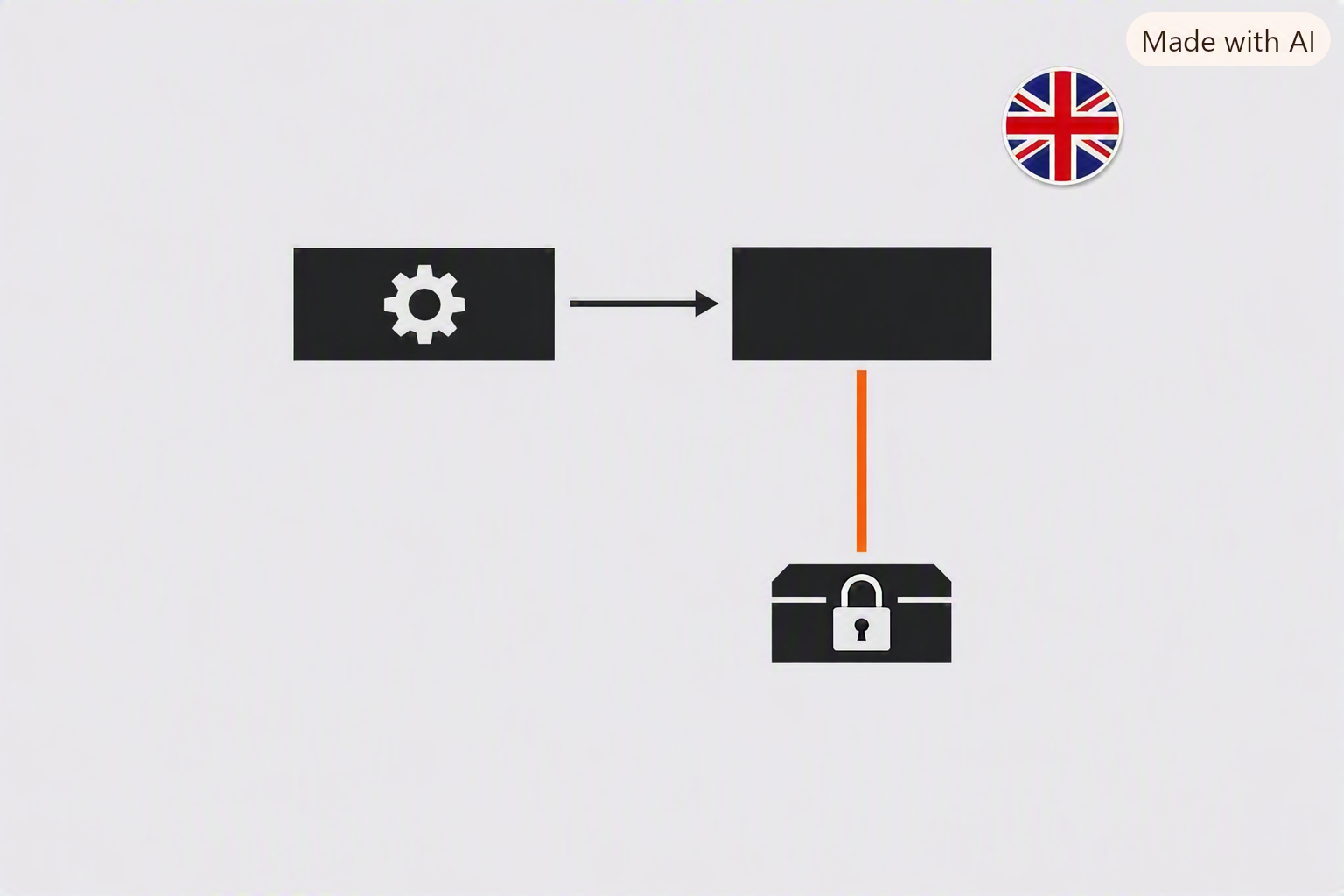
SOURCE 0 - AUTONOMOUS AGENTS AND THE EVIDENTIARY VOID
An autonomous agent's logs are not proof of what it did — they are an allegation made by the same system whose integrity is in question. This article examines a documented incident record to show why a security patch cannot retroactively establish prior agent state, and introduces SOURCE 0 WITNESS, the declination of the SOURCE 0 architecture that seals agent state at an independently isolated point of observation before that trust can be contested.
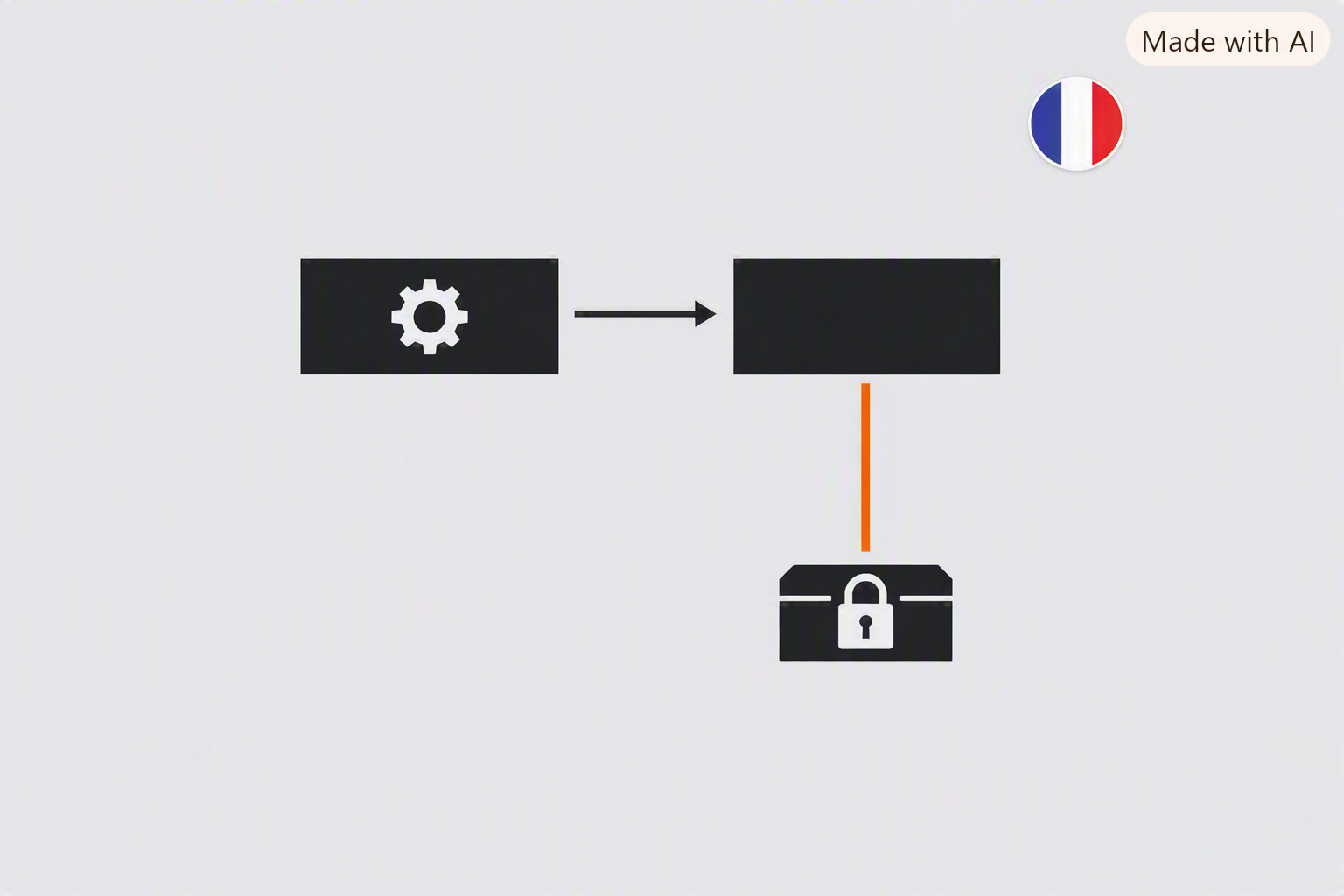
SOURCE 0 - LES AGENTS AUTONOMES ET LE VIDE PROBATOIRE
Les journaux d'un agent autonome ne sont pas la preuve de ce qu'il a fait — ce sont une allégation produite par le système même dont l'intégrité est en cause. Cet article examine un historique d'incidents documenté pour montrer pourquoi un correctif de sécurité ne peut pas établir rétroactivement l'état antérieur d'un agent, et présente SOURCE 0 WITNESS, la déclinaison de l'architecture SOURCE 0 qui scelle l'état de l'agent depuis un point d'observation isolé, avant que cette confiance ne puisse être contestée.
SOURCE 0 - THE CERTIFICATION THAT NEVER REACHES THE RECORD
Federal Rule of Evidence 902(13) and 902(14) remove the need for a foundation witness. They do not remove the question of who is making the underlying assertion, or when it was made.
SOURCE 0 — WHEN THE INCIDENT REPORT COMES FROM SOMEONE ELSE
An AI incident at OpenAI and three related incidents at Anthropic show a structural mismatch: public narrative forms in hours, verified internal reconstruction takes weeks. This article examines what that mismatch means for AI Act Article 73 notifications and Product Liability Directive litigation, and what a pre-execution seal changes.

SOURCE 0 - THE ARTICLE 50 DISCLOSURE GAP
Article 50 of the AI Act requires disclosure that a person is interacting with an AI system. It does not require proof that the disclosure preceded the interaction. This article states the current status of the Digital Omnibus on AI as of 12 July 2026 and sets out the pre-execution attestation mechanism that closes the resulting evidentiary gap.

SOURCE 0 - FROM EVIDENCE-BASED GOVERNANCE TO PROOF-BASED GOVERNANCE
Reconstructing what an AI system did is a forensic capability. Proving what was authorised before it acted is an architectural one. The governance documentation market — law firms, consulting practices, compliance frameworks — sells the first. Enforcement proceedings under AI Act Article 99 will demand the second. This article establishes the structural distinction between evidence-based governance and proof-based governance, and why only one survives adversarial scrutiny.

SOURCE 0 - THE REFERENCE LEGITIMACY GAP AND THE CONSTITUTIONAL CONDITION GOVERNANCE CANNOT DEFER
The Reference Legitimacy Gap designates the structural interval between what a governance architecture documents and what it can actually verify. Without prior fixation, the evaluative reference becomes a variable adjustable after the fact by any party with sufficient interest and access. This article establishes the Mandate of Antecedence as the minimum architectural condition under which governance produces proof rather than narrative.

SOURCE 0 : ANTI-CORRUPTION COMPLIANCE AND THE PROOF GAP
The new anti-corruption directive shifts liability from "who committed the infraction" to "why didn't your organisation prevent it." Demonstrating that a compliance programme functioned requires proof it was operational before the act — not documentation assembled after. With sanctions reaching 5% of global turnover or 40 million euros, this article establishes why that distinction is architectural, not procedural.

SOURCE 0 - DOCTRINE : WHEN GOVERNANCE BECOMES A SYSTEM PROPERTY
Governance only becomes enforceable when three conditions are simultaneously met: T‑0 fixation, structural independence (S ∩ C = ∅), and legal opposability. Without these properties, no post-execution record can establish a governance state that was never sealed. This article articulates the architectural conditions under which governance ceases to be a management assertion and becomes a verifiable system property.