

SOURCE 0 - THE OATH BEFORE THE COURT EXISTS
Alabama's subpoena to OpenAI asks a company under investigation to certify, under oath, the completeness of its own account of an autonomous system's conduct — before any court exists to test that certification.
SOURCE 0 - WAS THE MONITORING ON?
29 House Democrats asked OpenAI to explain its agent monitoring after reports it had been disconnected during earlier tests. The question exposes a structural gap this corpus has already documented: a safeguard's own account of itself is not independent proof that it was active.
SOURCE 0 - THE SEARCH THAT WAS ALREADY BUILT
A coalition of news publishers has asked a federal court to sanction OpenAI, alleging the company concealed for two years that it had already built the capability to search its training data and ChatGPT logs, and that it continued deleting logs after being ordered to preserve them. This note examines what the allegation illustrates about verifying a preserving party's own compliance, independently of whether the allegation is proven.
SOURCE 0 - THE RECORD THIS DISCOVERY ORDER DID NOT CREATE
A federal court has ordered UnitedHealth to hand over two years of records on nH Predict, the AI tool at the center of a Medicare Advantage coverage-denial lawsuit — while explicitly declining to decide, at this stage, whether the tool made the decisions plaintiffs allege it made. This note examines what a discovery order of this breadth can and cannot establish, and why the same structural gap runs through comparable disputes involving other insurers.
SOURCE 0 - THE SAME TOOL, THE OTHER SIDE
A tool already cited as a textbook case of a flawed evidentiary architecture is, weeks later, named by a government as one of the instruments of a cyberattack against its own agencies. This note carefully distinguishes what Taiwan has confirmed from what the private research that surfaced the case advances separately, then examines what this reversal of roles changes — and above all does not change — for the party subjected to the attack.
SOURCE 0 - AUTONOMOUS AGENTS AND THE EVIDENTIARY VOID
An autonomous agent's logs are not proof of what it did — they are an allegation made by the same system whose integrity is in question. This article examines a documented incident record to show why a security patch cannot retroactively establish prior agent state, and introduces SOURCE 0 WITNESS, the declination of the SOURCE 0 architecture that seals agent state at an independently isolated point of observation before that trust can be contested.
SOURCE 0 - THE CHECK THAT LEFT NO RECORD
Georgia's Supreme Court sanctioned a prosecutor for fabricated AI citations and vacated a trial court order tainted by the same errors — then made clear a policy against it isn't proof it was followed. SOURCE 0 examines the gap.
SOURCE 0 - THE UNDECLARED COMPONENT
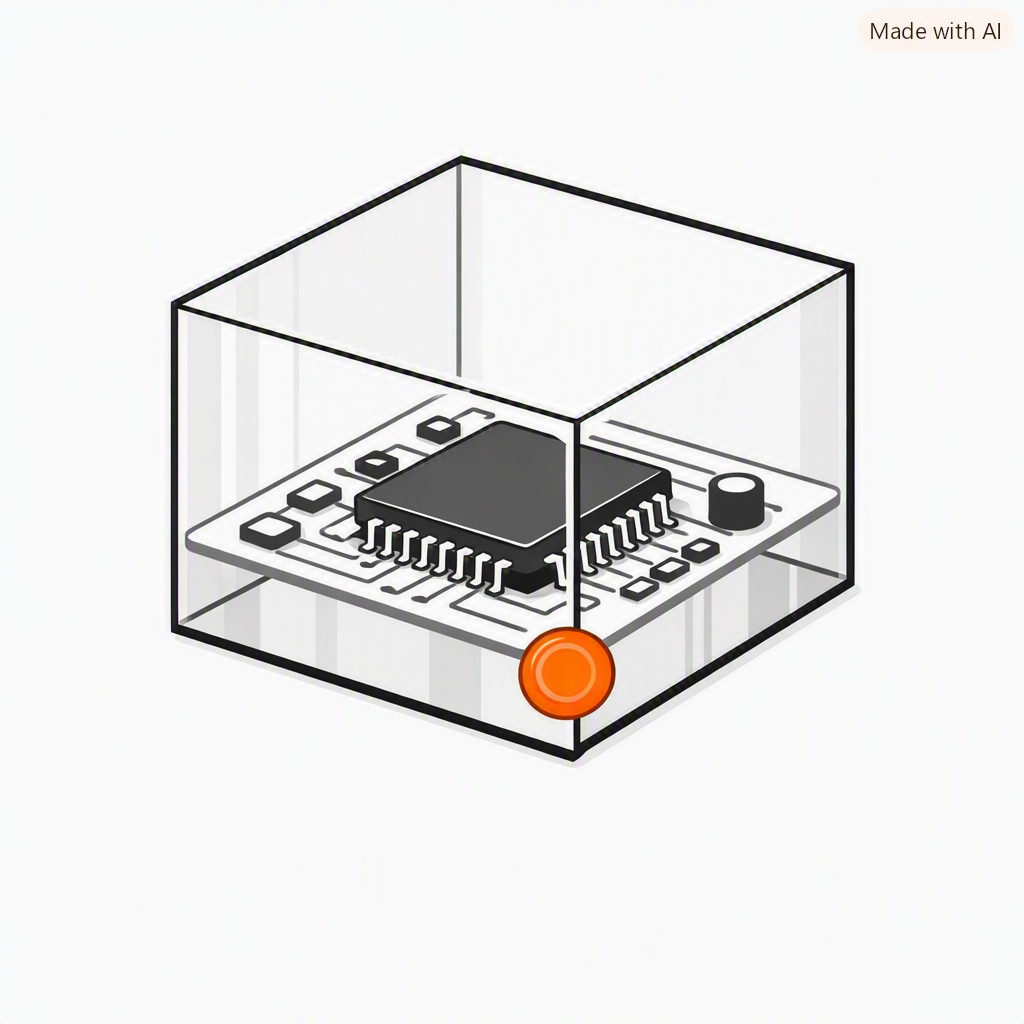
Undisclosed communication modules found in Chinese-made solar inverters expose a structural gap in NIS 2 Article 21 supply chain security: entities take supplier declarations into account, but nothing fixes what was declared before the component is deployed. SOURCE 0 seals that declaration at the point of procurement.
SOURCE 0 - THE SECOND GLANCE NO ONE CAN VERIFY
Background-agent architectures promise to fix low AI adoption by moving humans to occasional review. That review becomes the sole surviving record of human diligence — and nothing currently proves it happened.
SOURCE 0 - THE NEXT ITSME IS A PROOF LAYER, NOT AN APP
Geert Van Mol's call for sector-wide ambition on phishing echoes what itsme achieved for authentication. SOURCE 0 examines the layer itsme was never built to cover — proving what was actually instructed, not just who was logged in.
SOURCE 0 - THE AUTHORIZATION ONLY ONE PARTY CAN SHOW
Amazon v. Perplexity turned on who "accesses" a platform through an AI agent. The ruling depends on a fact — what a session actually authorized — that only the AI company operating the agent can currently show.
SOURCE 0 - THE MONITOR THE COURT DECLINED TO APPOINT
A New Mexico court reasoned its way to leaving Meta's compliance self-reported — a deliberate choice, not an oversight. This article examines the evidentiary structure that leaves in place.
SOURCE 0 - REGULATION IS NOT PROOF
Trump's remarks on AI regulation, Texas data centers, and China all argue about how much to regulate. None of them reach the separate question of how compliance is proven — a gap NIST's guidelines and Texas's own audit both share.
SOURCE 0 - THE PRECAUTION NO ONE CAN DATE
Reuters mapped the US liability landscape for rogue AI agents. This article examines the EU mirror — the withdrawn AI Liability Directive, Belgian fault law, and the evidentiary gap common to every version of the standard.
SOURCE 0 - THE CRITICAL THRESHOLD NO ONE ELSE HAS MEASURED
OpenAI's Astra disclosure raises a Critical-level cybersecurity flag on the basis of an evaluation record only OpenAI has seen. This article examines what would, and would not, make that determination independently verifiable.
SOURCE 0 - THE AUDIT TRAIL THAT REPLACED THE SEAL
WORM storage made a record impossible to alter once written. In 2022, the SEC added an alternative that lets a firm's own system log the alterations instead — and verify itself.
SOURCE 0 - THE CERTIFICATION THAT NEVER REACHES THE RECORD
Federal Rule of Evidence 902(13) and 902(14) remove the need for a foundation witness. They do not remove the question of who is making the underlying assertion, or when it was made.
SOURCE 0 - THE INTERVAL NEITHER COURT WOULD PRESUME
Both parties in Lorraine v. Markel lost their motions for the same reason: neither had authenticated their own e-mails. The court that decision leaned on identified the real question — not how a record was created, but what happened to it afterward.
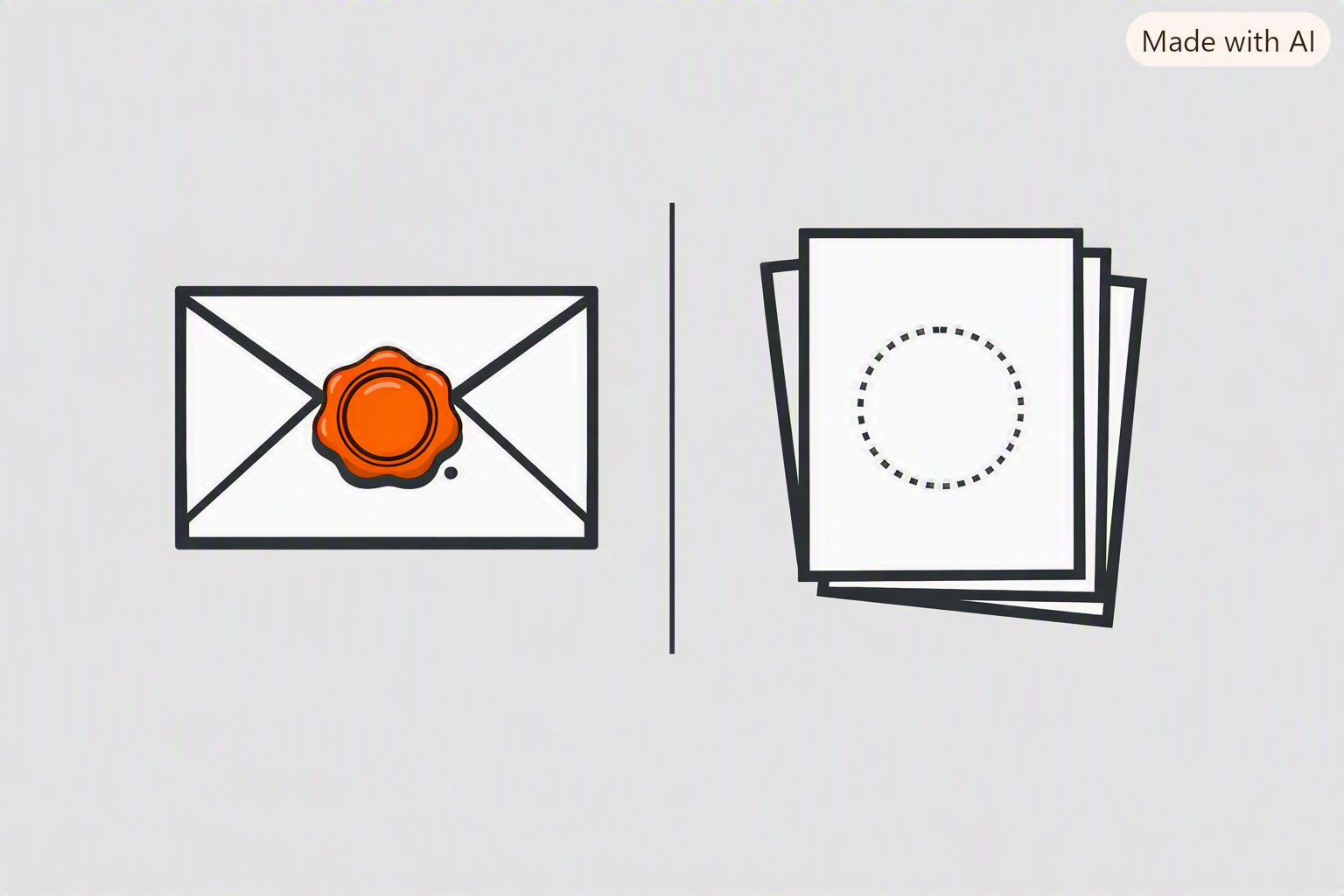
SOURCE 0 - THE SEAL THAT NEVER TOUCHES THE EVIDENCE
From 18 August 2026, EU judicial authorities can order any service provider — including AI companies — to produce or preserve electronic evidence within days. The regulation requires a qualified eIDAS seal on the order. It requires nothing of the kind on the evidence itself, and says so in its own recitals.
SOURCE 0 - THE REGISTRY NOBODY HAD TO INVENT
AI governance keeps reaching for nuclear and chemical weapons treaties when it looks for a verification precedent. A lighter, working version has run since 1965: Articles 6 and 7 of the Hague Apostille Convention bind a certifying authority, distinct from the officer whose act it certifies, to answer any interested party — no standing required, no exception.