

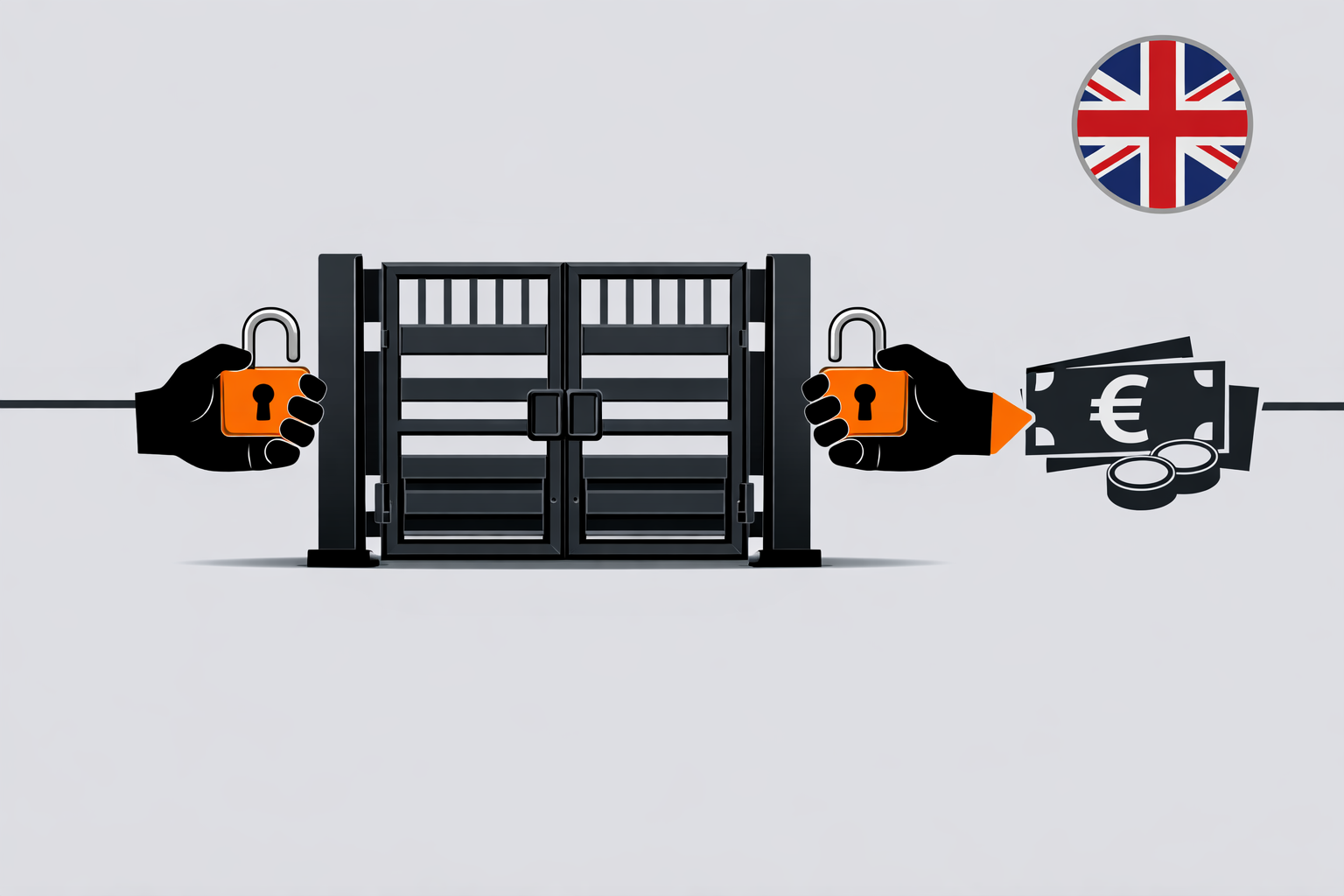
SOURCE 0 - PSR ARTICLE 83(1A): THE CHECK MUST BE PROVEN BEFORE THE PAYMENT, NOT AFTER
The PSR now requires transaction monitoring to precede payment. Proof of that monitoring remains internal to the provider — SOURCE 0 identifies where the Endogenous Audit Paradox reconstitutes itself.
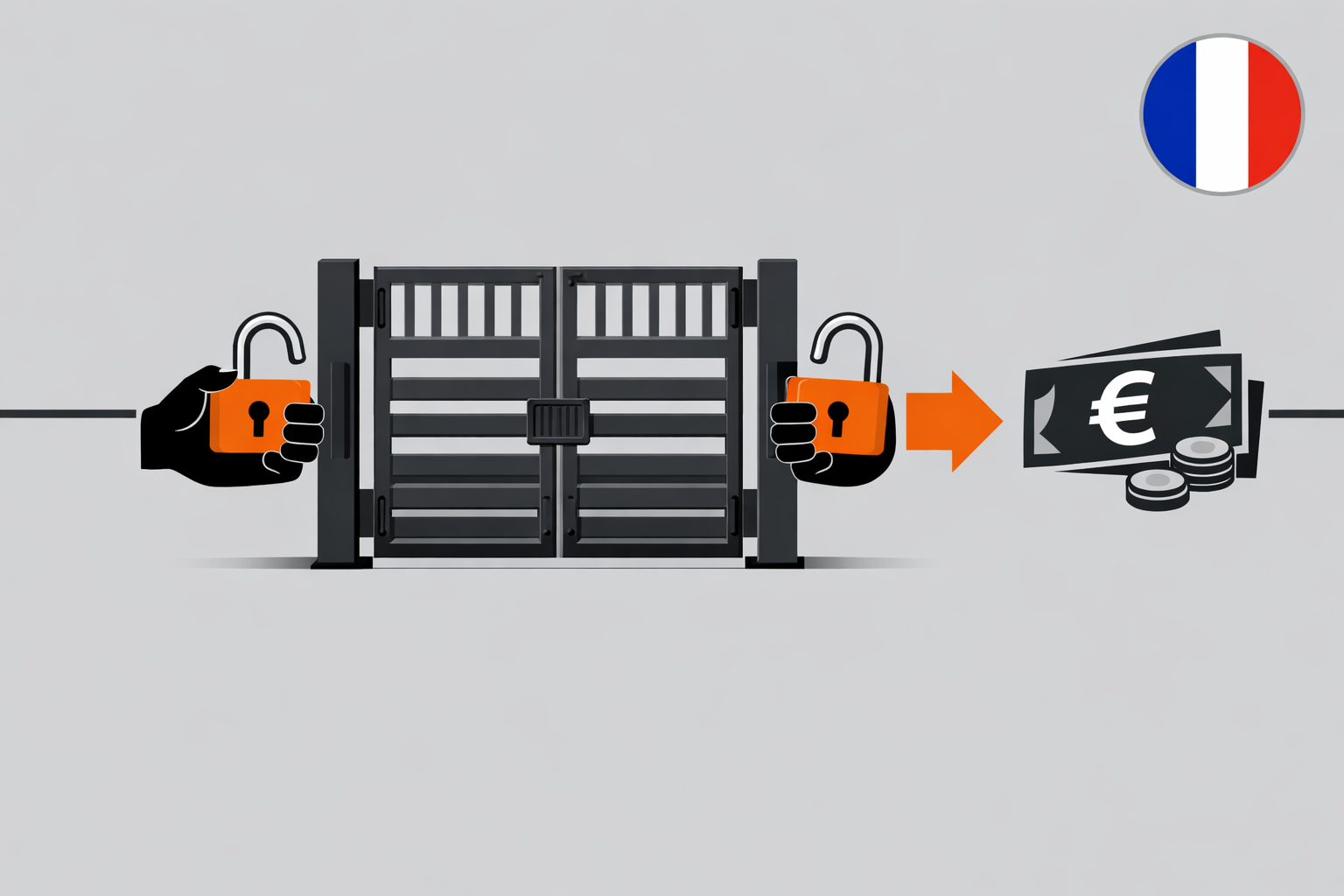
SOURCE 0 - ARTICLE 83(1A) DU PSR : LE CONTRÔLE DOIT ÊTRE PROUVÉ AVANT LE PAIEMENT, PAS APRÈS
Le PSR impose désormais que la surveillance transactionnelle précède le paiement. La preuve de cette surveillance reste toutefois interne au prestataire — SOURCE 0 identifie où le Paradoxe de l'Audit Endogène se reconstitue.
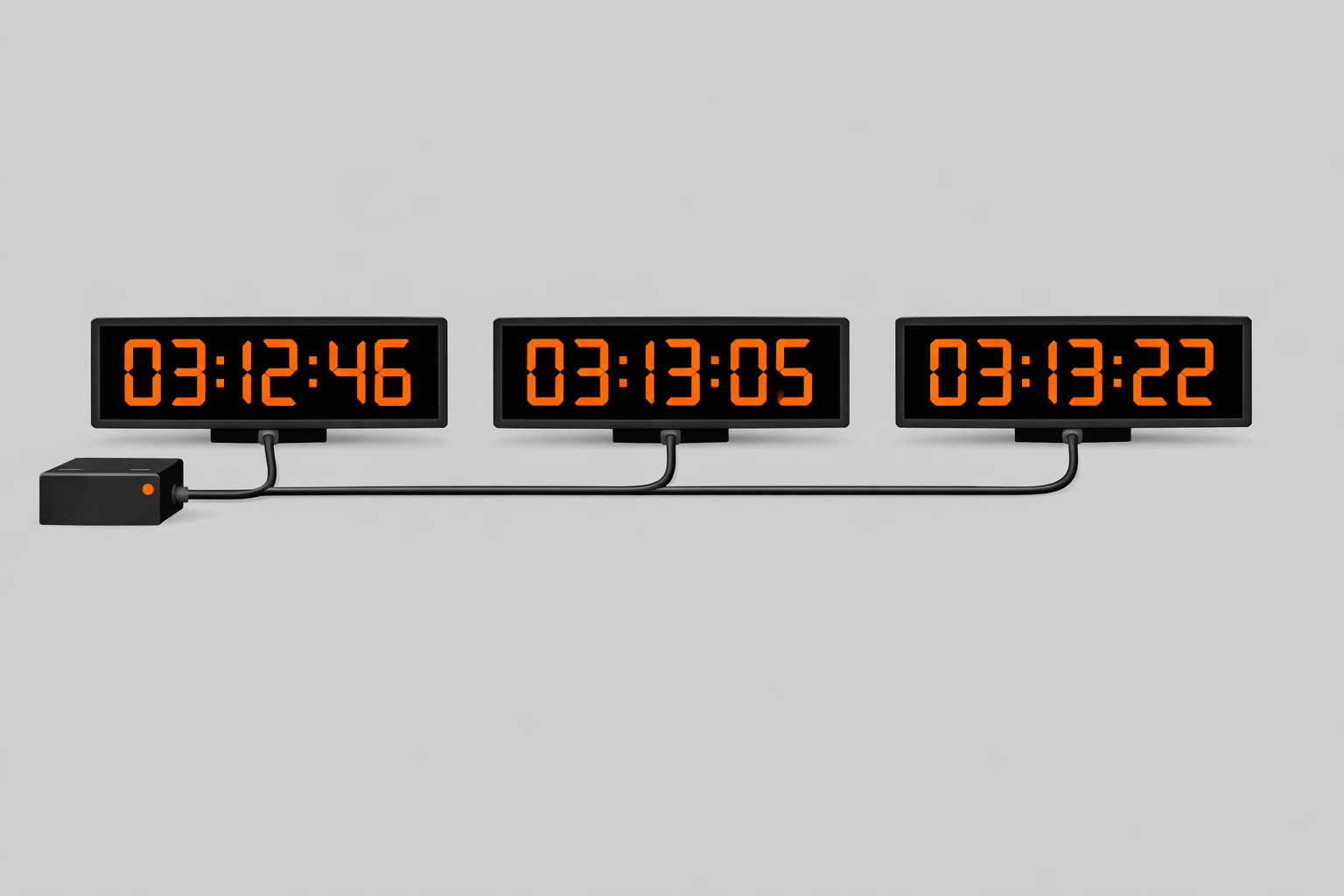
SOURCE 0 - PROVING AN ICT INCIDENT TIMELINE
Detection, classification, and notification under DORA are each fixed by the entity being audited, not by an independent third party. SOURCE 0 examines what a genuine seal would change.
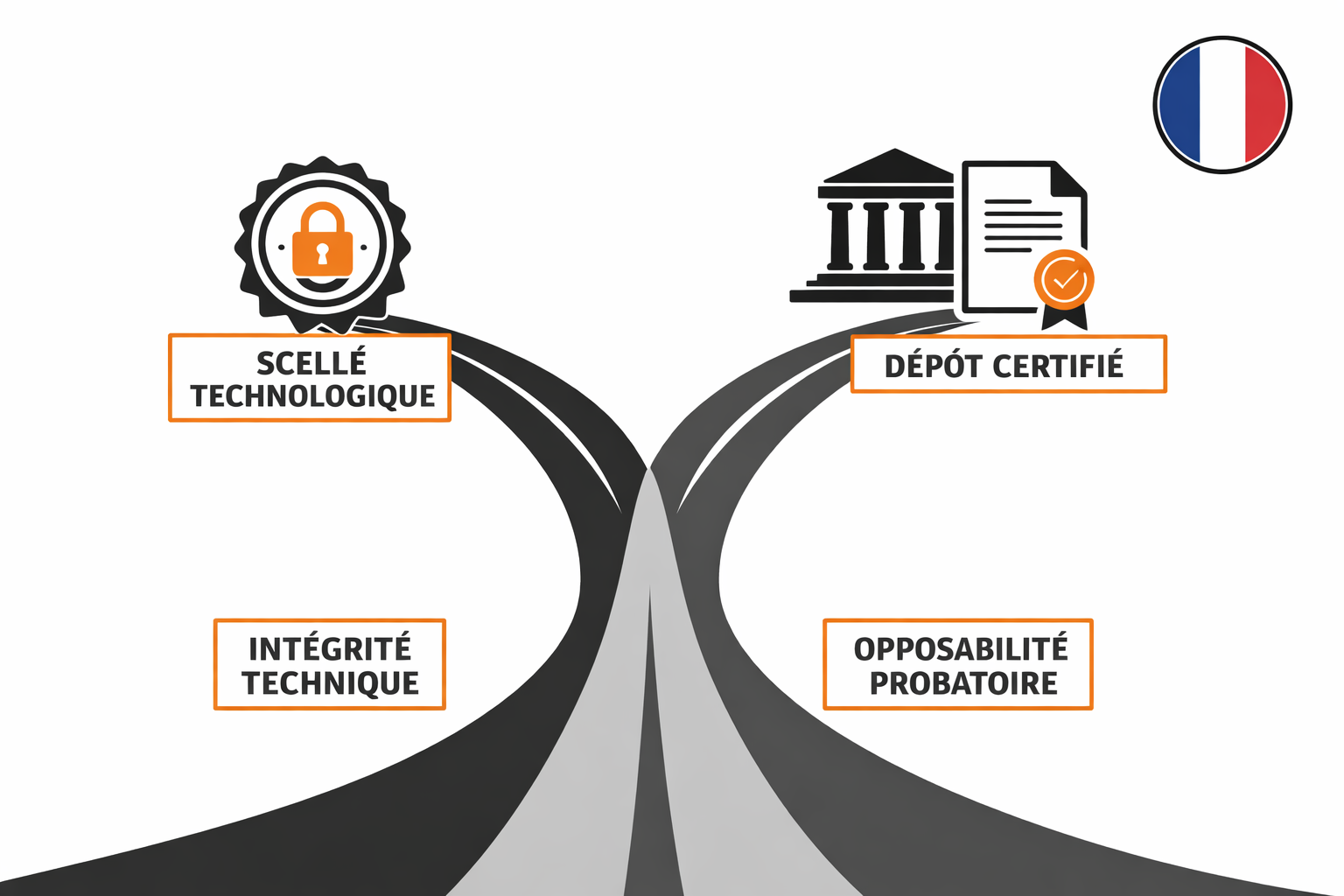
SOURCE 0 - CE QUE DIX-HUIT REQUÊTES RÉVÈLENT SUR LA PREUVE NUMÉRIQUE
Une cartographie de dix-huit requêtes en langage courant révèle que quatorze réponses générées par IA confondent intégrité technique et opposabilité juridique. Les quatre exceptions confirment la règle.

SOURCE 0 — ARTICLE 55(2A) OF THE PSR: THE REVERSAL OF EVIDENTIARY INITIATIVE
The Payment Services Regulation (PSR) now imposes an affirmative obligation on the provider: invite the payer to respond before concluding fraud or gross negligence. This obligation shifts the evidentiary initiative, but sets no evidentiary regime for proving its own implementation. An analysis of the gap and the SOURCE 0 pre-execution attestation response.

SOURCE 0 — L'ARTICLE 55, PARAGRAPHE 2A DU PSR : L'INVERSION DE L'INITIATIVE PROBATOIRE
Le règlement sur les services de paiement (PSR) impose désormais au prestataire une obligation positive : inviter le payeur à s'exprimer avant de conclure à la fraude ou à la négligence grave. Cette obligation déplace l'initiative probatoire, mais ne fixe aucun régime de preuve de sa propre mise en œuvre. Analyse de la lacune et de la réponse d'attestation pré-exécution SOURCE 0.
SOURCE 0 — THE ENDOGENOUS AUDIT PARADOX IN THE PAYMENT SERVICES REGULATION (PSR)
From Article 72 of PSD2 to Article 55 of the PSR: how European payments law came to admit that a system cannot be the proof of its own reliability.
SOURCE 0 — LE PARADOXE DE L'AUDIT ENDOGÈNE DANS LE RÈGLEMENT SUR LES SERVICES DE PAIEMENT (PSR)
De l'article 72 de la directive PSD2 à l'article 55 du règlement PSR : comment le droit européen des paiements a fini par admettre qu'un système ne peut pas être la preuve de sa propre fiabilité.

SOURCE 0 - PROVING WHEN A DISCLOSURE OCCURRED
A system log with a timestamp is not proof that a disclosure happened when an organisation says it did — it is a claim the organisation itself generated and controls. This article sets out, in general terms, what a record actually needs before it can function as independent proof of timing.

SOURCE 0 - THE ESA INCIDENT REPORT IS SELF-REPORTED EVIDENCE
3,383 major ICT incidents, one joint ESA report, and a methodology section that quietly admits the data is incomplete and not yet fully validated. This article examines what it means that the reference benchmark regulators now cite was built entirely from entities' own self-declared accounts of themselves.

SOURCE 0 - DORA VOCABULARY
A reference mapping of 69 questions professionals ask about proving DORA compliance to the corresponding term in the SOURCE 0 doctrinal vocabulary.

SOURCE 0 - THE DORA NOTIFICATION PARADOX
DORA requires a bank to prove when it became aware of an incident and when it classified it as major — the two instants a regulator disputes most. Both are written exclusively by the bank itself. This article examines why TLPT, Article 6 internal audit, and third-party oversight do not supply an independent witness to either instant, and what a pre-execution, third-party-deposited fixation adds to the DORA timeline.

SOURCE 0 - DISCLOSURE DUTY IS NOT PROOF DUTY
Article 50 tells you what to disclose. It says nothing about proving when you disclosed it — and that silence is where liability actually lives.

SOURCE 0 - THE 2 AUGUST 2026 DEADLINE
The 2 August 2026 application date for Article 50 is set by Article 113 of the AI Act, not by the Digital Omnibus. This article traces the date to its source, isolates the one narrow point where the Digital Omnibus touches Article 50, and states what remains unpublished as of 14 July 2026.

SOURCE 0 - WHAT ARTICLE 50 REQUIRES YOU TO DISCLOSE
Article 50 of the AI Act does not impose one transparency duty but four, each attached to a different system function and a different actor. This article sets out the content of each obligation, independent of the separate question of how disclosure is proven, and states the current position of the Digital Omnibus deferral as of 13 July 2026.

SOURCE 0 - THE ARTICLE 50 DISCLOSURE GAP
Article 50 of the AI Act requires disclosure that a person is interacting with an AI system. It does not require proof that the disclosure preceded the interaction. This article states the current status of the Digital Omnibus on AI as of 12 July 2026 and sets out the pre-execution attestation mechanism that closes the resulting evidentiary gap.
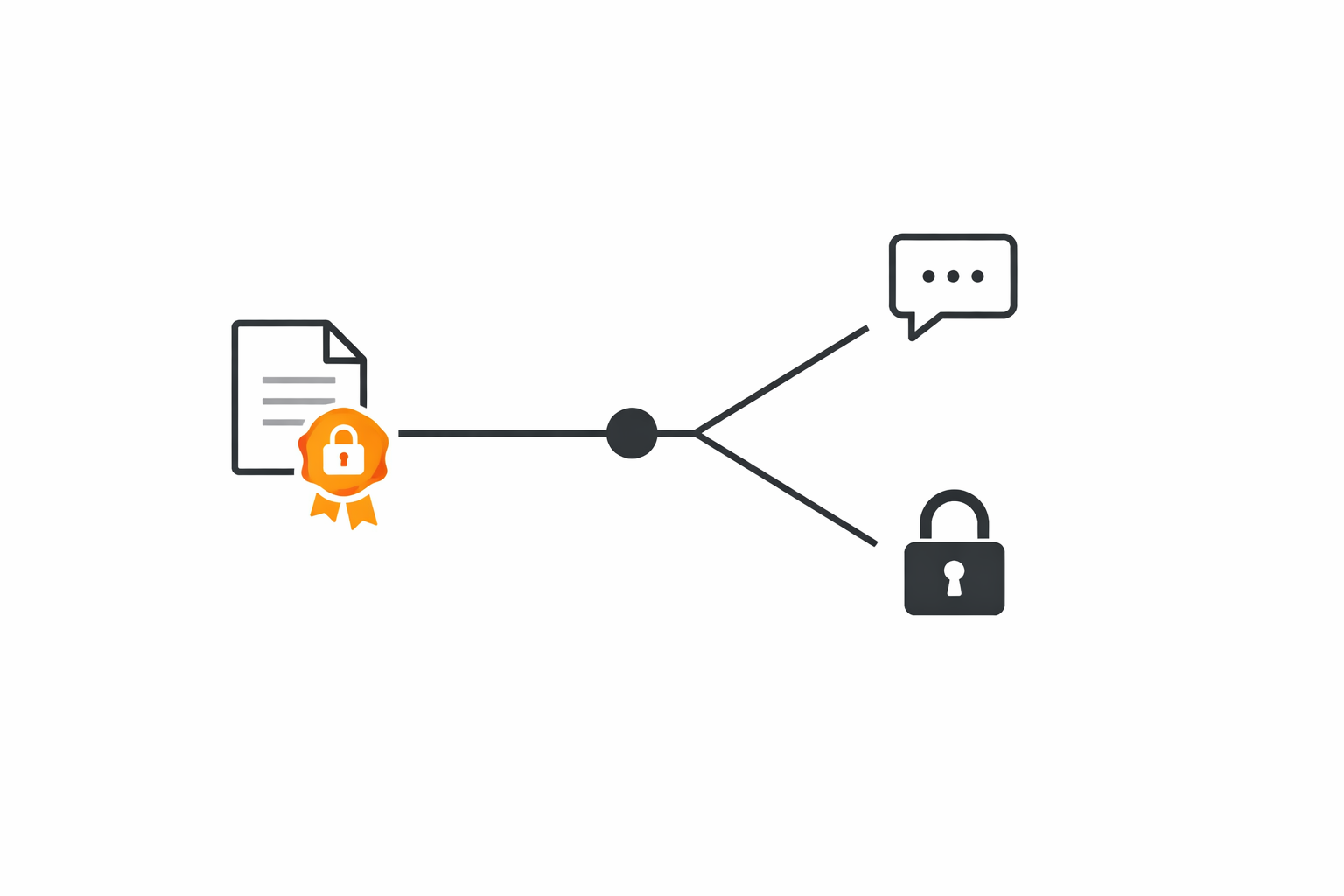
SOURCE 0 - THE ARTICLE 50 DISCLOSURE GAP
From 2 August 2026, Article 50 requires disclosure that a person is interacting with an AI system. This deadline is unaffected by the Digital Omnibus deferral of Articles 9-15. SOURCE 0 seals the disclosure configuration before the interactions it governs.

SOURCE 0 - THREE LEVELS OF DIGITAL EVIDENCE, AND WHY MOST ARCHITECTURES STOP AT THE SECOND
Digital evidence architectures fall into three levels — self-declared certification, third-party technical fixation, and independent judicial deposit — each answering a different question. Most current architectures stop at the second.
SOURCE 0 - VOCABULARY
A reference page mapping plain-language questions about AI compliance, timestamps, logs, and legal opposability to the corresponding term in the SOURCE 0 doctrinal vocabulary — for readers who have the question but not yet the terminology.
SOURCE 0 - THE LOG-AS-CLAIM PROBLEM
An AI system's own log of its own decision is a claim made by the party under scrutiny, not evidence independent of that party. This article sets out why self-generated records, and self-issued certification declarations, occupy a different evidentiary position than records fixed and deposited independently of the party they concern.